
Optimizing Hurricane Alert Workflows During Severe Weather
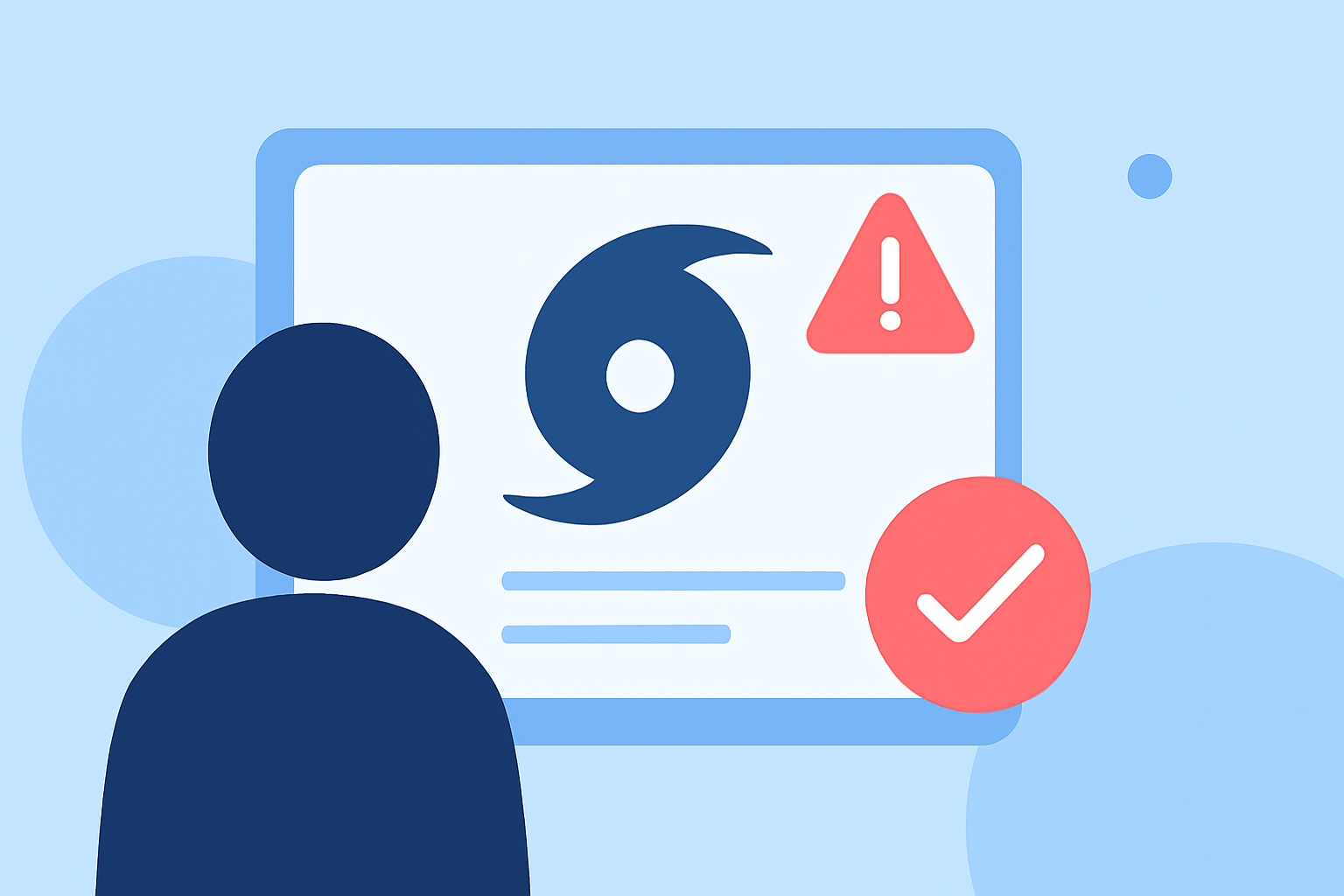
Hurricanes pose significant threats to coastal and inland areas, necessitating efficient alert systems to safeguard lives and property. An optimized hurricane alert workflow ensures timely dissemination of critical information, enabling communities to take appropriate actions.
Understanding Hurricane Alerts
The National Weather Service (NWS) issues specific alerts to inform the public about hurricane threats:
-
Hurricane Watch: Indicates that hurricane conditions are possible within 48 hours.
-
Hurricane Warning: Signifies that hurricane conditions are expected within 36 hours.
These alerts are crucial for initiating preparedness and response measures. (weather.gov)
Key Components of an Effective Alert Workflow
-
Monitoring and Detection: Continuous surveillance of weather patterns using reliable data sources is essential.
-
Alert Generation: Upon detecting a potential hurricane, the system should automatically generate alerts based on predefined criteria.
-
Dissemination: Rapid distribution of alerts through multiple channels—such as mobile apps, social media, and community networks—ensures broad reach.
-
Feedback Mechanism: Collecting and analyzing feedback helps refine the alert process for future events.
Leveraging Technology for Enhanced Alert Systems
Integrating advanced technologies can significantly improve the efficiency of hurricane alert workflows:
-
Automated Alert Systems: Tools that generate and disseminate alerts in real-time reduce manual intervention and speed up communication.
-
Geospatial Mapping: Utilizing interactive maps to display affected areas provides clear visual guidance for communities.
-
Mobile Applications: Apps that deliver push notifications and detailed information keep users informed on the go.
Best Practices for Implementing an Alert Workflow
-
Develop a Standard Operating Procedure (SOP): Establish clear protocols for each stage of the alert process to ensure consistency and effectiveness. (accuweather.com)
-
Engage Community Networks: Collaborate with local organizations to disseminate alerts and provide support during hurricanes.
-
Regular Training and Drills: Conduct periodic exercises to familiarize all stakeholders with the alert system and response actions.
Clime's Role in Enhancing Alert Workflows
Clime offers a comprehensive platform that integrates real-time weather data, interactive radar maps, and customizable alert systems. By leveraging Clime's features, communities can enhance their hurricane alert workflows, ensuring timely and effective communication during severe weather events.
Conclusion
An optimized hurricane alert workflow is vital for minimizing the impact of severe weather on communities. By understanding the components of effective alert systems and implementing best practices, regions can improve their preparedness and response capabilities.