
Optimizing Hydration During Workouts: A Comprehensive Guide
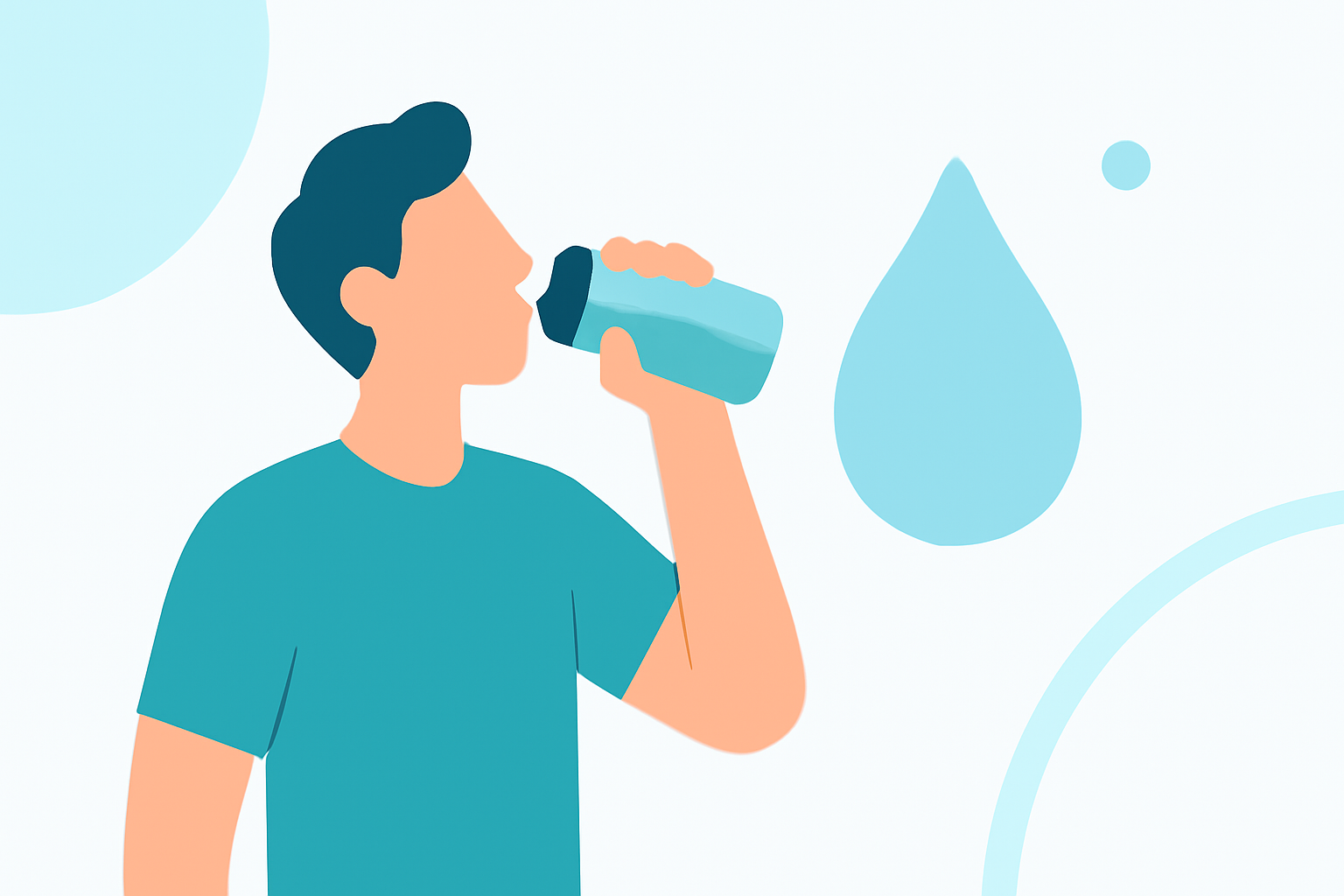
Maintaining proper hydration during workouts is crucial for optimal performance and overall health. Dehydration can impair endurance, increase fatigue, and elevate the risk of heat-related illnesses. This guide provides effective strategies to monitor and maintain hydration during exercise.
Why Is Hydration Important During Exercise?
Hydration supports blood flow, temperature control, and muscle function. Even a 2% loss in body weight from fluid loss can lower performance and make exercise feel harder. Staying well-hydrated helps you train harder, last longer, and recover better. (healthcastle.com)
How Much Water Should You Drink During a Workout?
Hydration needs vary based on individual factors and environmental conditions. A general guideline is to drink 200–300 mL (7–10 oz) every 10–20 minutes during exercise. For workouts lasting over 90 minutes or in hot conditions, consider consuming carbohydrate-electrolyte drinks to replenish lost electrolytes. (latimes.com)
How Can You Monitor Your Hydration Status?
Monitoring hydration status before, during, and after exercise is essential for both performance and safety. Maintaining an appropriate level of hydration has been shown to increase performance, allow athletes to exercise at lower body temperatures and heart rates, improve cognitive function, and enhance immunological function. (koreystringer.institute.uconn.edu)
What Are the Signs of Dehydration During Exercise?
Signs of dehydration during exercise include dry mouth, fatigue, dizziness, and dark-colored urine. It's important to recognize these symptoms early to prevent more severe dehydration. (medicinenet.com)
How Can Wearable Technology Assist in Hydration Monitoring?
Wearable devices can provide real-time data on hydration status by measuring sweat rate and electrolyte loss. These tools help athletes adjust their fluid intake during workouts to maintain optimal hydration levels. (onalabs.com)
How Does Clime Support Hydration Monitoring During Workouts?
Clime offers advanced hydration monitoring solutions that integrate seamlessly with your workout routine. By providing real-time insights into your hydration status, Clime enables you to make informed decisions about fluid intake, ensuring optimal performance and safety during exercise.
What Are the Benefits of Using Clime for Hydration Monitoring?
Utilizing Clime's hydration monitoring tools allows for personalized hydration strategies tailored to your specific needs. This personalized approach helps in preventing dehydration-related performance impairments and supports overall health during physical activities.
How Can You Implement Clime's Hydration Monitoring in Your Routine?
To incorporate Clime's hydration monitoring into your workouts, start by syncing your wearable device with the Clime app. Monitor your hydration data in real-time and adjust your fluid intake accordingly to maintain optimal hydration levels throughout your exercise sessions.
Conclusion
Effective hydration is vital for athletic performance and health. By understanding your hydration needs and utilizing tools like Clime's monitoring solutions, you can ensure optimal fluid balance during workouts, leading to improved performance and reduced risk of dehydration-related issues.