
Optimizing Indoor Air Quality for Gardeners: Essential Filters and Practices
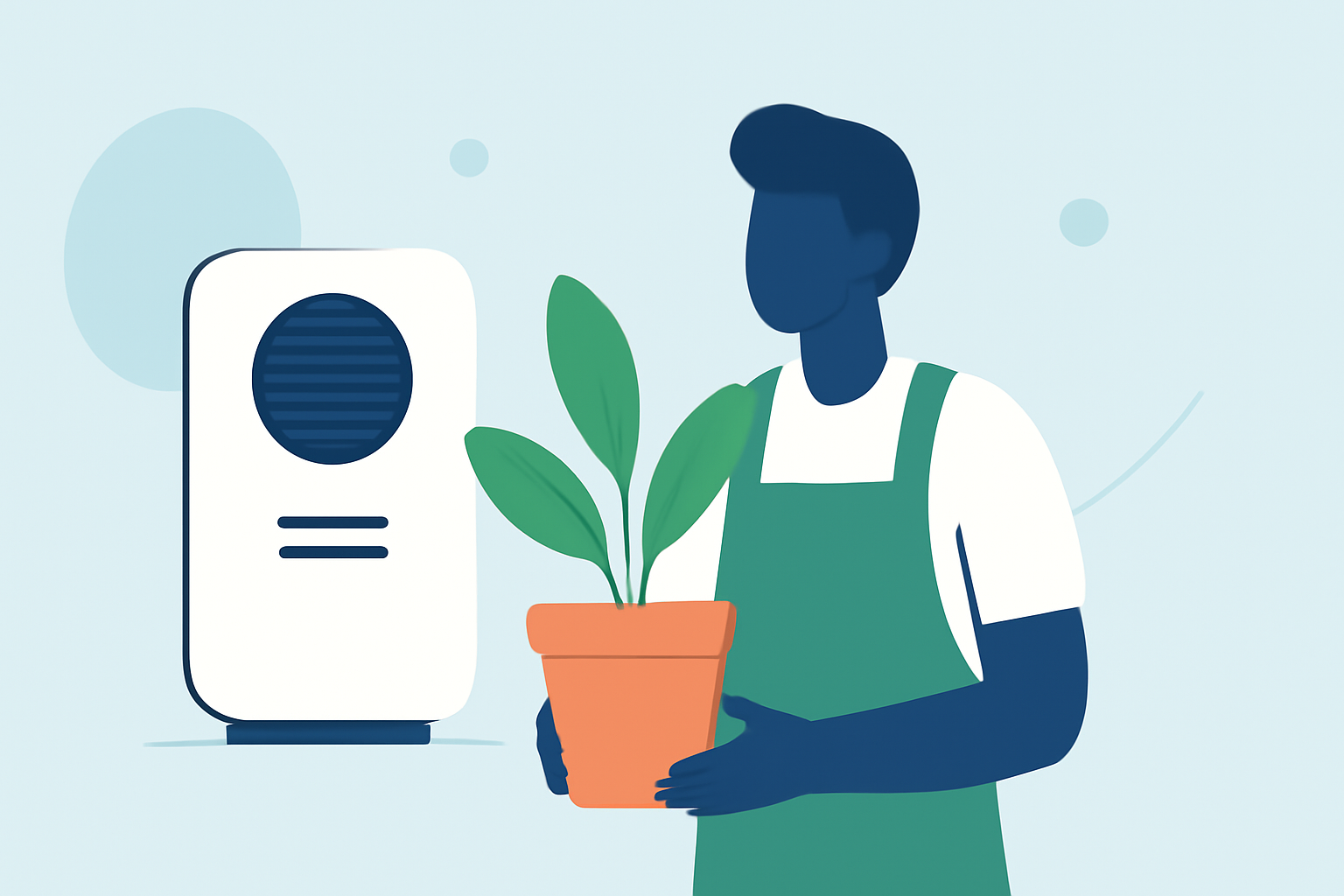
Maintaining optimal air quality is crucial for indoor gardening, as it directly influences plant health and growth. Implementing effective air filtration systems can help gardeners create a conducive environment for their plants.
Why Is Air Quality Important for Indoor Gardens?
Indoor plants are susceptible to airborne contaminants such as dust, mold spores, and volatile organic compounds (VOCs). These pollutants can hinder photosynthesis, promote disease, and stunt growth. Ensuring clean air circulation helps mitigate these issues, leading to healthier plants.
What Are the Best Air Filters for Indoor Gardening?
Selecting the right air filter is essential for maintaining a healthy indoor garden. Here are some top options:
Passive air intake in grow tent ventilation - Overgrow.com Horti-Control Dust Shroom A reusable foam HEPA filter designed to keep dust, dirt, bugs, mold, and bacteria out of indoor gardens and air-cooled reflectors. It ensures zero airflow loss and is easy to install. (bghydro.com)
Charco Plus 6'' X 24'' Activated Carbon Air Filter | 412 CFM Charco Plus Activated Carbon Air Filter Utilizes premium virgin activated carbon to capture unwanted odors and VOCs, ensuring clean air circulation. It's engineered for maximum airflow efficiency and long-lasting performance. (trimleaf.com)
UPPÅTVIND air purifier - IKEA IKEA UPPÅTVIND Air Purifier An affordable air purifier designed to reduce indoor air pollutants and allergens, featuring a high-quality filter that's easy to set up and maintain. (ikea.com)
How Do Air Filters Benefit Indoor Gardens?
Air filters play a vital role in:
-
Removing Contaminants: They capture dust, mold spores, and VOCs, preventing them from settling on plants and inhibiting growth.
-
Controlling Odors: Activated carbon filters effectively neutralize strong odors, maintaining a pleasant environment.
-
Enhancing Airflow: Proper filtration ensures consistent air circulation, which is essential for plant respiration and nutrient uptake.
How Should Gardeners Implement Air Filtration Systems?
To effectively integrate air filtration into your indoor garden:
-
Assess Your Space: Determine the size of your grow area to select a filter with appropriate capacity.
-
Choose the Right Filter: Opt for filters that address specific needs, such as HEPA filters for particulate matter or activated carbon filters for odor control.
-
Maintain Regularly: Follow manufacturer guidelines for cleaning or replacing filters to ensure optimal performance.
-
Monitor Air Quality: Use air quality sensors to track improvements and make necessary adjustments.
What Are the Benefits of Using Air Filters in Indoor Gardening?
Implementing air filters offers several advantages:
-
Improved Plant Health: Cleaner air supports better photosynthesis and growth.
-
Disease Prevention: Reduces the risk of mold and pest infestations.
-
Enhanced Air Quality: Creates a healthier environment for both plants and humans.
By selecting appropriate air filtration systems and maintaining them properly, gardeners can significantly enhance the quality of their indoor gardening environment, leading to more robust and productive plants.
Highlights:
- Top Air Filters to Improve Indoor Plant Growth | Live to Plant, Published on Tuesday, July 08