
Optimizing Indoor Air Quality with HEPA Filters: A Comprehensive Guide
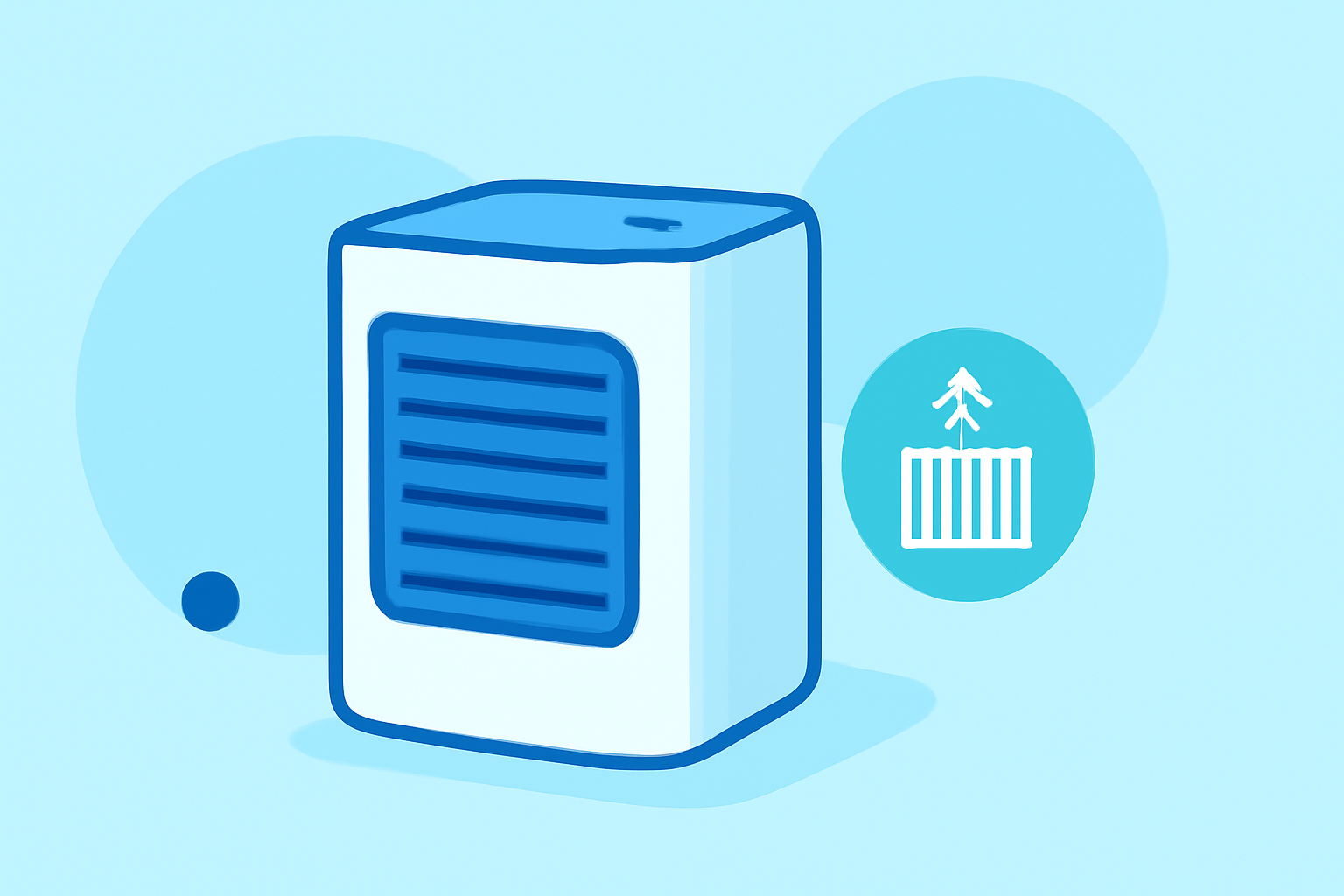
Maintaining optimal indoor air quality (IAQ) is essential for health and comfort. High-Efficiency Particulate Air (HEPA) filters play a pivotal role in this endeavor. This guide explores the significance of HEPA filters and provides a structured approach to incorporating them into your IAQ strategy.
What Are HEPA Filters and Why Are They Important?
HEPA filters are pleated mechanical air filters designed to trap airborne particles. To earn the HEPA designation, a filter must capture at least 99.97% of particles measuring 0.3 microns in diameter, known as the Most Penetrating Particle Size (MPPS). This efficiency ensures the removal of dust, pollen, mold, bacteria, and other airborne contaminants, significantly enhancing indoor air quality. (epa.gov)
How Do HEPA Filters Work?
HEPA filters operate through a combination of mechanisms:
-
Interception: Particles following air streamlines come within one radius of a fiber and adhere to it.
-
Impaction: Larger particles are unable to follow the curvatures of the air streamlines and collide with the filter fibers.
-
Diffusion: Very small particles are erratically moved by air molecules, increasing the likelihood of collision with filter fibers.
These combined actions enable HEPA filters to effectively capture a wide range of particle sizes, contributing to cleaner indoor air. (epa.gov)
How to Integrate HEPA Filters into Your Indoor Air Quality Strategy
Incorporating HEPA filters into your IAQ strategy involves several key steps:
-
Assess Your Space: Evaluate the size and layout of the area where you intend to use the HEPA filter. This assessment will guide you in selecting a filter with an appropriate Clean Air Delivery Rate (CADR) suitable for your room size. (doh.wa.gov)
-
Choose the Right Air Cleaner: Opt for portable air cleaners equipped with true HEPA filters. Ensure the device is designed to handle the specific pollutants present in your environment. (doh.wa.gov)
-
Consider Additional Features: Some air cleaners offer supplementary features like activated carbon filters to address odors and gases. Evaluate whether these features align with your specific air quality needs. (usairquality.us)
-
Placement and Maintenance: Position the air cleaner in a location that allows unobstructed airflow. Regular maintenance, including timely filter replacement, is crucial to maintain optimal performance. (doh.wa.gov)
Benefits of Using HEPA Filters
Integrating HEPA filters into your indoor environment offers several advantages:
-
Improved Health: By capturing airborne allergens and pathogens, HEPA filters can reduce the incidence of respiratory issues and allergic reactions. (cdc.gov)
-
Enhanced Comfort: Cleaner air contributes to a more comfortable living space, free from dust and odors.
-
Energy Efficiency: Modern HEPA air cleaners are designed to operate efficiently, providing high performance without excessive energy consumption.
Conclusion
Incorporating HEPA filters into your indoor air quality strategy is a proactive step toward creating a healthier and more comfortable living environment. By carefully selecting and maintaining the appropriate air cleaning devices, you can effectively address airborne pollutants and enjoy the numerous benefits of improved air quality.
Highlights:
- We spent over 800 hours testing the best air purifiers - here are our top 7, Published on Monday, June 15
- 5 things to look for in an air purifier for hay fever, Published on Saturday, May 24
- 6 questions to ask before choosing an air purifier, Published on Saturday, May 10