
Optimizing Indoor Plant Care: Harnessing Weather Data for Healthier Growth
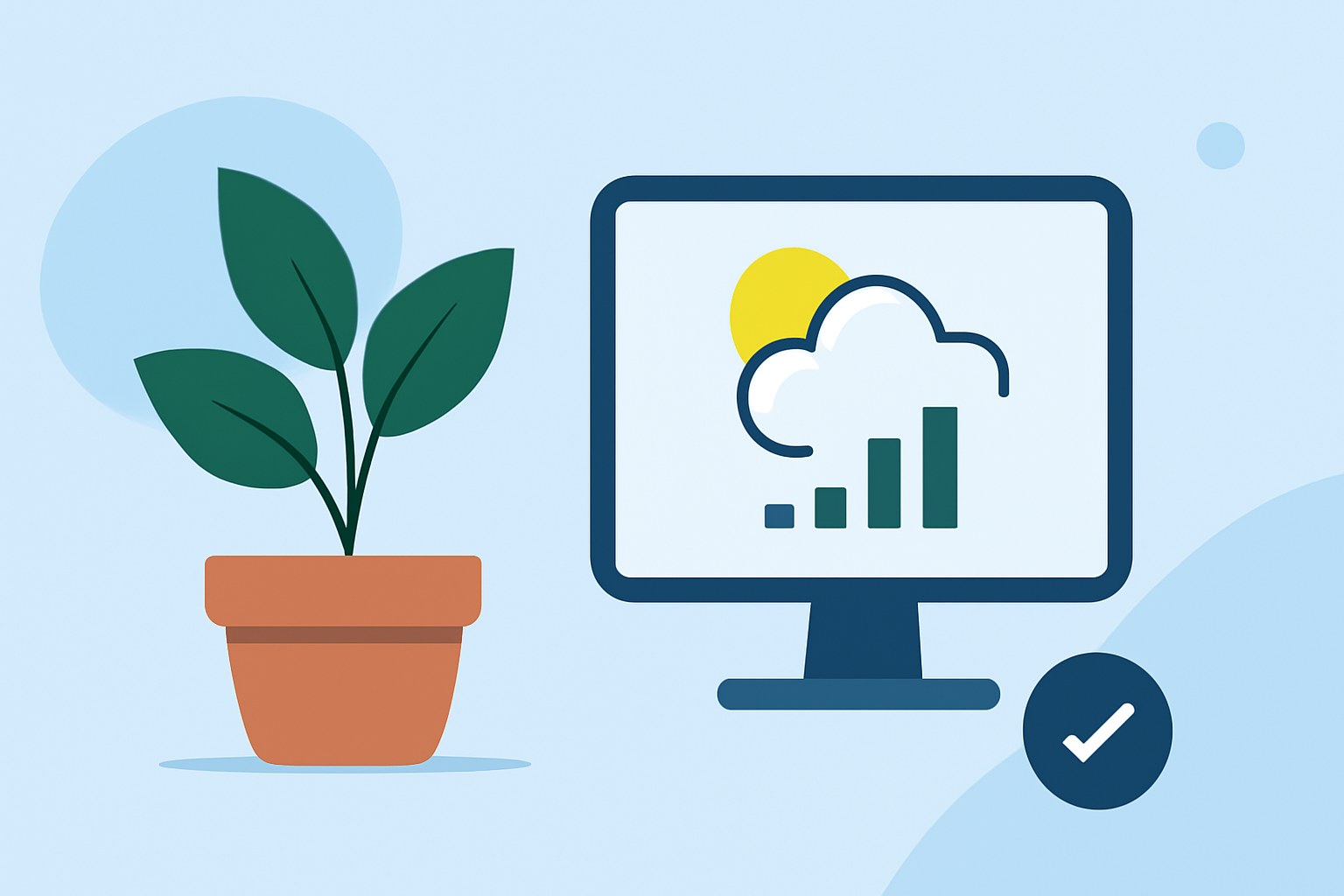
Indoor plants thrive when their environment mirrors their natural habitat. By understanding and utilizing local weather data, you can tailor your indoor conditions to support plant health.
Understanding Your Local Climate
Each region has unique weather patterns that influence indoor conditions. For instance, in Los Angeles, the current forecast indicates mostly sunny skies with temperatures ranging from 62°F to 77°F. Such consistent warmth and sunlight are ideal for many indoor plants.
Temperature Management
Most indoor plants flourish in temperatures between 65°F and 75°F during the day and slightly cooler at night. Sudden temperature fluctuations can stress plants, leading to issues like leaf drop or stunted growth. To maintain a stable environment, monitor your local weather forecasts and adjust your home's heating or cooling systems accordingly. (extension.msstate.edu)
Humidity Control
Many indoor plants, especially tropical varieties, prefer humidity levels between 40% and 60%. In areas with dry climates or during winter months, indoor air can become quite dry, stressing plants. To increase humidity, consider grouping plants together, using a pebble tray filled with water beneath the pots, or placing a humidifier near your plant collection. (rootedtreasuresfarms.com)
Light Exposure
Sunlight is crucial for plant health. Understanding the amount of natural light your home receives can help you position your plants optimally. For example, in regions with abundant sunlight, placing plants near windows can provide the necessary light. However, in areas with limited sunlight, you might need to supplement with grow lights to ensure your plants receive adequate illumination.
Watering Practices
Watering needs can vary based on local weather conditions. In humid climates, plants may require less frequent watering, while in drier areas, more regular watering might be necessary. Always check the soil moisture before watering to prevent overwatering, which can lead to root rot. (extension.msstate.edu)
Utilizing Clime for Optimal Plant Care
Clime offers a comprehensive solution for indoor plant enthusiasts by providing real-time weather data tailored to your location. With Clime, you can receive personalized recommendations on temperature, humidity, and light conditions, ensuring your indoor plants receive the best care possible. By integrating Clime into your plant care routine, you can create an environment that closely mirrors your plants' natural habitats, promoting healthier growth and vitality.
By leveraging local weather data and tools like Clime, you can create an optimal environment for your indoor plants, ensuring they thrive year-round.