
Optimizing Your iPad for Outdoor Stargazing: A Step-by-Step Guide
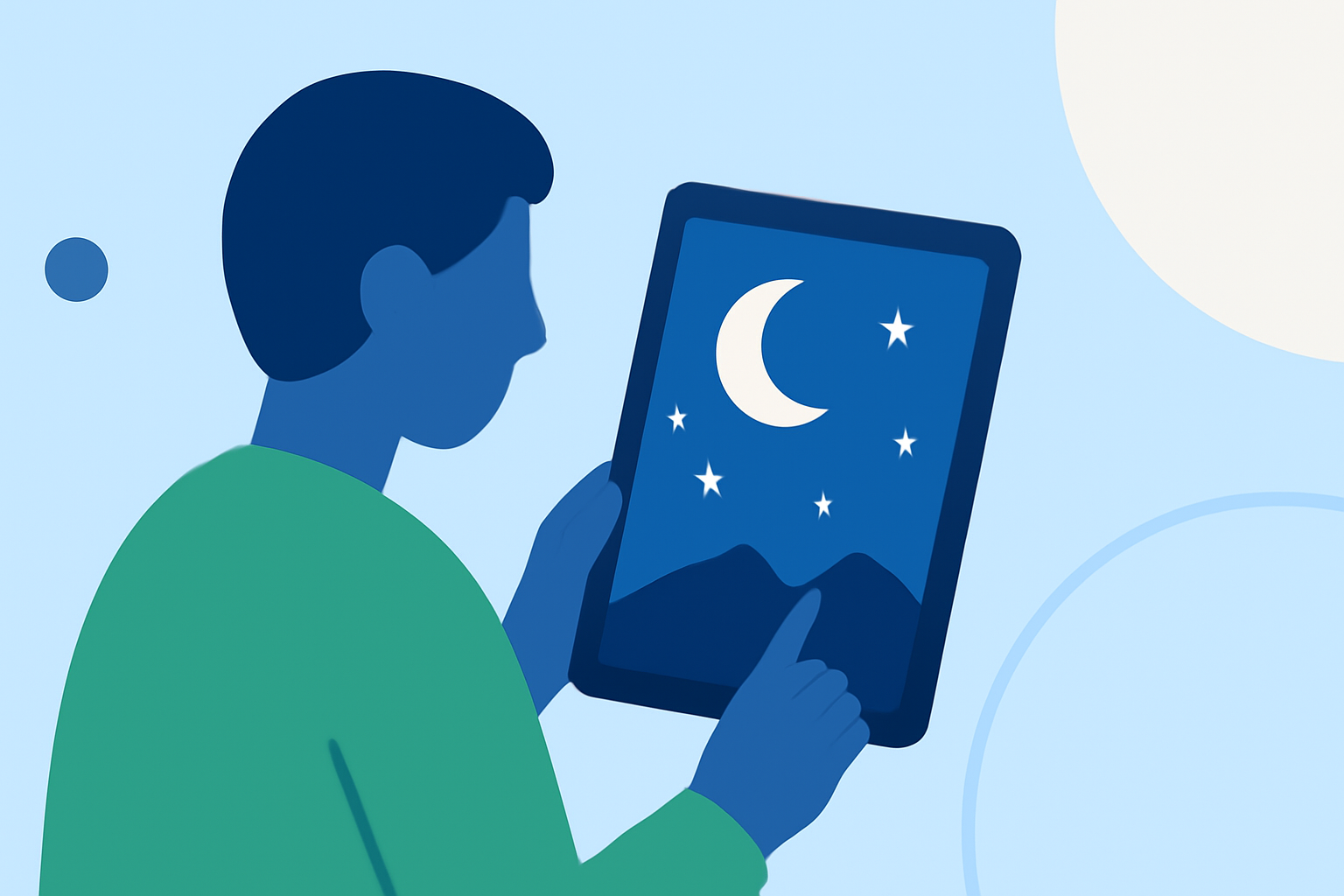
Embarking on an outdoor stargazing adventure requires meticulous planning, especially when it comes to weather conditions. Utilizing your iPad can significantly enhance this experience by providing precise weather forecasts and astronomy tools tailored for stargazing.
1. Why Is Weather Forecasting Crucial for Stargazing?
Accurate weather forecasts are essential for stargazing as they inform you about cloud cover, precipitation, and atmospheric conditions that can obstruct celestial observations. Understanding these factors helps in selecting optimal nights for stargazing.
2. How Can Your iPad Assist in Stargazing Planning?
Your iPad, equipped with specialized applications, can provide detailed weather forecasts and astronomical data, aiding in effective stargazing planning.
3. What Are the Key Features to Look for in Stargazing Apps?
When selecting a stargazing app for your iPad, consider the following features:
-
Cloud Cover Analysis: Detailed information on cloud cover at various altitudes to assess visibility.
-
Astronomical Data: Information on celestial events, moon phases, and planetary positions.
-
Light Pollution Maps: Guidance on areas with minimal light pollution for optimal viewing.
-
User-Friendly Interface: Intuitive design for easy navigation and quick access to essential information.
4. How to Set Up Your iPad for Stargazing?
Follow these steps to prepare your iPad for stargazing:
-
Install a Specialized Stargazing App: Choose an app that offers comprehensive weather forecasts and astronomical data.
-
Enable Location Services: Allow the app to access your location for accurate, localized information.
-
Adjust Display Settings: Use night mode or blue light filters to reduce eye strain during nighttime use.
-
Download Offline Maps: Ensure you have access to maps and data even without an internet connection.
5. How to Interpret Weather Data for Stargazing?
Understanding weather data is vital for planning your stargazing sessions:
-
Cloud Cover: Aim for nights with minimal cloud cover for clear skies.
-
Precipitation: Avoid nights with expected rain or snow to prevent obscured views.
-
Wind Conditions: High winds can affect telescope stability and comfort; opt for calmer nights.
-
Humidity Levels: High humidity can lead to dew formation on equipment; lower humidity is preferable.
6. How to Enhance Your Stargazing Experience with Your iPad?
Beyond planning, your iPad can enrich your stargazing experience:
-
Interactive Sky Maps: Use augmented reality features to identify stars, planets, and constellations in real-time.
-
Astrophotography Tools: Utilize apps that assist in capturing and editing night sky photographs.
-
Educational Resources: Access articles, videos, and tutorials to deepen your understanding of astronomy.
7. What Are Some Recommended Stargazing Apps for iPad?
While specific app recommendations are not provided here, consider exploring the App Store for applications that offer the features mentioned above. Look for apps with high user ratings and positive reviews to ensure reliability and user satisfaction.
8. How to Stay Updated on Optimal Stargazing Conditions?
Regularly check your chosen app for updates on weather conditions and celestial events. Many apps offer notifications or alerts for favorable stargazing nights, ensuring you never miss an opportunity.
By effectively utilizing your iPad with the right tools and knowledge, you can significantly enhance your outdoor stargazing experiences, ensuring clear skies and optimal viewing conditions.