
Optimizing Outdoor Activities During Pollen Season: A Comprehensive Guide
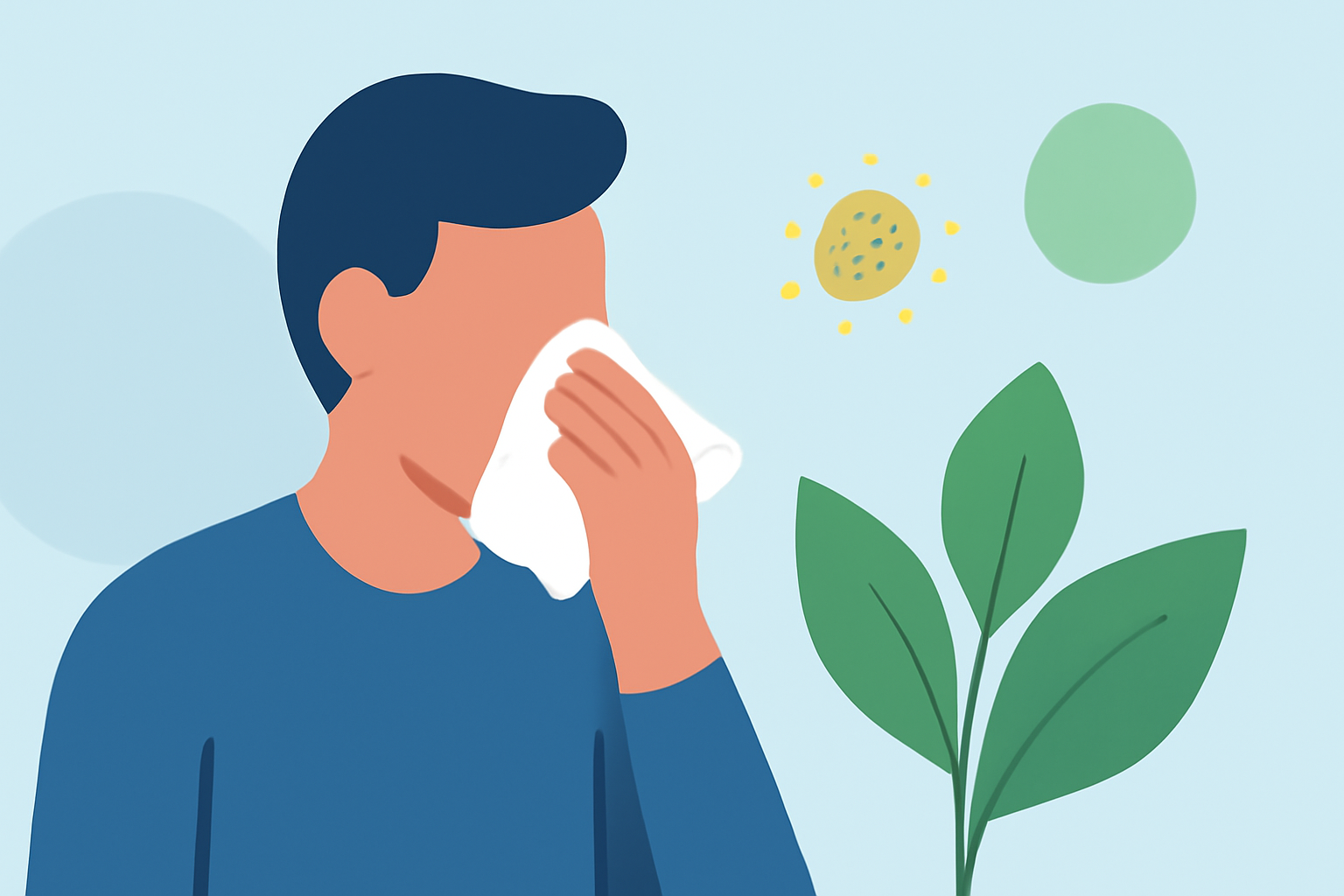
Managing outdoor activities during pollen season requires strategic planning to minimize exposure to allergens. Understanding pollen cycles, weather patterns, and utilizing advanced weather forecasting tools can significantly enhance your experience.
Understanding Pollen Cycles
Pollen levels fluctuate throughout the day and season, influenced by plant types and environmental conditions. Tree pollen typically peaks between 5 AM and 10 AM, while grass pollen is most abundant from late morning to early afternoon. Weed pollen, such as ragweed, peaks in late morning to early afternoon. Generally, pollen counts are lowest in the late afternoon and evening as temperatures cool and humidity rises. (mypollenpal.com)
Impact of Weather on Pollen Levels
Weather conditions play a crucial role in pollen distribution:
-
Rain: Rain can wash pollen out of the air, providing temporary relief. However, within 24 to 48 hours after a significant rain, plants may release a new wave of pollen, potentially leading to higher counts than before the storm. (mypollenpal.com)
-
Wind: High winds can disperse pollen over large areas, increasing exposure. On windy days, pollen counts may remain elevated throughout the day. (mypollenpal.com)
-
Humidity: High humidity can cause pollen grains to swell and rupture into smaller fragments, which can penetrate deeper into the respiratory system, potentially worsening allergy symptoms. (healthline.com)
Utilizing Clime's Advanced Weather Forecasting Tools
Clime offers advanced weather forecasting tools that integrate pollen count data with real-time weather conditions, providing a comprehensive overview of factors affecting outdoor activities. By leveraging Clime's platform, you can access detailed pollen forecasts, monitor weather patterns, and receive personalized recommendations to plan your outdoor activities effectively.
Practical Tips for Planning Outdoor Activities
-
Monitor Pollen Counts: Regularly check local pollen forecasts to stay informed about current levels and trends.
-
Choose Optimal Times: Schedule outdoor activities during periods when pollen counts are lower, typically in the late afternoon and evening.
-
Plan Around Weather Events: Be aware of upcoming weather conditions, such as rain or high winds, which can influence pollen levels and your exposure.
-
Prepare Your Environment: Keep windows and doors closed during high pollen periods, use air conditioning with clean filters, and consider using air purifiers to reduce indoor pollen levels.
Conclusion
Effectively managing outdoor activities during pollen season involves understanding pollen cycles, staying informed about weather impacts, and utilizing advanced tools like Clime's weather forecasting platform. By integrating these strategies, you can minimize allergen exposure and enjoy your outdoor experiences more comfortably.
Highlights:
- Does Rain Wash Away Pollen? What Allergy Sufferers Should Know | MyPollenPal, Published on Wednesday, April 08
- Best Time of Day to Go Outside When Pollen Is High | MyPollenPal, Published on Wednesday, April 08
- How to Prepare for Spring Allergy Season 2026: Expert Checklist | Allergy Ava, Published on Thursday, February 19