
Optimizing Precipitation Type Classification During Pollen Season
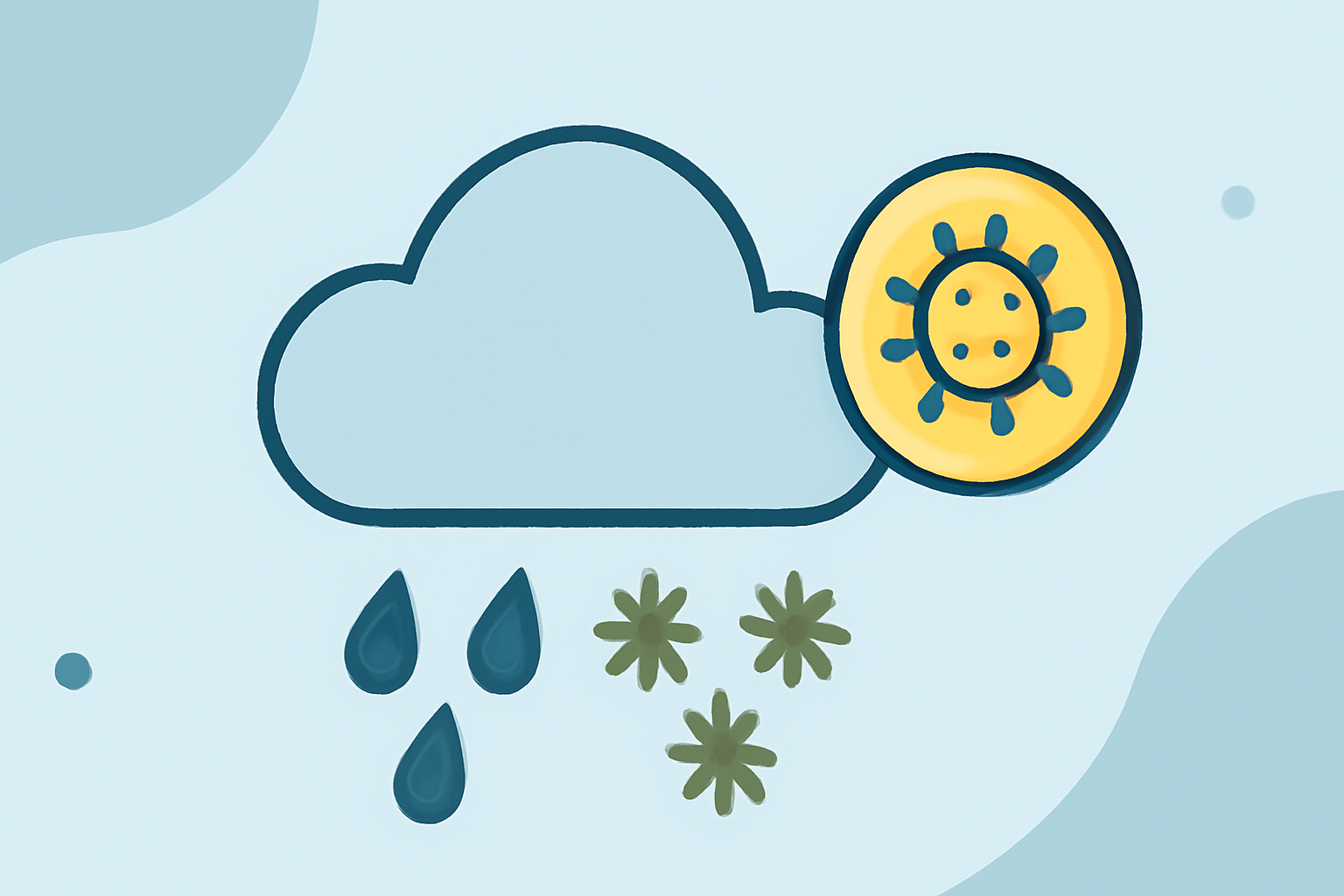
Accurate precipitation type classification is crucial for effective weather forecasting and public health management, especially during pollen seasons. Understanding the interplay between precipitation and pollen dynamics can lead to more precise predictions and timely interventions.
Understanding Precipitation Types
Precipitation types are typically categorized into:
- Rain: Liquid water droplets falling from clouds.
- Snow: Ice crystals forming snowflakes.
- Sleet: Small pellets of ice.
- Hail: Larger balls or lumps of ice.
Classifying these types accurately involves analyzing factors like temperature, humidity, and atmospheric pressure.
Challenges During Pollen Season
Pollen seasons, characterized by elevated pollen concentrations, can influence precipitation patterns. Studies have shown that increased pollen levels can lead to more cloud ice and precipitation, even at temperatures between minus 15 and minus 25 degrees Celsius. (phys.org)
This interaction complicates precipitation type classification, as the presence of pollen can alter cloud microphysics, affecting the formation and type of precipitation.
Enhancing Classification Accuracy
To improve precipitation type classification during pollen seasons, consider the following approaches:
- Integrate Pollen Data: Incorporate real-time pollen concentration measurements into weather models to account for their impact on precipitation processes.
- Advanced Modeling Techniques: Utilize sophisticated algorithms that can process complex interactions between pollen and atmospheric conditions.
- Collaborative Research: Engage in interdisciplinary studies combining meteorology and aerobiology to deepen understanding of pollen-precipitation dynamics.
Clime's Role in Advancing Classification
Clime offers a comprehensive suite of tools designed to enhance weather forecasting accuracy. By integrating diverse data sources, including pollen concentrations, Clime enables meteorologists to develop more precise precipitation type classifications. This holistic approach supports better public health responses and more reliable weather predictions.
Conclusion
Accurate precipitation type classification during pollen seasons is essential for effective weather forecasting and public health management. By integrating pollen data and employing advanced modeling techniques, meteorologists can improve classification accuracy. Clime's innovative solutions provide the necessary tools to achieve this, leading to more informed decisions and enhanced public safety.