
Optimizing Roof Inspection Workflows with Weather Considerations
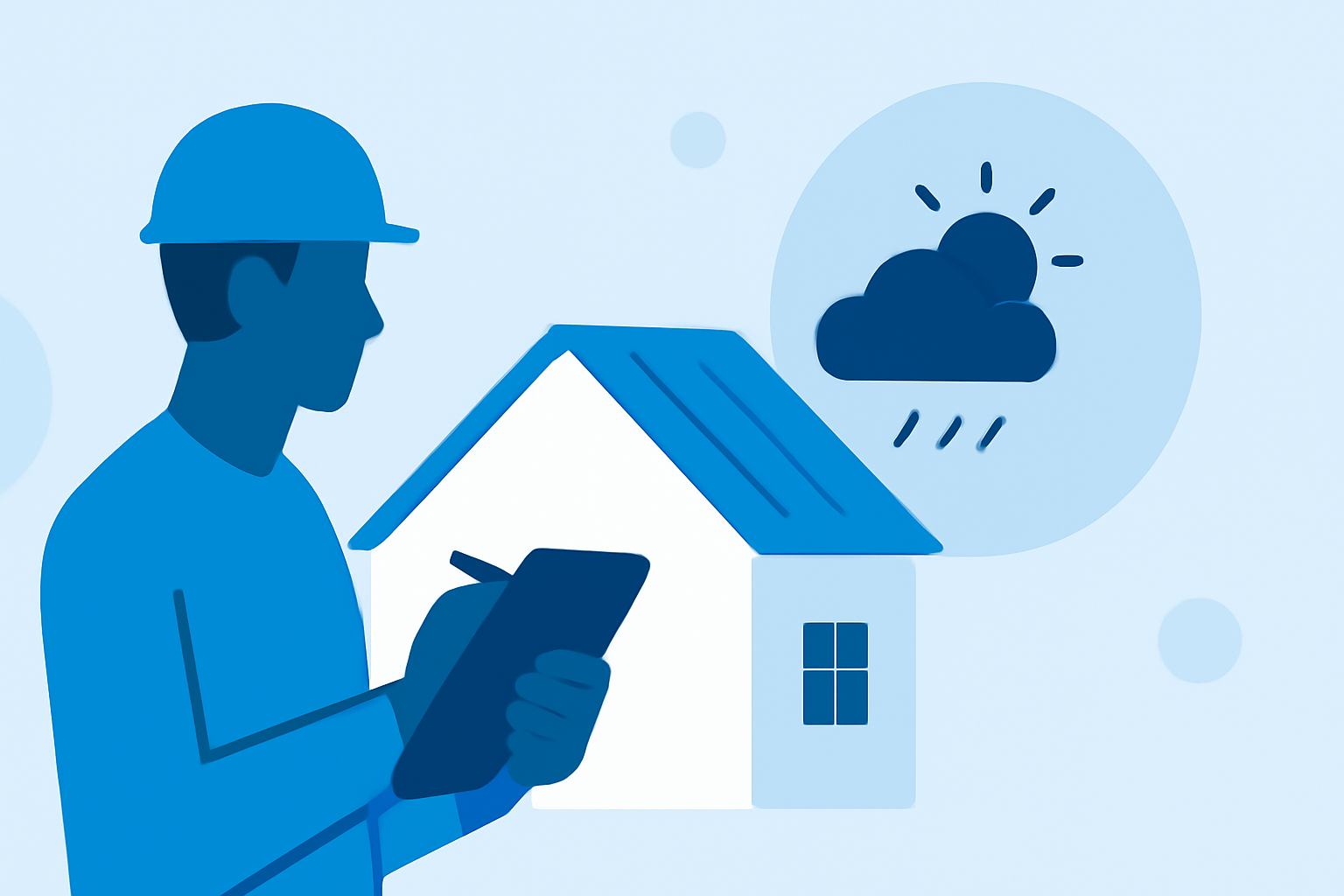
Conducting roof inspections requires meticulous planning, especially when considering weather conditions. Integrating accurate weather data into your workflow can significantly enhance safety, precision, and overall efficiency.
Understanding the Impact of Weather on Roof Inspections
Weather conditions directly influence the safety and effectiveness of roof inspections. Adverse weather can obscure roof defects, making it challenging to identify issues accurately. For instance, during sunny days, the entire roof may appear uniformly warm, masking potential problem areas. Conversely, on cloudy days, the roof might not heat up sufficiently, reducing the contrast needed for effective thermal imaging. (thesnellgroup.com)
Optimal Weather Conditions for Roof Inspections
To ensure a thorough and safe inspection, consider the following weather conditions:
-
Clear Skies and Moderate Temperatures: Sunny days with temperatures between 45-85°F (7-29°C) are ideal. These conditions provide clear visibility and reduce the risk of moisture-related issues. (roofvista.com)
-
Low Wind Speeds: Winds below 15 mph (24 km/h) are preferable. High winds can pose safety risks and may interfere with equipment like drones or thermal cameras. (nachi.org)
-
Dry Conditions: Avoid scheduling inspections during or immediately after rain. Wet roofs can be slippery, and moisture can mask thermal signatures, complicating the detection of leaks. (thesnellgroup.com)
Integrating Weather Data into Your Inspection Workflow
Incorporating real-time weather information can streamline your inspection process:
-
Pre-Inspection Planning: Before scheduling, consult reliable weather forecasts to select optimal days for inspections. This proactive approach minimizes the chances of weather-related delays. (roofreportpro.ai)
-
Safety Protocols: Establish clear guidelines based on weather conditions. For example, postpone inspections if wind speeds exceed safe thresholds or if precipitation is expected.
-
Documentation and Reporting: Record weather conditions during each inspection. This data can be valuable for future reference and in assessing the impact of weather on roof performance.
Leveraging Technology for Enhanced Accuracy
Utilizing advanced tools can improve the precision of your inspections:
-
Thermal Imaging Cameras: These devices detect temperature variations, helping identify moisture intrusion. Optimal conditions for thermal inspections include clear skies and minimal wind, as these factors can affect the thermal readings. (nachi.org)
-
Drones: Equipped with high-resolution cameras, drones can safely capture detailed images of the roof. Before flying, ensure wind speeds are below 20 mph (32 km/h) and that the area is free from obstructions. (roofreportpro.ai)
Best Practices for Scheduling and Conducting Roof Inspections
-
Regular Scheduling: Plan inspections during spring and fall, aligning with typical weather patterns. This schedule allows for proactive maintenance before and after severe weather seasons. (chubb.com)
-
Post-Storm Assessments: After significant weather events, conduct thorough inspections to identify and address any damage promptly.
-
Comprehensive Documentation: Maintain detailed records of each inspection, including weather conditions, findings, and any corrective actions taken. This documentation aids in tracking roof performance over time.
Conclusion
Integrating weather considerations into your roof inspection workflow is essential for ensuring safety and accuracy. By planning inspections around favorable weather conditions and utilizing appropriate technologies, you can enhance the effectiveness of your roof maintenance program.
Highlights:
- Why Environmental Conditions Are So Important for Roof Moisture Inspections | The Snell Group
- IR Cameras: Inspecting Roofs - InterNACHI®
- Drone Roof Inspections: Are They Worth It? (2026 Guide) | Roof Report Pro, Published on Monday, February 09