
Optimizing Running Performance: Managing Air Quality and Breathing Techniques
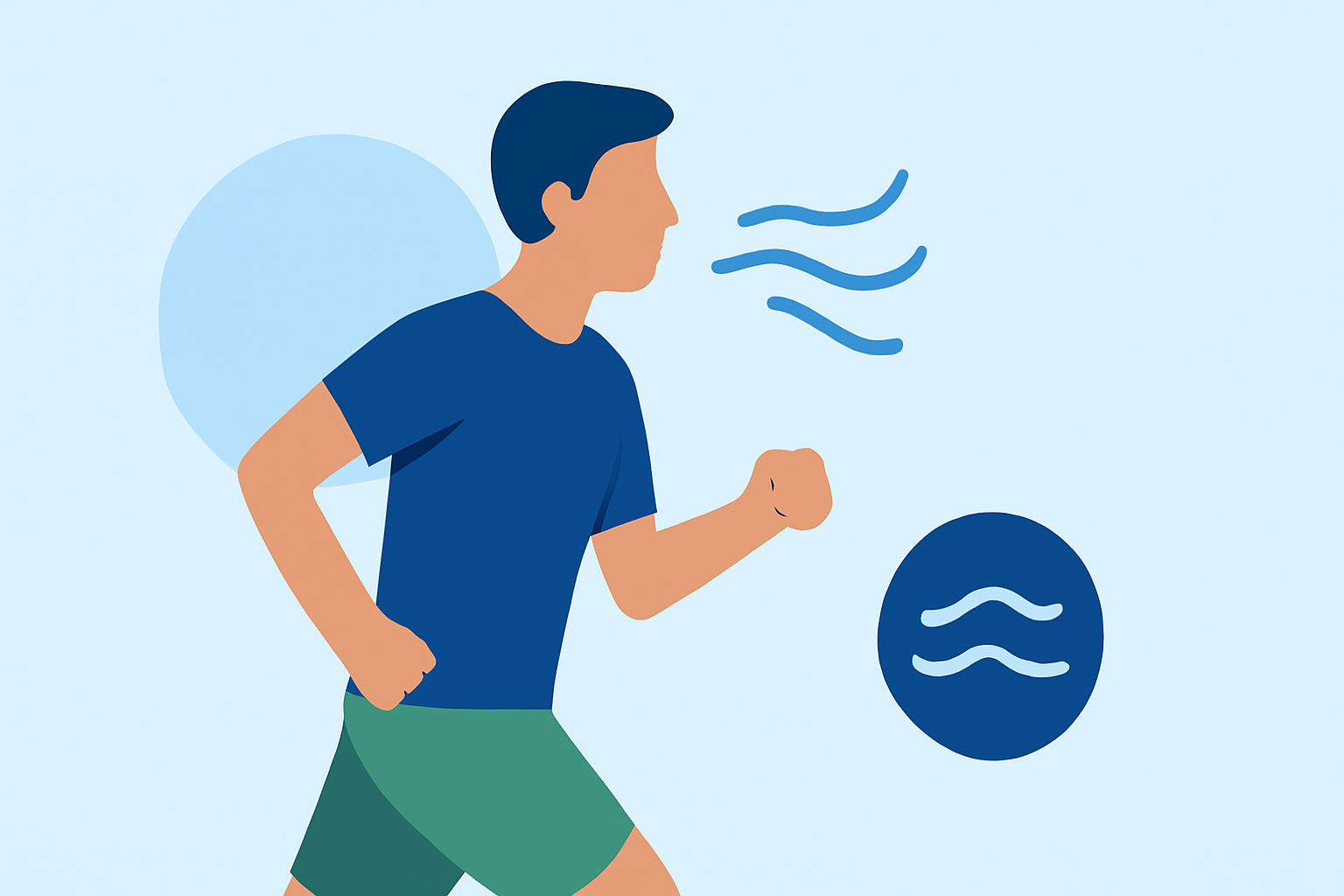
Running is a dynamic activity that demands both physical endurance and optimal environmental conditions. Among the various factors influencing performance, air quality and breathing techniques play pivotal roles. Understanding how to manage these elements can lead to more effective and enjoyable running experiences.
How Does Air Quality Affect Running Performance?
Air quality significantly impacts athletic performance. Exposure to pollutants like fine particulate matter (PM₂.₅) can hinder oxygen uptake, leading to reduced endurance and increased fatigue. Studies have shown that even modest levels of air pollution can slow marathon finishing times. For instance, an increase of just one microgram per cubic meter in PM₂.₅ levels was associated with a 32-second slower finishing time for male runners and a 25-second slower time for female runners. (scientificamerican.com)
What Are the Health Implications of Running in Poor Air Quality?
Running in areas with compromised air quality can lead to various health issues, including respiratory irritation, decreased lung function, and heightened cardiovascular strain. Long-term exposure may increase the risk of developing chronic respiratory conditions. It's essential to monitor air quality levels, especially during wildfire seasons or in urban areas with high pollution. (prperformancelab.com)
How Can I Determine the Air Quality in My Area?
To assess the air quality before heading out for a run, consult the Air Quality Index (AQI), which provides real-time data on pollution levels. Websites like AirNow.gov allow you to check the AQI by entering your zip code or city. This information helps you make informed decisions about when and where to run. (prperformancelab.com)
What AQI Levels Are Considered Safe for Running?
The AQI categorizes air quality into several levels:
- 0-50 (Good): Air quality is satisfactory, and air pollution poses little or no risk.
- 51-100 (Moderate): Air quality is acceptable; however, there may be a moderate health concern for a very small number of people sensitive to air pollution.
- 101-150 (Unhealthy for Sensitive Groups): Members of sensitive groups may experience health effects; the general public is less likely to be affected.
- 151-200 (Unhealthy): Everyone may begin to experience health effects; members of sensitive groups may experience more serious effects.
- 201-300 (Very Unhealthy): Health alert: everyone may experience more serious health effects.
- 301-500 (Hazardous): Health warning of emergency conditions; the entire population is more likely to be affected.
For optimal running conditions, aim to run when the AQI is in the "Good" to "Moderate" range. If the AQI falls into the "Unhealthy" category or higher, consider postponing your run or opting for indoor workouts. (marathonhandbook.com)
How Does Breathing Technique Influence Running Efficiency?
Proper breathing is crucial for maintaining energy levels and endurance during runs. Techniques such as diaphragmatic breathing, which involves deep belly breaths, can enhance oxygen intake and reduce fatigue. Additionally, synchronizing your breath with your stride—using patterns like the 2-2 or 3-1 method—can improve running efficiency. (rei.com)
What Are Effective Breathing Patterns for Runners?
Implementing specific breathing patterns can optimize performance:
- 2-2 Pattern: Inhale for two foot strikes, exhale for two foot strikes.
- 3-1 Pattern: Inhale for three foot strikes, exhale for one foot strike.
These patterns help regulate breathing, prevent side stitches, and maintain a steady pace. (rei.com)
How Can I Protect Myself When Running in Poor Air Quality?
To safeguard your health during runs in less-than-ideal air conditions:
- Monitor AQI Levels: Regularly check the AQI before planning your run.
- Choose Optimal Times: Run during times when air quality is better, such as early mornings or after rain.
- Opt for Indoor Workouts: Consider treadmill running or indoor cycling when outdoor air quality is poor.
- Stay Hydrated: Drink plenty of water to help your body cope with pollutants.
- Listen to Your Body: If you experience symptoms like coughing, wheezing, or dizziness, stop running and seek fresh air.
By being proactive about air quality and employing effective breathing techniques, you can enhance your running performance and overall well-being.
Highlights:
- How Bad Air Quality Slows Down Marathon Runners | Scientific American, Published on Thursday, February 27
- Running In Bad Air Quality: Safe AQI Levels + Tips, Published on Tuesday, March 17
- The Air You're Breathing Matters— Especially While Running