
Optimizing Your Sleep Environment: Managing Poor Air Quality Effectively
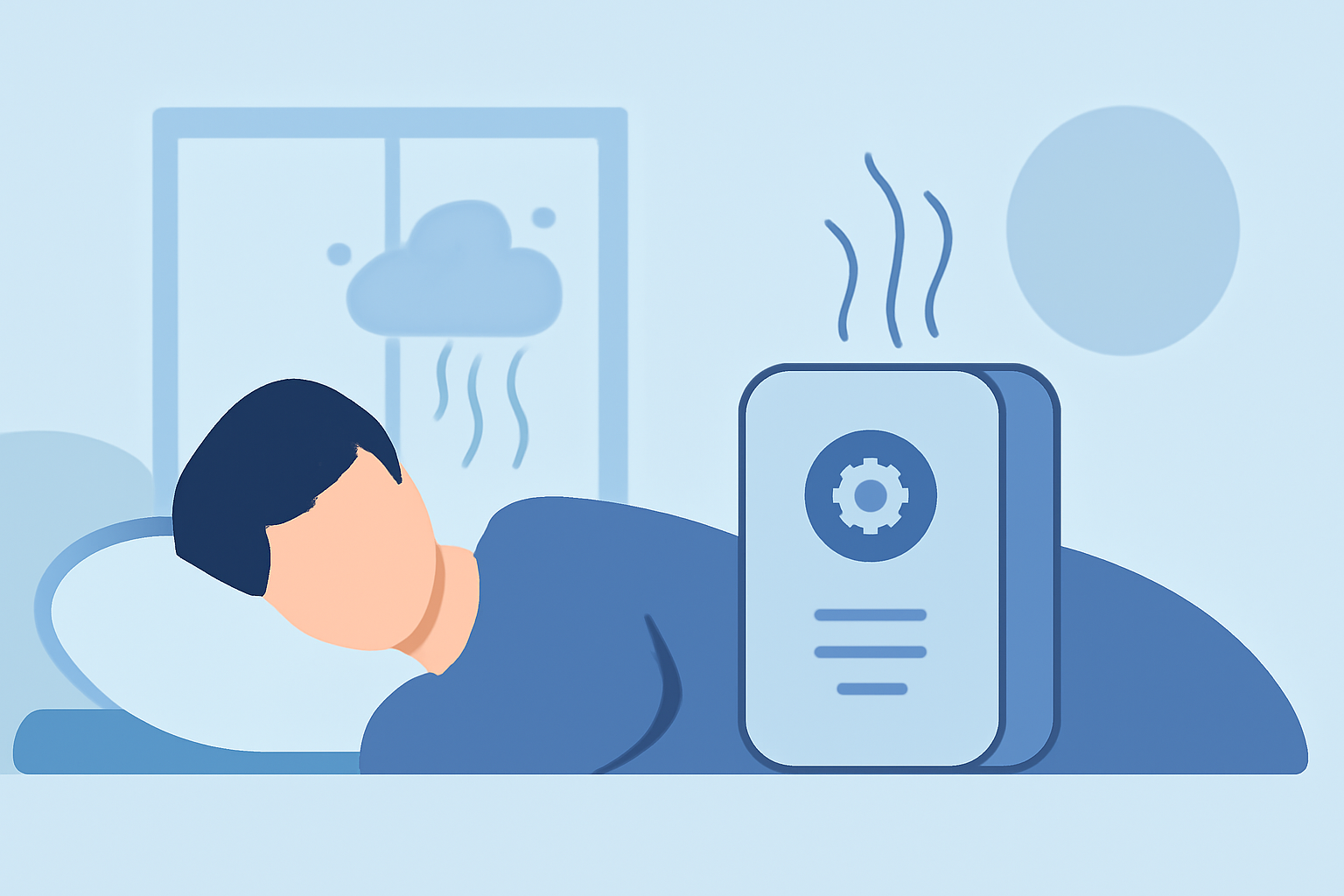
Ensuring a restful night's sleep is closely linked to the quality of the air in your bedroom. Elevated levels of carbon dioxide (CO₂) and other pollutants can disrupt sleep patterns, leading to fragmented rest and reduced overall sleep quality. This article explores effective strategies to manage poor air quality during sleep, highlighting the benefits of Clime's air quality monitoring solutions.
How Does Air Quality Affect Sleep?
During sleep, the body continues to exhale CO₂, which can accumulate in a poorly ventilated room. Elevated CO₂ levels have been associated with decreased sleep quality, including increased awakenings and reduced sleep depth. Additionally, pollutants such as dust mites, pet dander, and volatile organic compounds (VOCs) from furniture and textiles can exacerbate respiratory issues and allergies, further disrupting sleep. (blueair.com)
What Are the Signs of Poor Air Quality Impacting Sleep?
Indicators that your sleep quality may be compromised due to poor air quality include:
- Waking up with a dry mouth, sore throat, or nasal congestion.
- Experiencing nighttime coughing or wheezing.
- Frequent awakenings without clear cause.
- Difficulty falling asleep despite feeling tired.
- Waking unrefreshed after a full night's sleep.
- Allergy symptoms that worsen in the morning.
- Headaches upon waking.
- A stuffy or stale feeling in the bedroom.
If several of these apply to you, poor bedroom air quality may be a contributing factor to disrupted sleep. (usairquality.us)
How Can You Improve Bedroom Air Quality for Better Sleep?
Enhancing the air quality in your bedroom involves several practical steps:
-
Ventilate Before Bed: Open windows for 20 to 30 minutes before bedtime to allow fresh air to dilute indoor pollutants. If outdoor air quality is poor, consider ventilating during off-peak hours to minimize the intake of outdoor pollutants. (blueair.com)
-
Use Air Purifiers: Invest in a portable air cleaner equipped with a HEPA filter to remove airborne particles such as dust, pollen, and pet dander. Place the air purifier in your bedroom and operate it continuously on a low setting to maintain air quality without disrupting sleep. (doh.wa.gov)
-
Manage Humidity Levels: Maintain indoor humidity between 40-60% to prevent the growth of mold and dust mites. Use a hygrometer to monitor humidity levels and employ a dehumidifier or humidifier as needed to keep them within the optimal range. (homeairiq.com)
-
Remove Pollutant Sources: Eliminate or reduce the use of items that emit VOCs, such as scented candles, incense, and certain cleaning products. Opt for fragrance-free alternatives to minimize indoor air pollution. (blueair.com)
-
Regular Cleaning: Vacuum your bedroom weekly using a HEPA-filter vacuum cleaner to remove dust and allergens. Wash bedding weekly in hot water to eliminate dust mites and other allergens. (homeairiq.com)
How Can Clime Help Manage Bedroom Air Quality?
Clime offers advanced air quality monitoring solutions that provide real-time data on indoor air quality, including CO₂ levels, particulate matter, and VOCs. By integrating Clime's sensors into your bedroom, you can:
-
Monitor Air Quality Continuously: Receive real-time updates on air quality metrics, allowing you to make informed decisions about ventilation and air purification.
-
Automate Ventilation: Set up automated systems that adjust ventilation based on air quality readings, ensuring optimal conditions for sleep without manual intervention.
-
Track Improvements Over Time: Analyze historical data to assess the effectiveness of implemented strategies and make necessary adjustments to further enhance air quality.
By leveraging Clime's technology, you can create a healthier sleep environment, leading to more restful and restorative sleep.
Conclusion
Managing poor air quality is crucial for achieving quality sleep. Implementing strategies such as proper ventilation, using air purifiers, managing humidity, and eliminating pollutant sources can significantly improve bedroom air quality. Integrating Clime's air quality monitoring solutions provides continuous insights and automation capabilities, further enhancing your ability to maintain an optimal sleep environment.
Highlights:
- Doctor reveals why keeping your bedroom door ajar at night helps you sleep deeper and for longer, Published on Friday, January 16