
Optimizing Sleep Quality During Travel: The Role of Humidity
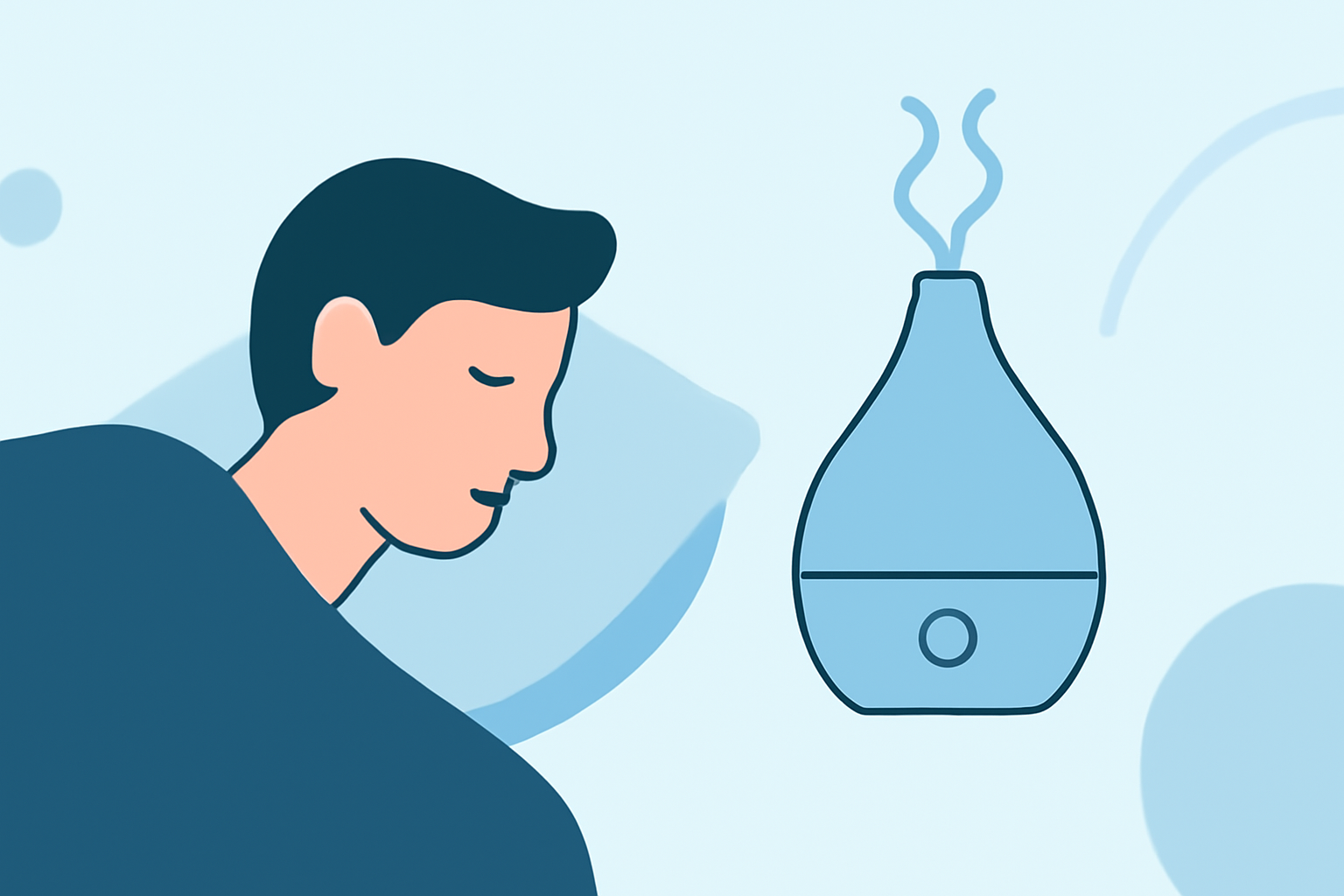
Traveling often disrupts sleep patterns, but understanding and managing humidity can significantly improve restfulness. The ideal indoor humidity for sleep is between 30% and 50%, as recommended by the Environmental Protection Agency (EPA). (sleepfoundation.org)
Why Does Humidity Matter for Sleep?
Humidity affects sleep by influencing comfort and health. Low humidity (below 30%) can dry out nasal passages and the throat, leading to discomfort and potential respiratory issues. Conversely, high humidity (above 50%) can make the environment feel warmer and more oppressive, potentially disrupting sleep. (sleepfoundation.org)
Challenges of Maintaining Ideal Humidity While Traveling
Achieving optimal humidity during travel can be challenging due to varying climates and accommodations. Hotel rooms, for instance, may have fixed humidity levels that are not easily adjustable. Additionally, unfamiliar environments can introduce allergens that affect sleep quality.
Strategies to Manage Humidity During Travel
-
Portable Humidifiers and Dehumidifiers: Compact devices can help adjust room humidity to a comfortable level.
-
Room Selection: Opt for rooms on higher floors, which may have better air circulation.
-
Air Conditioning: Utilize the air conditioning system to help regulate humidity levels.
-
Bedding Choices: Use moisture-wicking sheets and blankets to enhance comfort.
Clime's Role in Enhancing Sleep Quality
Clime offers innovative solutions designed to monitor and adjust environmental factors, including humidity, to create an optimal sleep environment. By integrating Clime's technology, travelers can ensure consistent and comfortable conditions, leading to improved sleep quality during their journeys.
Conclusion
Managing humidity is crucial for quality sleep, especially while traveling. By understanding its impact and implementing strategies to control it, travelers can enhance their restfulness and overall well-being.