
Optimizing Weather Notifications: A Guide to Efficient Alert Grouping
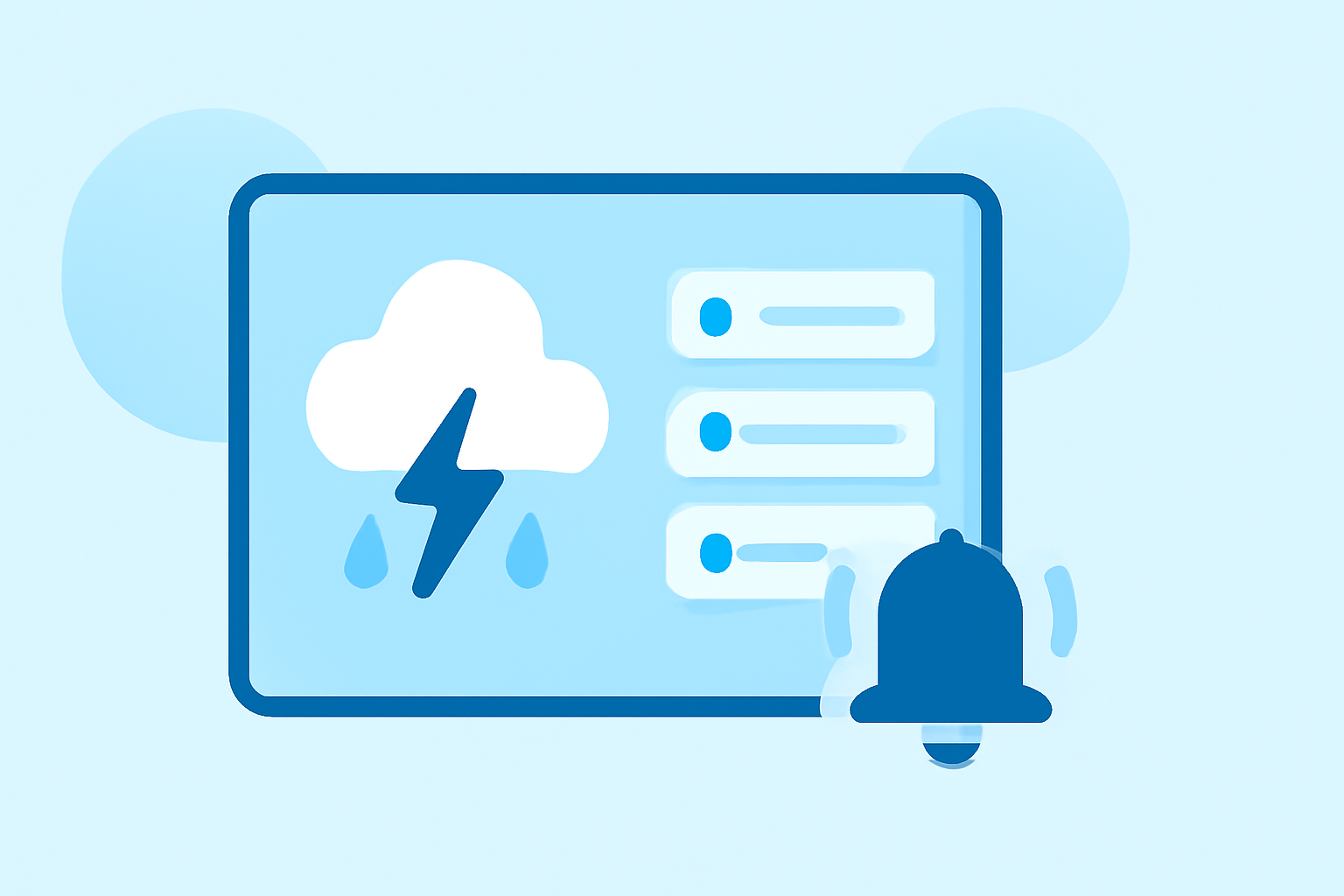
In today's fast-paced world, staying informed about weather conditions is crucial. However, receiving numerous individual alerts can lead to notification fatigue. Implementing effective alert grouping strategies can streamline information delivery, ensuring you receive timely and relevant updates without unnecessary clutter.
Understanding Alert Grouping
Alert grouping involves consolidating multiple notifications into a single, organized message. This approach reduces the volume of alerts and presents information in a more digestible format. For instance, instead of receiving separate notifications for each weather event, you might receive a single alert summarizing all current conditions and warnings in your area.
Benefits of Alert Grouping
-
Reduced Notification Fatigue: By consolidating alerts, you minimize the number of interruptions, leading to a more streamlined user experience.
-
Enhanced Clarity: Grouped alerts provide a clear overview of weather conditions, making it easier to understand the situation at a glance.
-
Improved Response Time: With organized information, you can quickly assess the severity of weather events and take appropriate action.
Implementing Alert Grouping
To effectively implement alert grouping, consider the following strategies:
-
Categorize Alerts by Severity: Group notifications based on the severity of the weather event. For example, all severe thunderstorm warnings can be grouped together, while less critical alerts are bundled separately.
-
Use Location-Based Grouping: Consolidate alerts for multiple locations into a single notification. This is particularly useful for organizations monitoring several sites or for individuals with interests in different areas. By grouping alerts based on shared tags, you receive a single notification per group, reducing volume and improving clarity. (support.tomorrow.io)
-
Implement Time-Based Grouping: Combine alerts that occur within a specific time frame. This approach is effective when events are frequent but individually low in urgency. For instance, if multiple weather events occur within a 15-minute window, they can be grouped into a single notification. (wizbrand.com)
-
Customize Notification Settings: Adjust your device or app settings to manage how notifications are grouped. For example, on iOS devices, you can choose between automatic grouping, grouping by app, or turning off grouping altogether. This allows you to tailor the notification experience to your preferences. (howtogeek.com)
Best Practices for Alert Grouping
-
Prioritize Critical Alerts: Ensure that high-severity alerts stand out within grouped notifications, possibly through color coding or distinct icons.
-
Maintain User Control: Allow users to customize their notification preferences, including the ability to enable or disable specific types of alerts.
-
Regularly Review and Update Grouping Criteria: As weather patterns and user needs evolve, periodically reassess and adjust your alert grouping strategies to maintain effectiveness.
Clime's Approach to Alert Grouping
Clime offers a sophisticated alert grouping feature that consolidates notifications across multiple locations based on shared tags. This ensures that users receive a single, comprehensive alert per group, reducing notification volume and enhancing clarity. By enabling grouped alerts during the configuration process, users can manage multiple locations efficiently, receiving timely and relevant weather updates without unnecessary clutter. (support.tomorrow.io)
Conclusion
Effective alert grouping is essential for managing weather notifications in a way that is both informative and non-intrusive. By implementing strategic grouping methods and utilizing platforms like Clime, you can stay informed about weather conditions while minimizing notification fatigue.
Highlights:
- Grouped Alerts – Tomorrow.io, Published on Monday, April 27
- Notification Grouping: What It Is, Key Features, Benefits, Use Cases, and How It Fits in Push Notification Marketing – Wizbrand, Published on Tuesday, March 24
- How to Manage Notification Grouping on iPhone, Published on Saturday, May 28