
Optimizing Workouts in Desert Climates: Essential Strategies
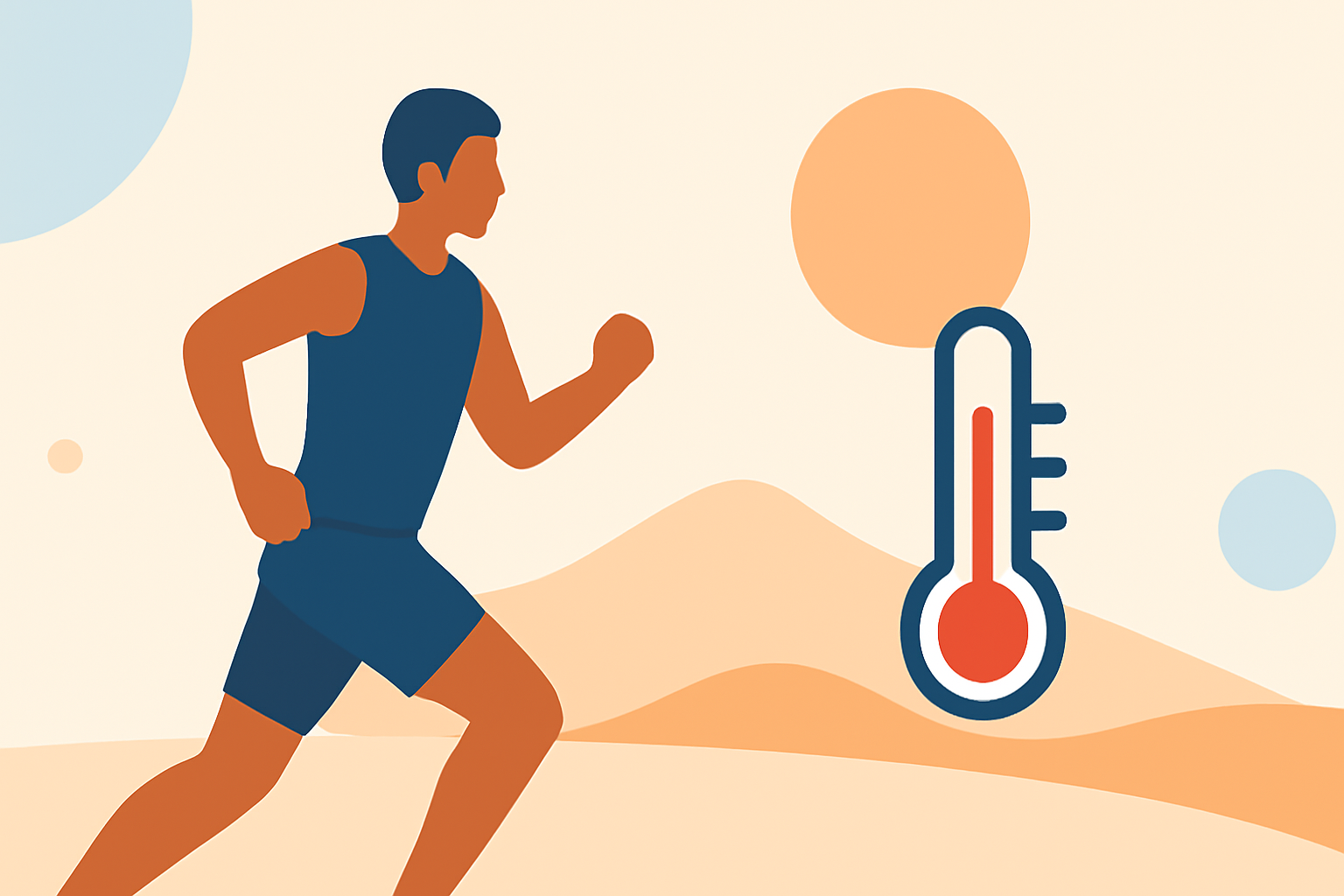
Exercising in desert climates presents unique challenges due to extreme temperatures and low humidity. To ensure safety and maintain performance, consider the following strategies:
1. How Can You Safely Hydrate During Desert Workouts?
Maintaining hydration is crucial in arid environments. It's recommended to drink more water than usual and not wait until you're thirsty to hydrate. Muscle cramping may be an early sign of heat-related illness. (cdc.gov)
2. What Are Effective Acclimatization Techniques?
Gradually increasing exposure to heat can help your body adapt. Start with shorter, less intense workouts and slowly build up over several days or weeks. This process enhances your body's ability to regulate temperature during exercise. (cdc.gov)
3. How Should You Dress for Desert Exercise?
Opt for lightweight, loose-fitting, light-colored clothing to reflect sunlight and promote air circulation. Materials like cotton or hemp are breathable and absorbent, aiding in sweat evaporation. (fusionworkplaces.com)
4. When Is the Best Time to Exercise in the Desert?
Schedule workouts during cooler parts of the day, such as early morning or late evening, to avoid peak heat. This timing reduces the risk of heat-related illnesses and enhances performance. (cdc.gov)
5. How Can You Monitor and Prevent Heat-Related Illnesses?
Be vigilant for signs of heat exhaustion, such as dizziness, nausea, or excessive sweating. If you experience these symptoms, stop exercising immediately, move to a cooler area, and hydrate. Seeking medical attention is essential if symptoms persist. (cdc.gov)
By implementing these strategies, you can safely and effectively engage in workouts within desert climates, minimizing health risks and optimizing performance.
Highlights:
- Tips for Exercising in a Desert Climate - Fusion Workplaces, Published on Thursday, June 16
- How to Exercise in Desert Weather (Summer) — Pantheon
- How to Stay Fit During the Coachella Valley Summer Heat | Fit in 42