
Outdoor Cooking During Winter Storms: Essential Tips for Beginners
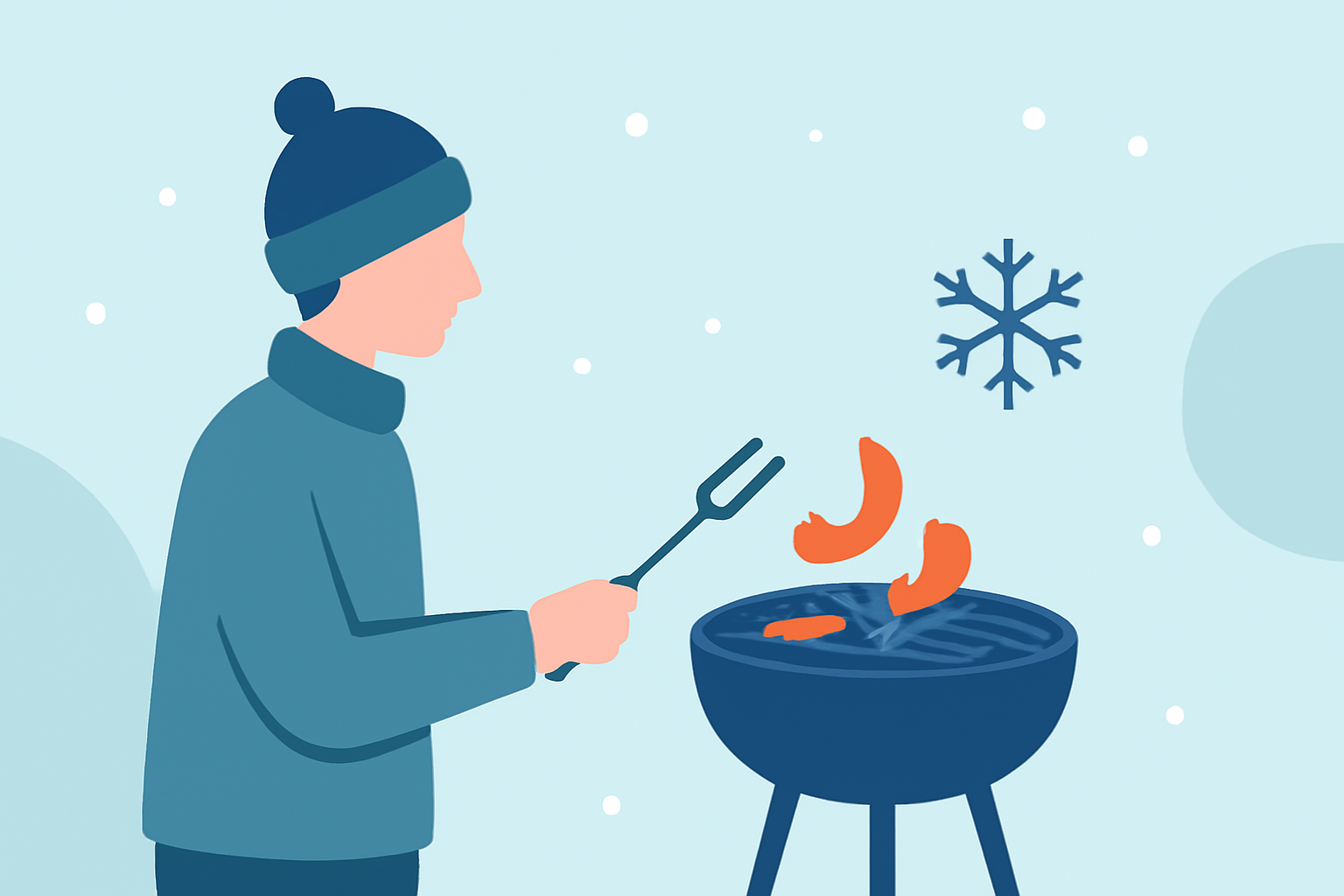
Cooking outdoors during winter storms can be both challenging and rewarding. With the right preparation and equipment, you can enjoy delicious meals even in harsh winter conditions.
Understanding Winter Storms and Their Impact on Outdoor Cooking
Winter storms bring a combination of snow, ice, and freezing temperatures, which can significantly affect outdoor cooking. These conditions can lead to equipment malfunctions, safety hazards, and challenges in maintaining consistent cooking temperatures.
Essential Equipment for Winter Outdoor Cooking
To ensure a safe and enjoyable outdoor cooking experience during winter storms, consider the following equipment:
-
Weather-Resistant Cooking Appliances: Opt for grills, smokers, or griddles designed to withstand cold and wet conditions.
-
Wind Guards: These accessories help shield your cooking equipment from strong winds, maintaining consistent heat.
-
Griddle Hoods or Basting Covers: Using a griddle hood or basting cover can help trap heat, making it easier to cook in cold weather. (griddlesizzle.com)
-
Thermometers: A reliable food thermometer ensures your meals are cooked to safe temperatures, especially when outdoor conditions are unpredictable.
Safety Precautions During Winter Outdoor Cooking
Safety should always be a priority when cooking outdoors in winter storms:
-
Clear the Cooking Area: Remove snow and ice from the cooking area to prevent slips and ensure proper ventilation.
-
Monitor Weather Conditions: Stay updated on weather forecasts to anticipate any sudden changes that could impact your cooking plans.
-
Use Appropriate Fuel: Ensure you have enough fuel for your cooking equipment, as cold temperatures can cause fuel to deplete faster.
-
Dress Appropriately: Wear several layers of loose-fitting, lightweight, warm clothing to stay comfortable and safe. (weather.gov)
Cooking Techniques and Tips
-
Preheat Gradually: Allow your cooking equipment to warm up slowly to prevent damage from rapid temperature changes.
-
Utilize Covered Cooking Methods: Using a griddle hood or basting cover can help trap heat, making it easier to cook in cold weather. (griddlesizzle.com)
-
Prepare for Longer Cooking Times: Cold temperatures can extend cooking times; plan accordingly to ensure your meals are ready when expected.
Alternative Cooking Methods During Severe Winter Conditions
In extreme winter conditions, traditional outdoor cooking may not be feasible. Consider these alternatives:
-
Indoor Cooking: Utilize your kitchen appliances to prepare meals safely indoors.
-
Portable Indoor Cooking Devices: Devices like fondue pots or chafing dishes can be used indoors as long as the fuel heating them is approved for indoor use, such as sterno. (extension.okstate.edu)
Conclusion
Cooking outdoors during winter storms requires careful planning, the right equipment, and strict adherence to safety protocols. By following these guidelines, you can enjoy the experience of outdoor cooking even in the harshest winter conditions.
Highlights:
- Winter Weather Safety0search7,turn0search13