
How to Safely Enjoy Outdoor Cooking During Severe Weather
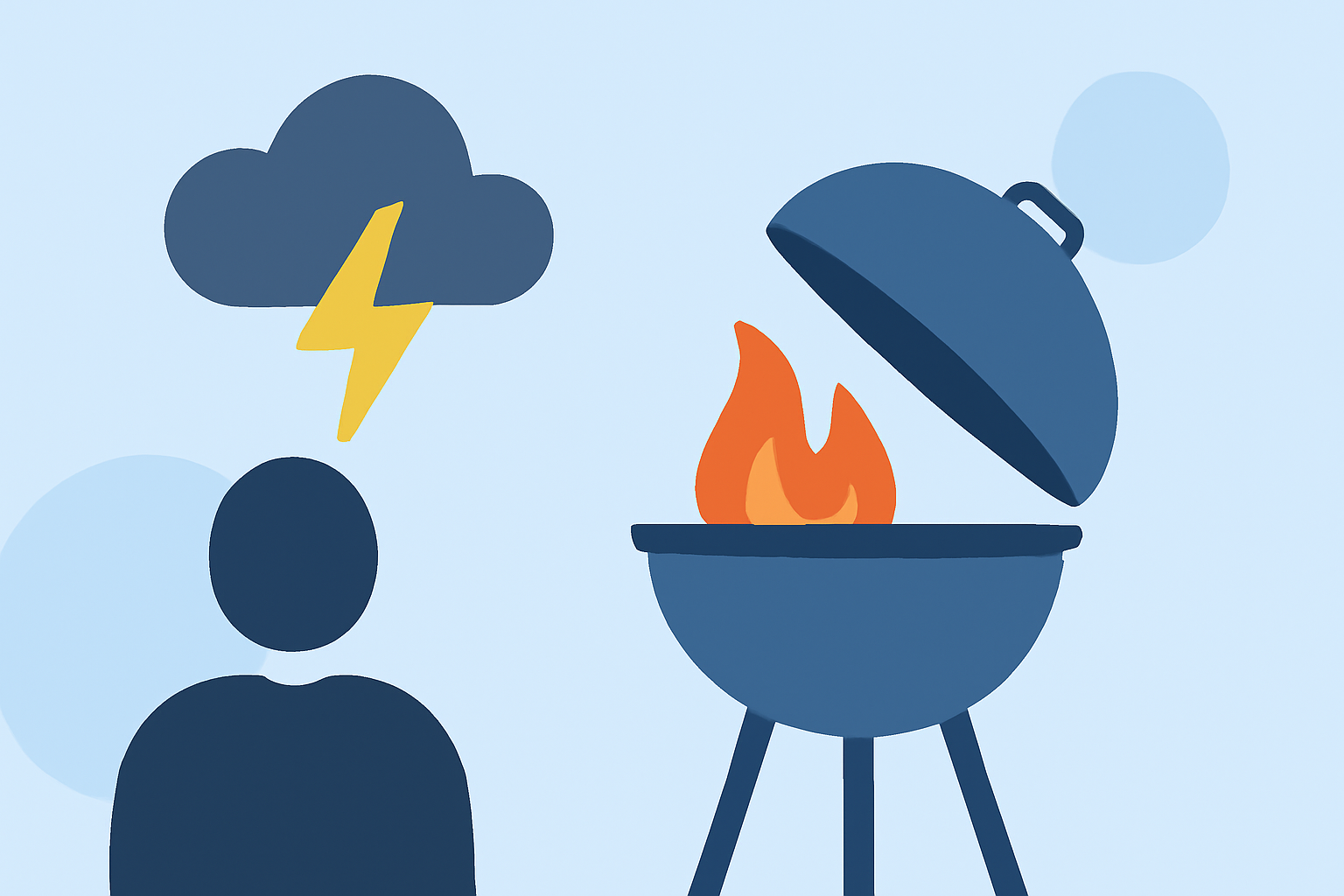
Outdoor cooking can be a delightful experience, but severe weather conditions can pose significant risks. Understanding how to plan and execute outdoor cooking safely during such times is essential. This guide provides practical tips to help you enjoy your outdoor meals while staying safe.
Understanding Severe Weather Risks
Severe weather encompasses various conditions, including thunderstorms, high winds, extreme heat, and heavy rainfall. These conditions can lead to hazards such as lightning strikes, wildfires, and flash floods. For instance, a National Weather Service advisory highlights that increasing winds and lower humidity can contribute to drying fuels, making fires escape control more easily.
Monitoring Weather Forecasts
Before planning an outdoor cooking event, always check the local weather forecast. Reliable sources include the National Weather Service and local news outlets. These platforms provide up-to-date information on weather conditions and any severe weather warnings or advisories.
Choosing the Right Equipment
Selecting appropriate equipment is crucial for safe outdoor cooking during severe weather:
-
Portable Grills: Opt for grills designed for outdoor use, ensuring they are stable and have safety features like automatic shut-off mechanisms.
-
Fire Extinguisher: Always have a fire extinguisher rated for grease fires nearby.
-
Weather-Resistant Gear: Use covers and shelters that can withstand wind and rain to protect your cooking area.
Safety Precautions
Implement the following safety measures:
-
Location: Set up your cooking area away from overhanging branches, structures, and flammable materials.
-
Supervision: Never leave the cooking area unattended, especially during severe weather.
-
Emergency Plan: Familiarize yourself with local emergency procedures and have a plan in place in case of sudden weather changes.
Alternative Cooking Methods
In cases of severe weather, consider alternative cooking methods:
-
Indoor Cooking: Utilize your kitchen or indoor appliances to prepare meals safely.
-
Canned Heat: Use canned heat products designed for indoor use to warm food.
-
Electric Grills: If safe and permitted, electric grills can be used indoors.
Conclusion
While outdoor cooking during severe weather presents challenges, with careful planning and adherence to safety guidelines, you can enjoy your meals without compromising safety. Always prioritize safety by staying informed about weather conditions and being prepared to adjust your plans accordingly.
FAQs
Q1: How can I monitor local weather conditions for outdoor cooking?
A1: Utilize reliable sources like the National Weather Service and local news outlets to stay updated on weather conditions and any severe weather warnings or advisories.
Q2: What are the key safety precautions for outdoor cooking during severe weather?
A2: Ensure your cooking area is set up away from overhanging branches and flammable materials, never leave it unattended, and have a fire extinguisher rated for grease fires nearby.
Q3: Are there alternative cooking methods during severe weather?
A3: Yes, consider indoor cooking, using canned heat products designed for indoor use, or electric grills if safe and permitted.
Q4: How do I know if it's safe to cook outdoors during severe weather?
A4: Always check the local weather forecast before planning outdoor cooking. If severe weather warnings are in effect, it's best to postpone or move your cooking plans indoors.
Q5: What should I do if severe weather occurs suddenly during outdoor cooking?
A5: Immediately cease cooking, secure all equipment, and seek shelter in a safe location. Follow local emergency procedures and stay informed through reliable sources.
(weather.gov)