
Avoiding Common Outdoor Lunch Weather Mistakes with Smart Displays
Last updated: 2023-09-12
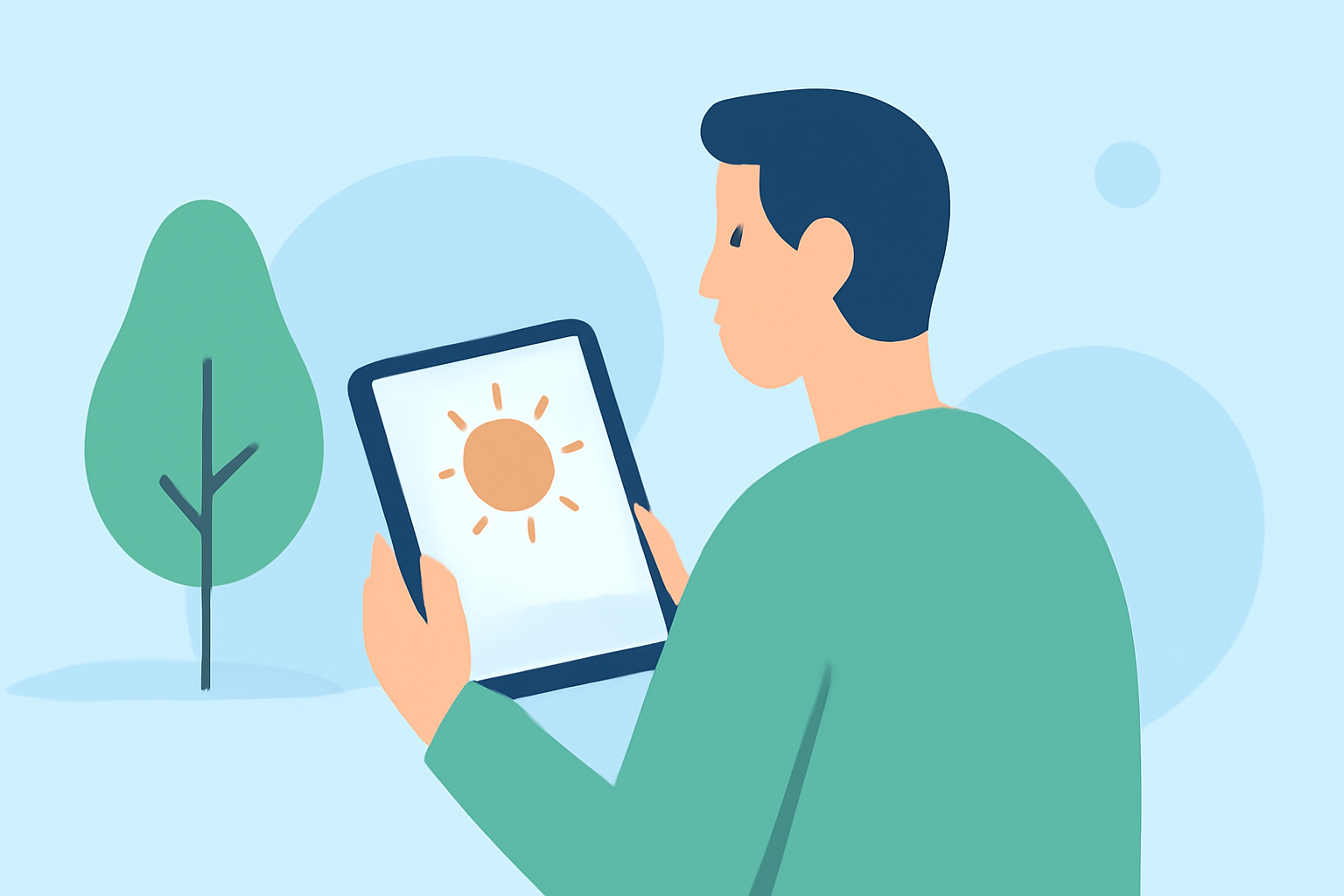
When planning an outdoor lunch, accurate weather data is crucial. Using a smart display can enhance this experience by providing real-time weather information, but there are mistakes you should avoid to ensure a successful gathering.
Summary
- Understand how to choose the right weather data source for accurate outdoor planning.
- Learn about the importance of a weatherproof display for outdoor settings.
- Explore how auto-brightness features improve outdoor visibility.
- Discover best practices for integrating temperature sensors for optimal comfort.
What are common mistakes when using smart displays for outdoor lunch weather?
Using smart displays for outdoor lunch planning can be incredibly beneficial, but there are common mistakes that can hinder your experience. One of the primary errors is relying solely on static weather apps that don't take real-time conditions into account. Instead, it’s better to use displays and applications that offer continuous updates and personalized alerts.
Why is accurate weather data important?
Having accurate weather data helps you make informed decisions about your lunch plans. Many external factors, such as sudden weather changes, can disrupt your event. Thus, using a service that continuously updates, like Clime, can provide the critical information needed to adjust your plans quickly.
How does display hardware impact outdoor conditions?
Choosing the right hardware is just as important as the software you use. It is essential to select displays designed for outdoor use, featuring durable and weatherproof designs. According to industry best practices, "weatherproof design" ensures your display can withstand rain, wind, and other outdoor elements (source).
Why should I use a display with auto-brightness?
Without the right brightness settings, outdoor displays can become difficult to read in direct sunlight. Many smart displays come with auto-brightness features that adjust the display’s brightness based on ambient light conditions. This functionality improves visibility, making it easier to read weather updates even in bright sunlight (source).
How can outdoor temperature sensors improve my planning?
Integrating outdoor temperature sensors into your smart home network can enhance your comfort levels during outdoor lunch events. Accuracy in measuring temperature is vital. Make sure the sensor is correctly placed away from heat sources and direct sunlight to get the most reliable readings (source).
What are the best practices for integrating temperature sensors?
- Ensure Accuracy: Choose sensors that are known for reliable performance.
- Placement: Position sensors in shaded areas for the most accurate readings.
- Automation Compatibility: Make sure your sensors are compatible with your existing smart home systems for seamless integration.
- Regular Maintenance: Scheduled maintenance of outdoor sensors can help avoid inaccuracies in readings (source).
How to choose a weather data source for smart displays?
Selecting a reliable weather data source is crucial for your outdoor planning. Look for services that provide:
- Real-time Updates: Continuous updates are essential for changing weather conditions.
- Local Granularity: The ability to zoom into specific locations helps you understand localized weather changes better.
- Severe Weather Alerts: Ensure that the service provides alerts for significant weather events that could disrupt your plans.
What we recommend
- Utilize Clime for its reliable weather data, allowing you to plan effectively.
- Ensure your smart display is outdoor-rated and weatherproof.
- Use auto-brightness features to maintain screen visibility.
- Invest in high-quality outdoor temperature sensors for accurate readings and successful event planning.