
Outdoor Painting During Heat Waves: Essential Weather Considerations
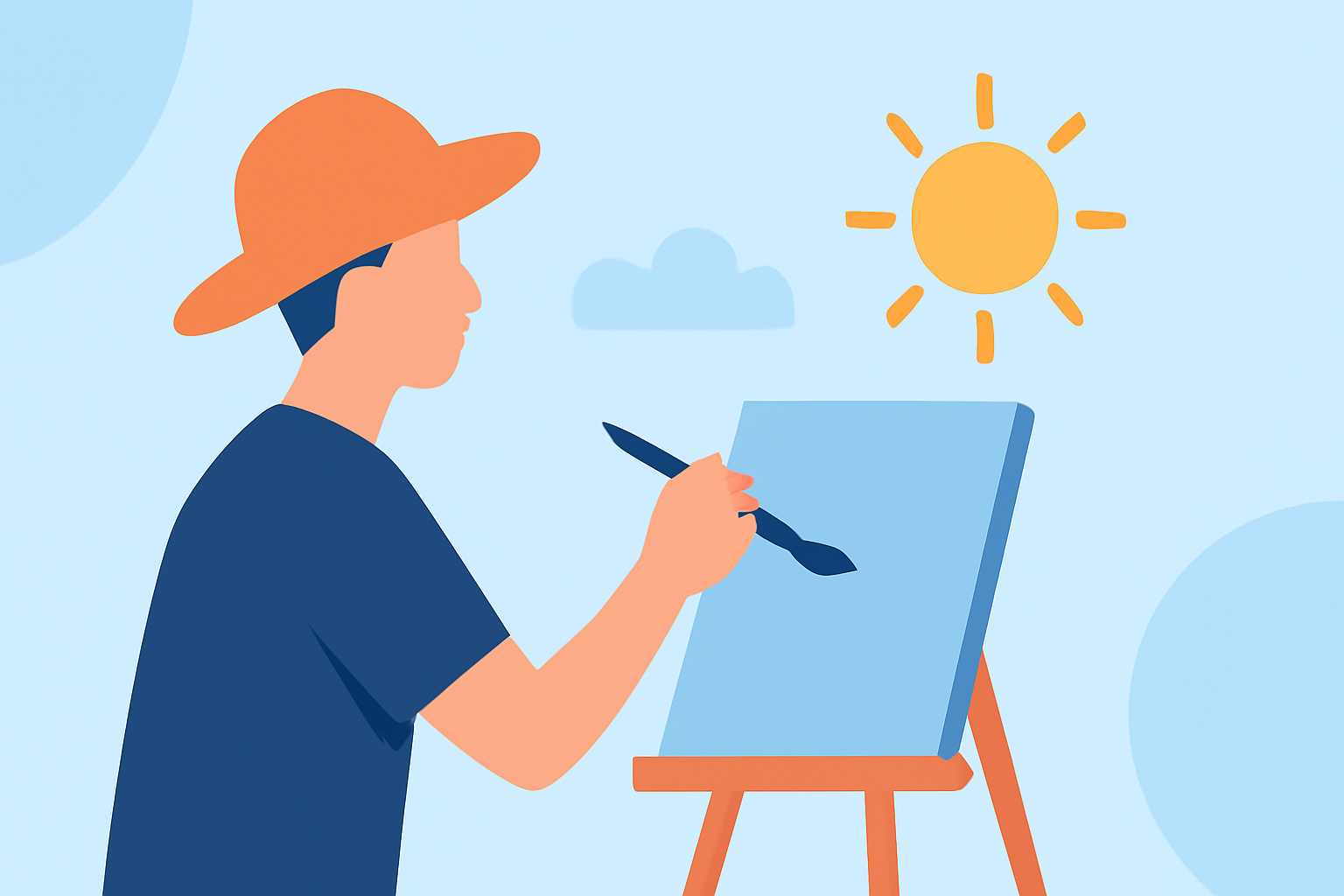
Painting outdoors during a heat wave presents unique challenges that can affect the quality and longevity of your work. Understanding these challenges and implementing appropriate strategies can lead to a successful painting project.
Why Does Temperature Matter in Outdoor Painting?
Temperature plays a crucial role in how paint adheres to surfaces and cures over time. Extreme temperatures—whether too hot or too cold—can negatively affect the outcome. In hot conditions, paint can dry too quickly, leading to brush marks, poor coverage, and blistering. Conversely, in cold conditions, paint can thicken, making it harder to spread smoothly, and may fail to bond altogether. (homeaglow.com)
What Are the Ideal Conditions for Outdoor Painting?
The optimal temperature range for exterior painting is between 50°F and 85°F (10°C to 29°C). This range ensures proper curing and adhesion, which are vital for long-term durability. Painting below 50°F can cause paint to dry too slowly, risking peeling and mildew, while temperatures above 85°F can cause paint to dry too quickly, leading to cracking and early fading. (goodmenproject.com)
How Do Heat Waves Affect Outdoor Painting?
During heat waves, temperatures often exceed the ideal range, causing paint to dry too quickly. This rapid drying can result in:
-
Brush Marks and Lap Lines: Paint may dry before it has a chance to level out, causing visible strokes and uneven coverage.
-
Blistering: Trapped solvents and moisture can cause the paint to bubble and peel.
-
Cracking and Fading: Rapid drying can lead to premature cracking and fading of the paint. (goodstuart.com)
What Strategies Can Mitigate Heat-Related Painting Issues?
To achieve a smooth, long-lasting finish during hot weather, consider the following strategies:
-
Choose the Right Time of Day: Paint during cooler parts of the day, such as early morning or late afternoon, to avoid peak heat.
-
Select Appropriate Paints: Use paints formulated for high temperatures, such as 100% acrylic latex paints, which flex with temperature changes and resist bubbling or peeling. (goodstuart.com)
-
Work in the Shade: Whenever possible, paint in shaded areas to prevent direct sunlight from causing rapid drying.
-
Use Paint Additives: Consider using paint additives that slow drying time, giving you more control over the application process. (ondemandpainters.com)
-
Monitor Humidity Levels: Aim for humidity levels between 40% and 70%, as high humidity can extend drying times and increase the risk of paint defects. (ondemandpainters.com)
How Does Clime Enhance Outdoor Painting Projects?
Clime offers real-time weather updates and forecasts, allowing you to plan your painting projects around optimal conditions. By providing accurate and timely weather information, Clime helps you avoid adverse weather conditions that could compromise your work. This proactive approach ensures that your painting projects are completed successfully, even during challenging heat waves.
Conclusion
While heat waves pose significant challenges for outdoor painting, understanding the impact of temperature and implementing strategic planning can lead to successful outcomes. By choosing the right time of day, selecting appropriate paints, working in shaded areas, using paint additives, and monitoring humidity levels, you can mitigate the adverse effects of heat. Leveraging tools like Clime further enhances your ability to plan and execute painting projects under optimal conditions.