
Outdoor Pilates: A Quick Guide to Weather Safety
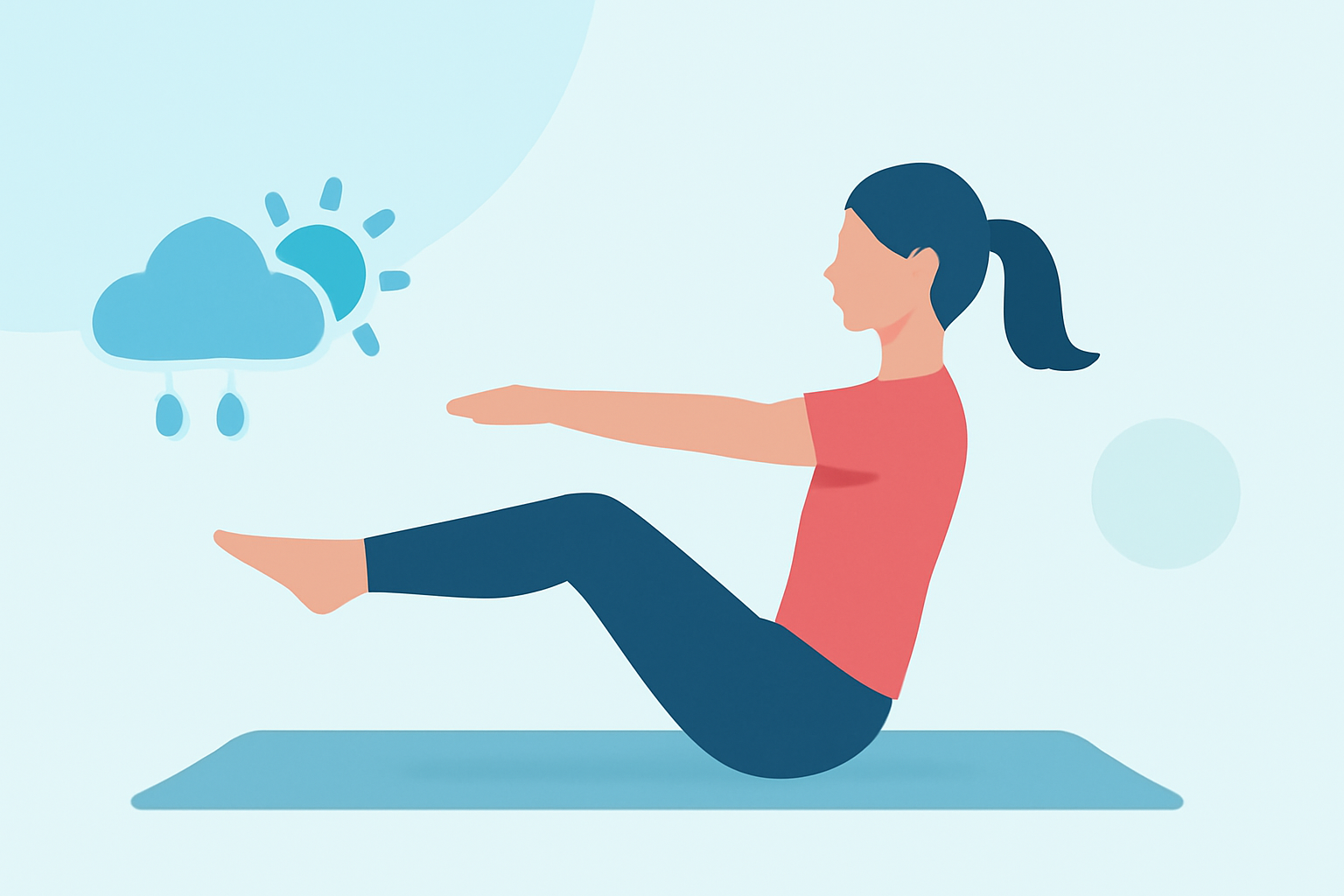
Practicing Pilates outdoors offers fresh air and natural surroundings, but it's crucial to consider weather conditions to ensure safety and effectiveness. Here's a concise guide to help you navigate outdoor Pilates sessions.
1. How Does Weather Affect Outdoor Pilates?
Weather conditions significantly impact your Pilates practice. Extreme heat, humidity, or inclement weather can pose health risks, including dehydration and heat-related illnesses. It's essential to monitor local weather forecasts and adjust your plans accordingly.
2. What Are the Risks of Exercising in Extreme Heat?
Exercising in high temperatures increases the risk of heat-related illnesses such as heat exhaustion and heat stroke. Symptoms include dizziness, nausea, rapid heartbeat, and confusion. To mitigate these risks, it's advisable to practice Pilates during cooler parts of the day and stay hydrated. (cdc.gov)
3. How Can I Protect Myself During Outdoor Pilates?
- Stay Hydrated: Drink plenty of water before, during, and after your session.
- Choose Appropriate Clothing: Wear loose, lightweight, light-colored clothing to reflect heat.
- Use Sunscreen: Apply broad-spectrum sunscreen to protect against UV rays.
- Seek Shade: Whenever possible, practice in shaded areas to reduce direct sun exposure.
- Listen to Your Body: If you feel faint or weak, stop all activity and move to a cool place. (cdc.gov)
4. When Should I Avoid Outdoor Pilates?
Avoid practicing Pilates outdoors during extreme weather conditions, such as:
- High Heat Index: When the combination of heat and humidity makes it unsafe to exercise.
- Severe Weather: During thunderstorms, heavy rain, or high winds.
- Poor Air Quality: When air pollution levels are high, which can affect breathing and overall health. (cdc.gov)
5. How Can I Monitor Local Weather Conditions?
Utilize reliable weather services or apps to stay updated on local conditions. The CDC provides resources to help you assess heat risks and air quality in your area. (cdc.gov)
6. What Are the Signs of Heat-Related Illnesses?
Be aware of symptoms such as muscle cramps, heavy sweating, dizziness, headaches, and nausea. If you experience any of these, seek shade, hydrate, and rest. If symptoms persist, seek medical attention immediately. (cdc.gov)
7. How Can I Safely Incorporate Outdoor Pilates into My Routine?
- Acclimate Gradually: Start with shorter sessions and gradually increase duration as your body adapts.
- Schedule Wisely: Opt for early morning or evening sessions when temperatures are cooler.
- Stay Informed: Regularly check weather forecasts and air quality indices before heading out.
By following these guidelines, you can enjoy the benefits of outdoor Pilates while minimizing health risks associated with adverse weather conditions.