
Outdoor Reading During Winter Storms: Essential Safety Measures
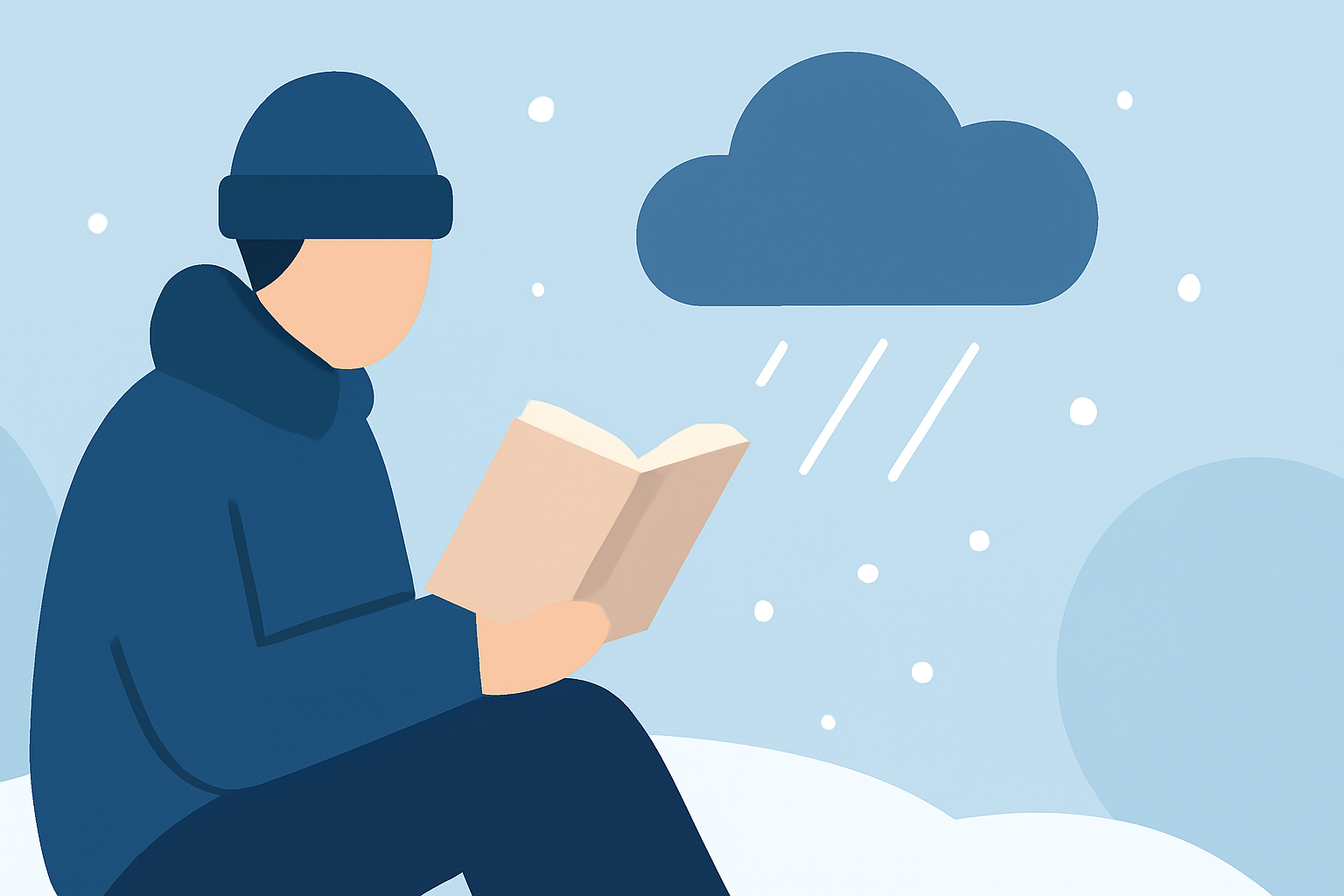
Engaging in outdoor reading during winter storms can be both enjoyable and challenging. To ensure safety and comfort, consider the following guidelines:
1. Why Should I Avoid Outdoor Reading During Winter Storms?
Winter storms bring hazardous conditions such as heavy snow, ice, and strong winds, which can lead to reduced visibility, slippery surfaces, and dangerously low temperatures. These factors increase the risk of accidents and health issues like hypothermia and frostbite. Therefore, it's advisable to limit outdoor activities during such conditions. (cdc.gov)
2. What Precautions Should I Take if I Decide to Read Outdoors During a Winter Storm?
If you choose to read outdoors during a winter storm, prioritize safety by following these steps:
-
Limit Exposure: Keep outdoor time to a minimum to reduce the risk of cold-related health problems. (cdc.gov)
-
Dress Appropriately: Wear several layers of loose-fitting, lightweight, warm clothing. The outer garments should be tightly woven and water repellent. Mittens are warmer than gloves, and a hat will prevent the loss of body heat. Cover your mouth with a scarf to protect your lungs. (weather.gov)
-
Choose a Safe Location: Select a sheltered spot to minimize exposure to wind and precipitation. Ensure the area is free from hazards like falling branches or ice.
-
Stay Dry: Wet clothing can chill the body quickly. Avoid getting wet by using waterproof materials and keeping reading materials dry. (cdc.gov)
-
Monitor Weather Conditions: Regularly check weather updates to be aware of changing conditions. If the weather worsens, seek shelter immediately. (cdc.gov)
3. How Can I Prepare for Outdoor Reading During Winter Storms?
Preparation is key to ensuring safety during outdoor activities in winter storms:
-
Plan Ahead: Monitor weather forecasts and plan outdoor reading sessions during periods of lighter conditions. Avoid reading outdoors when severe weather is expected. (cdc.gov)
-
Equip Yourself: Carry essential items such as a fully charged mobile phone, a portable charger, and a flashlight. These tools can assist in emergencies and help you navigate safely. (cdc.gov)
-
Inform Others: Let friends or family know your plans and expected return time. This ensures someone is aware of your whereabouts in case of unforeseen circumstances.
4. What Are the Risks of Reading Outdoors During Winter Storms?
Engaging in outdoor reading during winter storms poses several risks:
-
Hypothermia: Prolonged exposure to cold temperatures can lead to hypothermia, a dangerous drop in body temperature. Symptoms include shivering, confusion, and slurred speech. (cdc.gov)
-
Frostbite: Exposure to freezing temperatures can cause frostbite, particularly on extremities like fingers and toes. Signs include numbness, tingling, and skin discoloration. (cdc.gov)
-
Accidents: Slippery surfaces and reduced visibility increase the risk of falls and other accidents. (cdc.gov)
5. How Can I Enjoy Reading During Winter Storms Safely?
If you prefer to read during winter storms, consider these indoor alternatives:
-
Indoor Reading Spaces: Create a comfortable reading nook inside your home, away from the storm's effects.
-
Digital Reading: Use e-readers or tablets to access books and articles without leaving the warmth of your home.
-
Audiobooks: Listen to audiobooks or podcasts to enjoy literature without the need for physical reading materials.
By adhering to these guidelines, you can ensure a safer and more enjoyable reading experience during winter storms.