
Outdoor Sports and Air Quality: Essential Guidelines for Pollen Season
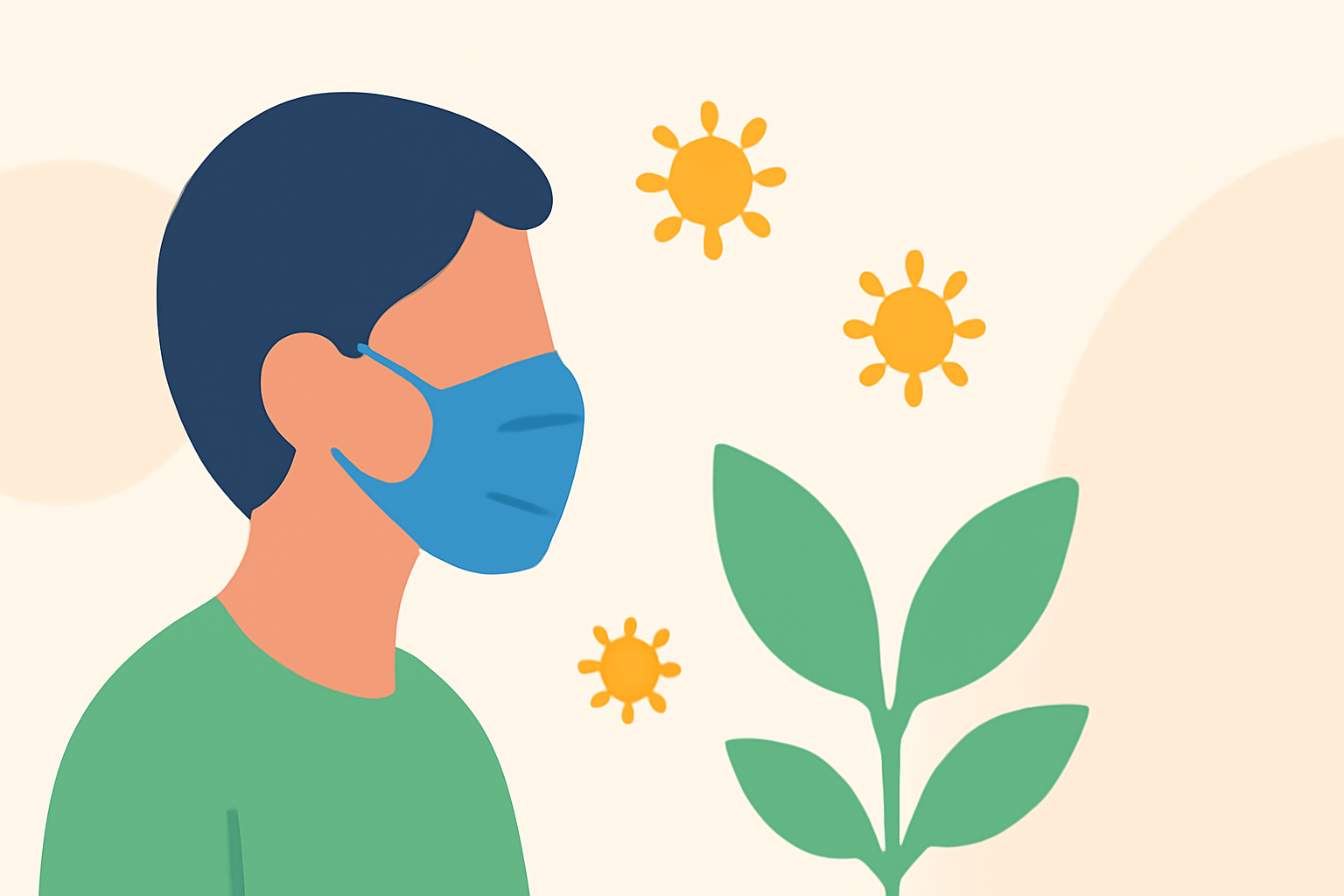
Engaging in outdoor sports during pollen season requires awareness of air quality and its effects on health. Pollen, a fine powder released by plants, peaks at different times: trees in spring, grasses in summer, and weeds in fall. (niehs.nih.gov)
Understanding Air Quality Index (AQI) Levels
The AQI measures air pollution levels, with higher values indicating greater health risks. For outdoor sports, consider the following AQI categories:
- 0-50 (Good): Ideal conditions for all outdoor activities.
- 51-100 (Moderate): Generally safe; sensitive individuals may experience mild symptoms.
- 101-150 (Unhealthy for Sensitive Groups): Sensitive individuals should reduce prolonged or heavy exertion.
- 151-200 (Unhealthy): Sensitive individuals should avoid prolonged exertion; others may begin to experience health effects.
- 201-300 (Very Unhealthy): Everyone may experience health effects; consider moving activities indoors.
- 301-500 (Hazardous): Health alert; everyone should avoid outdoor activities.
(epa.gov)
Timing Your Activities
Pollen levels fluctuate throughout the day:
- Early Morning (5-10 AM): Highest pollen counts; best to avoid outdoor sports.
- Late Morning to Afternoon: Pollen levels decrease; conditions improve for outdoor activities.
- Evening: Pollen levels remain low; suitable for outdoor sports.
(bannerhealth.com)
Weather Considerations
Weather significantly impacts pollen dispersal:
- Hot, Dry, and Windy Days: Pollen remains airborne longer, increasing exposure.
- Rainy Days: Rain helps wash pollen from the air, reducing exposure.
(bannerhealth.com)
Protective Measures
To minimize pollen exposure during outdoor sports:
- Check Pollen Forecasts: Monitor local pollen counts before planning activities.
- Choose Appropriate Times: Opt for late morning or evening for outdoor sports.
- Wear Protective Gear: Use sunglasses, hats, and consider masks to reduce inhalation.
- Shower After Activities: Remove pollen from skin and hair to prevent further exposure.
Monitoring Air Quality
Regularly check the AQI to assess air quality conditions:
- EPA Resources: The Environmental Protection Agency provides real-time AQI data and forecasts.
- Local Agencies: State and local air quality agencies offer detailed information and alerts.
(epa.gov)
Conclusion
Participating in outdoor sports during pollen season is feasible with proper planning and precautions. By understanding pollen patterns, monitoring air quality, and implementing protective strategies, athletes can enjoy their activities while minimizing health risks.