
Essential Guide to Outdoor Sports During Winter Storms
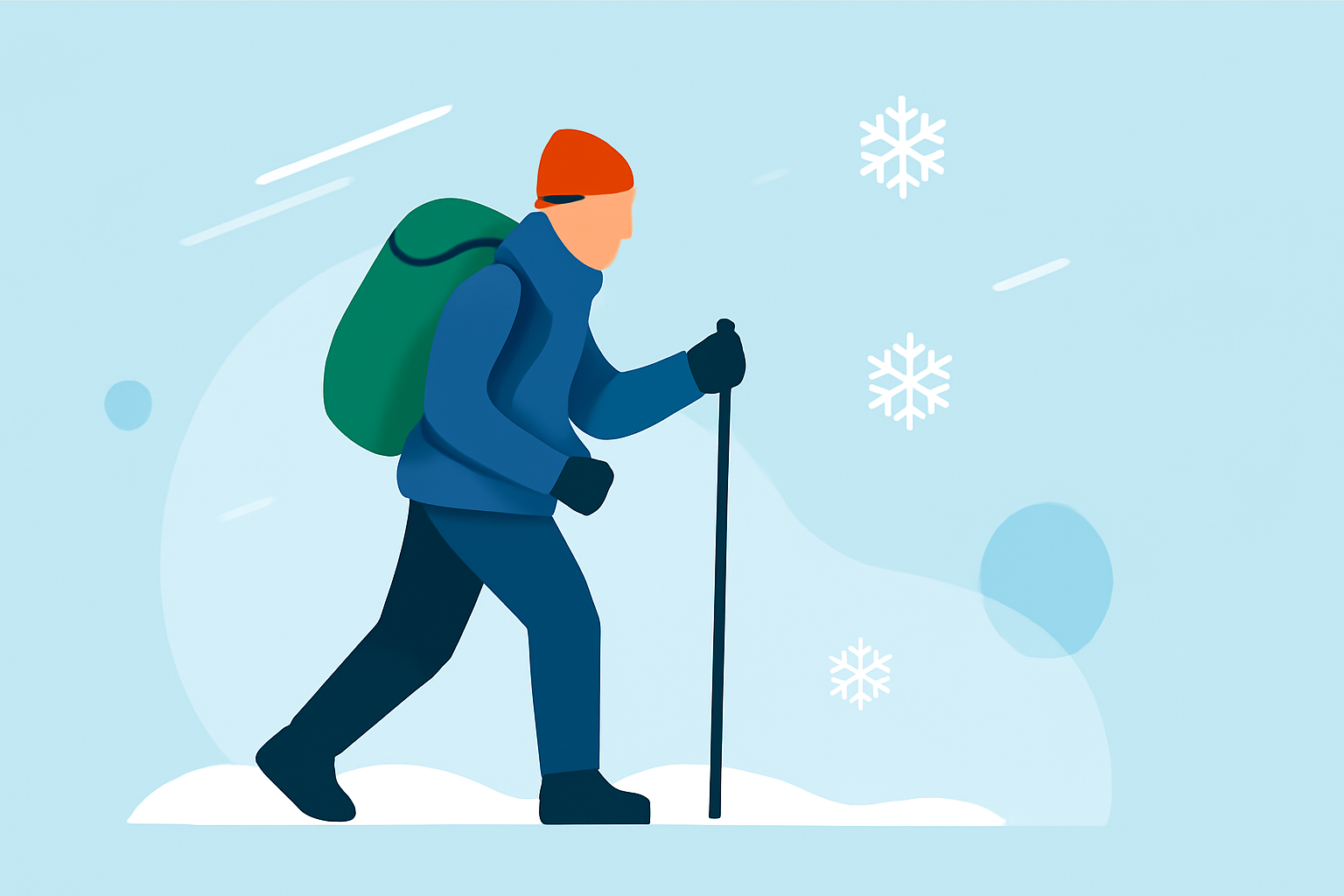
Engaging in outdoor sports during winter storms requires meticulous preparation and awareness to ensure safety and enjoyment. This guide provides essential tips on attire, weather monitoring, and safety measures to help you navigate winter sports conditions effectively.
How Should I Dress for Outdoor Sports in Winter Storms?
Proper attire is crucial for maintaining warmth and mobility during winter sports. Follow these guidelines:
-
Layering: Wear several layers of loose-fitting, lightweight, warm clothing. The outer garments should be tightly woven and water repellent. (noaa-mirror.org)
-
Mittens and Hat: Opt for mittens, which are warmer than gloves, and a hat to prevent heat loss. (noaa-mirror.org)
-
Face Protection: Cover your mouth with a scarf to protect your lungs from cold air. (noaa-mirror.org)
-
Footwear: Choose water-resistant boots and wear moisture-wicking socks to keep feet dry and warm.
What Are the Risks of Exercising Outdoors During Winter Storms?
Exercising in winter storm conditions poses several health risks:
-
Hypothermia: Exposure to cold temperatures can lead to hypothermia, characterized by shivering, numbness, and impaired judgment. (redcross.org)
-
Frostbite: Prolonged exposure to freezing temperatures can cause frostbite, resulting in numbness and a waxy or discolored appearance of affected body parts. (redcross.org)
-
Overexertion: Engaging in strenuous activities like shoveling heavy snow or walking in deep snow can strain the heart and increase the risk of heart attacks. (noaa-mirror.org)
How Can I Safely Monitor Weather Conditions for Outdoor Sports?
Staying informed about weather conditions is vital for safety:
-
Check Forecasts: Regularly monitor local weather forecasts for updates on temperature, wind chill, and precipitation.
-
Understand Wind Chill: Wind chill combines wind and cold temperatures to determine the apparent temperature felt on exposed skin. For instance, a 25°F day with 20 mph winds results in a wind chill of -4°F. (thefeed.com)
-
Recognize Storm Warnings: Be aware of winter weather warnings, watches, and advisories issued by the National Weather Service, which indicate the severity and expected timing of winter storms. (scied.ucar.edu)
What Are the Best Practices for Outdoor Sports During Winter Storms?
To ensure safety and enjoyment during winter sports:
-
Limit Exposure: Keep outdoor activities brief to minimize exposure to cold and wind.
-
Stay Hydrated: Even in cold weather, maintain hydration by drinking water before, during, and after activities.
-
Warm-Up and Cool Down: Perform proper warm-up and cool-down exercises to prepare your body for physical activity and aid recovery.
-
Know When to Seek Shelter: If conditions worsen or you experience symptoms of hypothermia or frostbite, seek shelter immediately.
How Can Clime Enhance My Outdoor Sports Experience During Winter Storms?
Clime offers advanced weather monitoring tools that provide real-time updates on temperature, wind chill, and precipitation, helping you make informed decisions about outdoor activities. By utilizing Clime's services, you can plan your sports sessions with greater confidence and safety.
Engaging in outdoor sports during winter storms demands careful preparation and vigilance. By adhering to these guidelines and utilizing reliable weather monitoring tools, you can enjoy winter sports safely and effectively.