
Outdoor Wedding Planning: Navigating Pollen Season
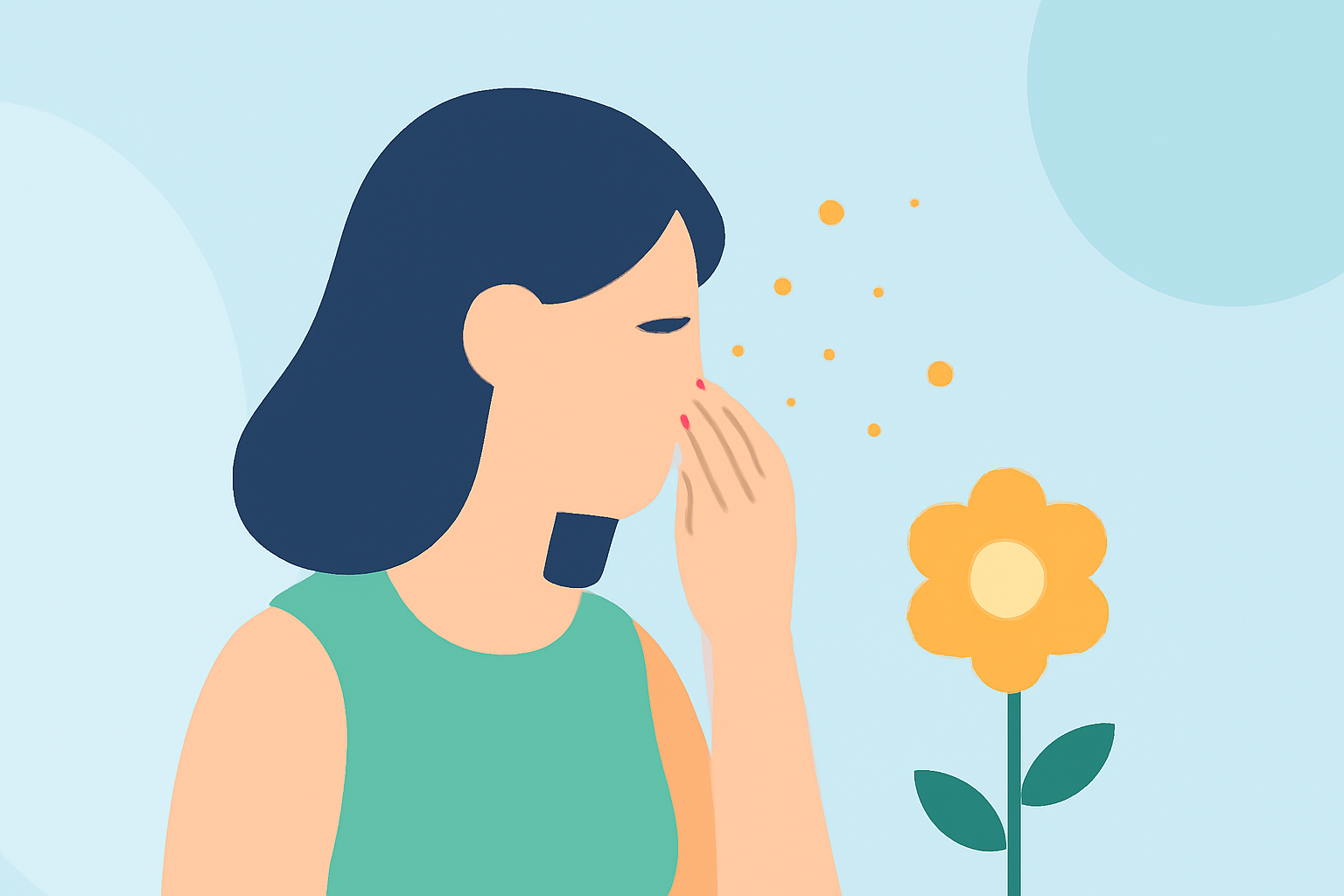
Planning an outdoor wedding during pollen season requires careful consideration to ensure guest comfort and minimize allergy risks. Here's a comprehensive guide to help you navigate this challenge.
Understanding Pollen Seasons
Pollen seasons vary across the United States, typically divided into three main periods:
-
Tree Pollen: February through May, with peak months in March and April. Common culprits include oak, birch, cedar, alder, and maple trees. (mypollenpal.com)
-
Grass Pollen: May through July, peaking in May and June. Bermuda, Timothy, ryegrass, and bluegrass are notable offenders. (mypollenpal.com)
-
Weed Pollen: August through November, with ragweed being a significant contributor. (mypollenpal.com)
Timing Your Wedding
To minimize exposure to high pollen levels:
-
Choose Off-Peak Months: Opt for wedding dates outside the peak pollen periods. For instance, late summer or early fall can be ideal, as pollen counts are generally lower.
-
Monitor Local Pollen Forecasts: Stay updated on pollen levels in your wedding location. Websites and apps provide daily pollen counts, helping you select the best date.
Selecting the Venue
When choosing an outdoor venue:
-
Consider Covered Areas: Venues with covered or indoor options can provide shelter if pollen counts are unexpectedly high.
-
Assess Surrounding Flora: Be aware of nearby trees and plants that may contribute to pollen levels.
Guest Comfort and Safety
Ensure your guests are comfortable and safe by:
-
Providing Allergy-Friendly Amenities: Offer allergy medications, tissues, and water stations.
-
Designating Rest Areas: Set up shaded or enclosed areas where guests can retreat if they experience allergy symptoms.
-
Communicating with Guests: Inform attendees about potential pollen exposure and suggest they bring necessary medications or consult with their healthcare providers if they have known allergies.
Additional Tips
-
Timing the Ceremony: Schedule outdoor events during times when pollen counts are typically lower, such as late afternoon or after rain.
-
Post-Wedding Care: After the event, advise guests to shower and change clothes to remove pollen residues.
By proactively addressing pollen-related challenges, you can create a memorable and comfortable outdoor wedding experience for all attendees.