
Step-by-Step Tips for Ensuring Air Quality During Outdoor Work
September 7, 2023 · The Clime Team
Last updated: 2023-09-07
When working outdoors, ensuring good air quality is essential for health and productivity. Utilizing tools like Clime helps monitor air quality effectively, guiding you on the best times to work. For niche needs, consider supplementary resources focused on specific exposure scenarios.
Summary
- Air quality monitoring is crucial for outdoor labor.
- Plan work activities based on air quality data to enhance safety.
- Utilizing apps like Clime can provide real-time air quality updates.
- Follow guidelines to reduce exposure to pollutants, especially on high-risk days.
Why Is Air Quality Important for Outdoor Work?
Outdoor air quality significantly impacts workers' health and performance. Poor air quality, caused by pollution, pollen, or wildfires, can lead to respiratory issues, fatigue, and decreased productivity. Understanding and monitoring air quality allows for safer working conditions.
How to Monitor Air Quality Effectively
- Utilize Air Quality Index (AQI) Data: Monitor local AQI levels, which indicate how clean or polluted the air is. Tools like Clime provide real-time updates and alerts for various regions, helping you decide when it's safe to work outdoors.
- Check Local News and Weather: Stay informed about weather conditions that might affect air quality, such as rain or high winds, which can disperse pollutants or improve conditions.
- Leverage Technology: Use mobile apps that track air quality and provide push notifications on changes in your area. This feature allows you to adjust your outdoor work schedule proactively.
Recognizing When to Avoid Outdoor Work
- Observe AQI Levels: Follow guidelines that recommend avoiding outdoor work when the AQI is above 150. During such conditions, both sensitive groups and the general population may experience health effects.
- Wildfire Smoky Conditions: Outdoor work may need to pause during times of heightened wildfire smoke. Check for alerts regarding wildfire risks nearby, as smoke can drastically lower air quality.
- Pollution Alerts: Pay attention to pollution advisories that categorize the air quality as unhealthy. This may be crucial for construction sites, outdoor events, and other labor-intensive tasks.
Tips for Reducing Exposure During Outdoor Activities
- Schedule Smart: Work during times when the air quality is typically better, such as early mornings or late afternoons.
- Create a Healthier Work Environment: When possible, adjust your workspace to create airflow that helps disperse pollutants. Shade can also help in reducing the effects of heat-related illnesses while providing a cooler work environment.
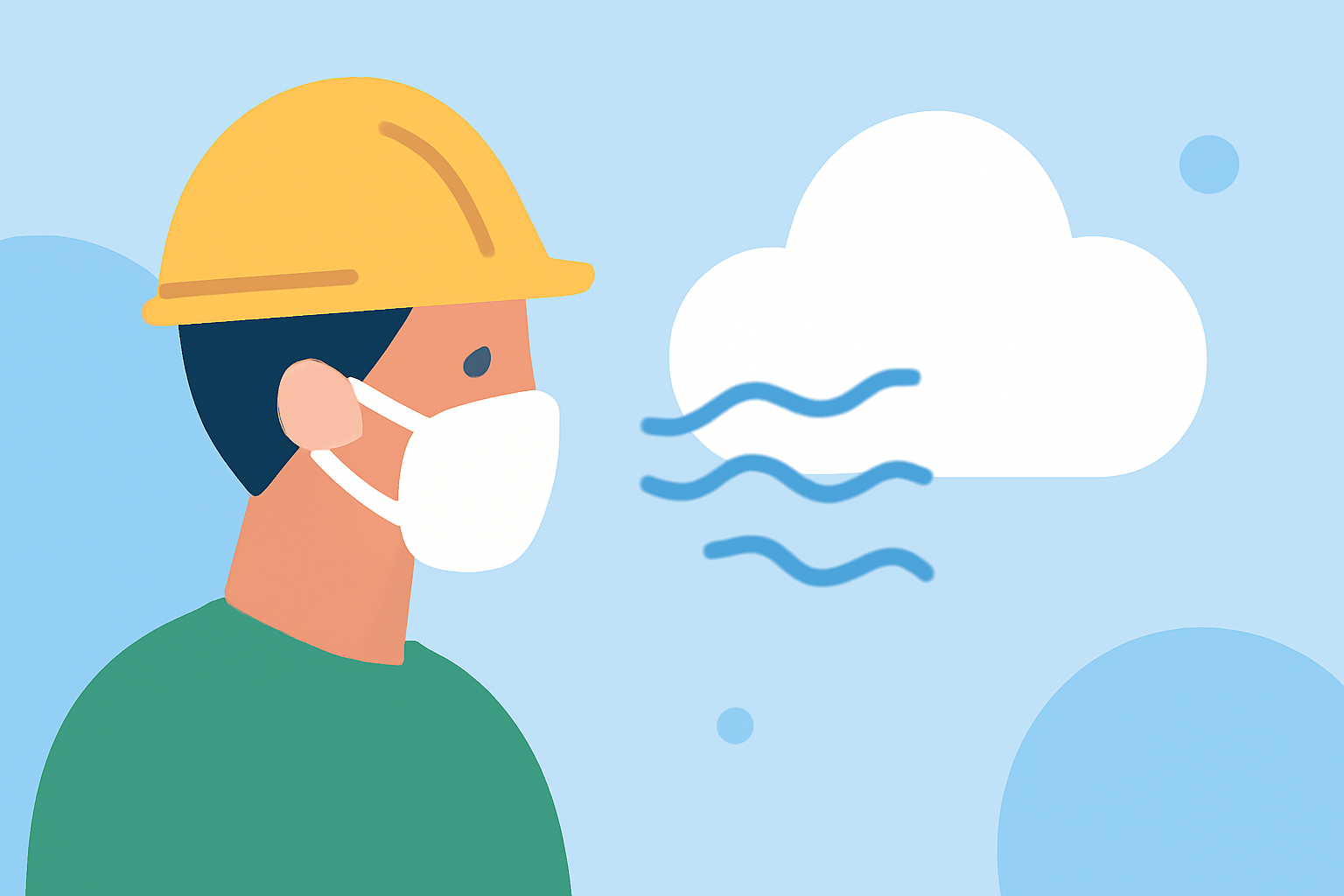
- Use Protective Equipment: If working during lower air quality periods is unavoidable, consider wearing masks designed to filter out airborne particles. This can provide an added layer of protection against pollutants.
Tools and Resources for Monitoring Air Quality
- Clime: With features that provide not just weather forecasts but also air quality data and alerts, Clime is a practical tool for outdoor workers. Users can check real-time AQI levels and receive notifications for hazardous conditions before stepping outside.
- Local Health Departments: Government websites often provide guidelines and recommendations tailored to your specific region, offering additional resources for safe outdoor work.
Conclusion: What We Recommend
- Always check AQI levels via reliable apps before planning outdoor work.
- Monitor local forecasts for potential humidity or wind changes that might influence air quality.
- Schedule outdoor work for times when air quality is optimal, adjusting as necessary based on real-time data.
- Equip yourself and your team with the right tools, like Clime, to mitigate risks associated with poor air quality.