
A Parent's Guide to Managing Grass Pollen Allergies in Children
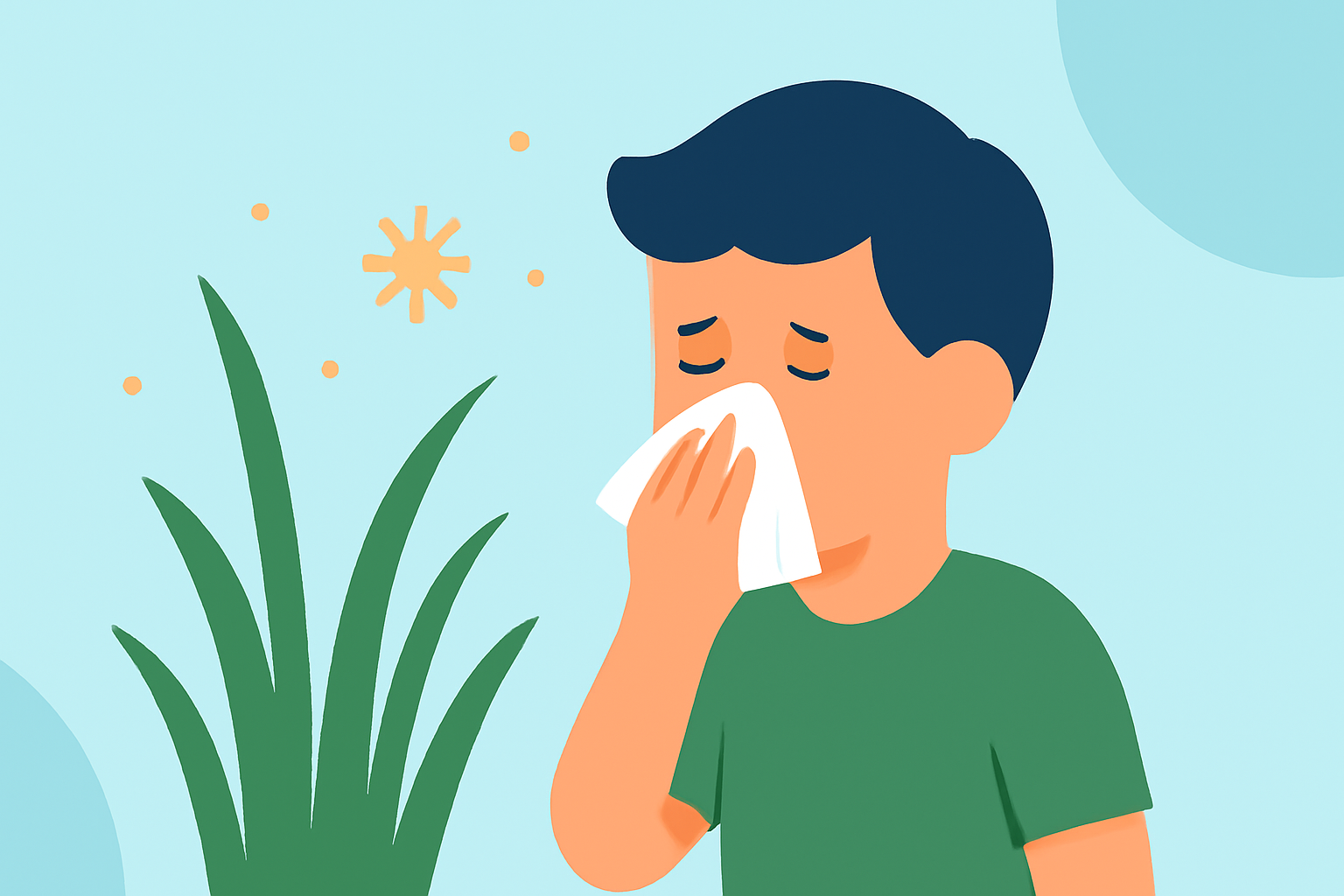
Grass pollen allergies are a common concern for many families, especially during late spring and early summer when grass pollen levels peak. Understanding how to manage these allergies can significantly improve your child's comfort and health. This guide provides practical strategies to help parents navigate grass pollen season effectively.
What Is Grass Pollen?
Grass pollen is a fine powder released by grasses during their reproductive cycle. It becomes airborne and can travel long distances, making it a widespread allergen. Common grasses that produce pollen include Bermuda, Timothy, and Kentucky bluegrass. (medlineplus.gov)
When Is Grass Pollen Season?
In the United States, grass pollen season typically begins in late spring and extends into early summer. The exact timing can vary based on geographic location and climate conditions. Monitoring local pollen forecasts can help you anticipate high pollen periods. (unitedallergyservices.com)
How Does Grass Pollen Affect Children?
Exposure to grass pollen can trigger allergic reactions in sensitive children, leading to symptoms such as:
- Sneezing
- Runny or stuffy nose
- Itchy or watery eyes
- Coughing
- Wheezing
These symptoms can interfere with daily activities, including school and outdoor play. (my.clevelandclinic.org)
How Can Parents Help Manage Grass Pollen Allergies?
Managing grass pollen allergies involves a combination of preventive measures and treatments:
- Monitor Pollen Levels:
- Check local pollen forecasts regularly to stay informed about pollen counts in your area. (unitedallergyservices.com)
- Limit Outdoor Activities During High Pollen Times:
- Pollen levels are typically highest in the early morning and on warm, dry, and windy days. Plan outdoor activities for late afternoon or after a heavy rain when pollen levels are lower. (medlineplus.gov)
- Create an Allergy-Friendly Home Environment:
- Keep windows and doors closed during high pollen seasons.
- Use air conditioning with a clean filter to cool your home.
- Consider using a HEPA air purifier to reduce indoor pollen levels. (kidshealth.org)
- Practice Good Hygiene:
- Have your child bathe and change clothes after playing outdoors to remove pollen from their body and clothing.
- Dry clothes indoors or use a dryer instead of hanging them outside, as pollen can stick to fabrics. (kidshealth.org)
- Manage Indoor Air Quality:
- Use air conditioning in your home and car to filter out pollen.
- Keep windows closed during high pollen seasons. (fda.gov)
- Consult Healthcare Professionals:
- If your child's symptoms are severe or persistent, consult a healthcare provider. They may recommend allergy medications or other treatments to help manage symptoms. (fda.gov)
How Can Clime Assist in Managing Grass Pollen Allergies?
Clime offers a comprehensive solution to help parents manage grass pollen allergies effectively:
-
Localized Pollen Forecasts:
-
Clime provides real-time pollen forecasts tailored to your specific location, allowing you to plan outdoor activities when pollen levels are lower.
-
Health and Wellness Resources:
-
Access to articles and tips on managing allergies, including lifestyle changes and treatment options.
-
Community Support:
-
Connect with other parents and caregivers to share experiences and advice on managing children's allergies.
By leveraging Clime's resources, parents can make informed decisions to protect their children from the adverse effects of grass pollen allergies.
Conclusion
Managing grass pollen allergies in children requires proactive measures, including monitoring pollen levels, limiting exposure during high pollen times, and creating an allergy-friendly home environment. Utilizing resources like Clime can further support parents in effectively managing their child's allergies, leading to improved health and quality of life for the entire family.
Highlights:
- Simple family tips to fight allergies in peak pollen season | Sacramento Bee, Published on Monday, April 20