
A Parent's Guide to Accurately Recording Your Child's Temperature
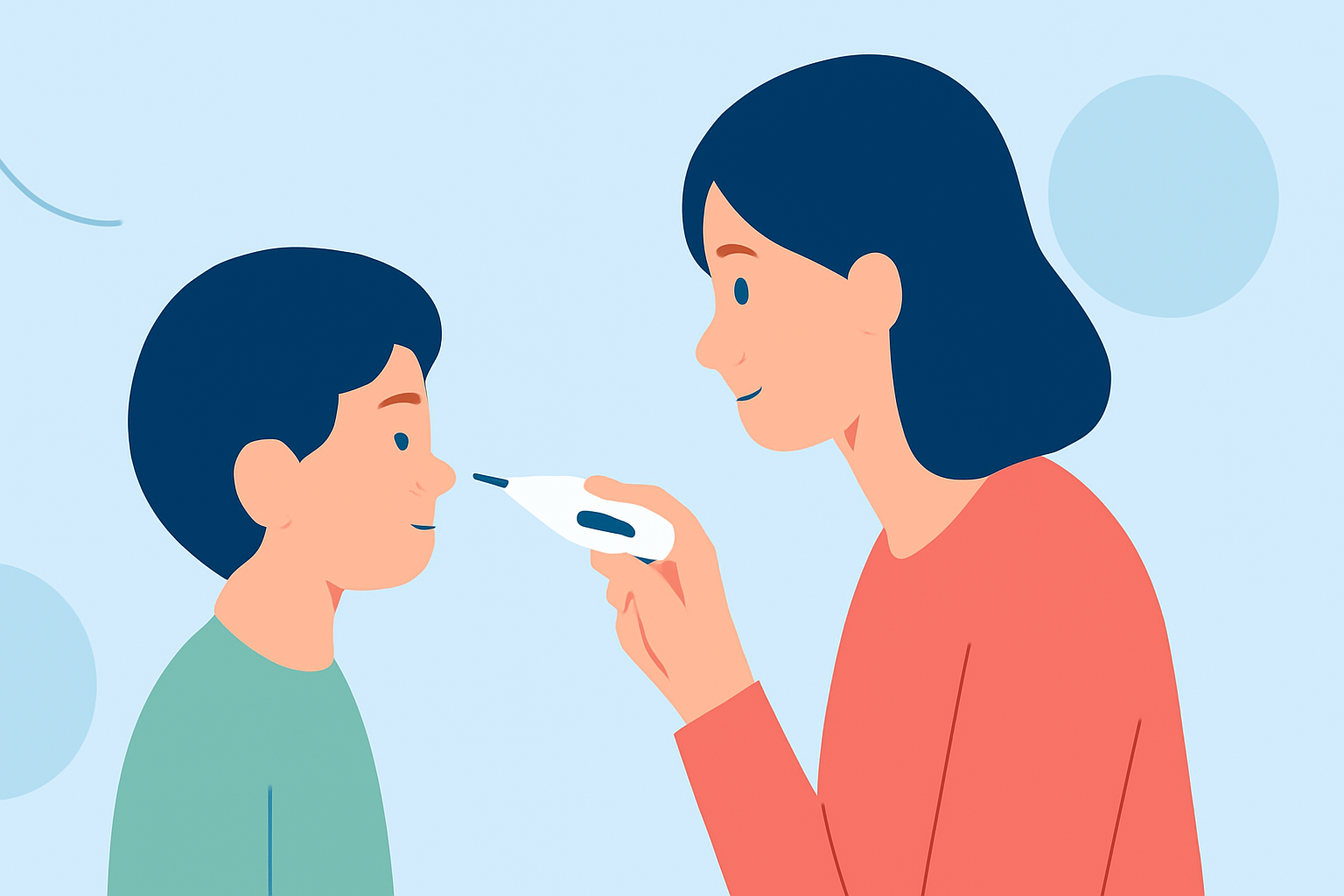
As a parent, accurately measuring your child's temperature is essential for assessing their health and determining when medical attention is necessary. This guide provides clear instructions on the most effective methods and tools for recording your child's temperature.
Why Is Accurate Temperature Measurement Important?
Monitoring your child's temperature helps identify fevers, which can indicate infections or other health issues. An accurate reading ensures appropriate care and timely medical intervention when needed.
What Are the Recommended Methods for Measuring Temperature?
The method you choose should depend on your child's age and comfort:
-
Rectal Temperature: Considered the most accurate, especially for infants under 3 months old. Use a digital thermometer designed for rectal use, lubricate the tip with petroleum jelly, and gently insert it about 0.5 to 1 inch into the rectum. Hold it in place until it beeps. (hopkinsmedicine.org)
-
Oral Temperature: Suitable for children aged 4 and older who can keep their mouth closed. Place the thermometer under the tongue, have your child close their lips gently around it, and wait for the beep. (akronchildrens.org)
-
Axillary (Armpit) Temperature: An alternative for all ages, though less accurate. Place the thermometer in the armpit, ensuring skin contact, and wait for the beep. (stlouischildrens.org)
-
Tympanic (Ear) Temperature: Quick and suitable for children over 6 months old. Place the thermometer gently in the ear canal and wait for the beep. (hopkinsmedicine.org)
-
Temporal Artery (Forehead) Temperature: Non-invasive and suitable for all ages. Use a temporal artery thermometer across the forehead and wait for the beep. (akronchildrens.org)
How Do I Choose the Right Thermometer?
Digital thermometers are recommended due to their accuracy and ease of use. Ensure the thermometer is appropriate for your child's age and the method you plan to use. Always follow the manufacturer's instructions for accurate readings. (drugs.com)
When Should I Seek Medical Attention?
Contact your child's healthcare provider if:
-
Your child is under 3 months old and has a temperature of 100.4°F (38°C) or higher.
-
Your child is between 3 months and 3 years old and has a fever of 102°F (38.9°C) or higher.
-
Your child has a fever lasting more than 24 hours.
-
Your child appears very ill, is unusually drowsy, or is difficult to wake.
-
Your child has other concerning symptoms like difficulty breathing, persistent vomiting, or a rash. (hopkinsmedicine.org)
How Can I Ensure Accurate Temperature Readings?
-
Consistency: Use the same method and thermometer each time to track changes accurately.
-
Preparation: Ensure the thermometer is clean and functioning properly before each use.
-
Environment: Avoid taking a temperature immediately after your child has been active, eaten, or consumed hot or cold beverages, as these can affect the reading.
By following these guidelines, you can confidently monitor your child's health and make informed decisions about their care.
Highlights:
- Measuring a Baby's Temperature | Johns Hopkins Medicine
- Fever - How to Take the Temperature | St. Louis Children's Hospital
- How to Take Your Child's Temperature - HealthyChildren.org, Published on Tuesday, April 16