
Essential Tips for Pet Safety During Hot Weather
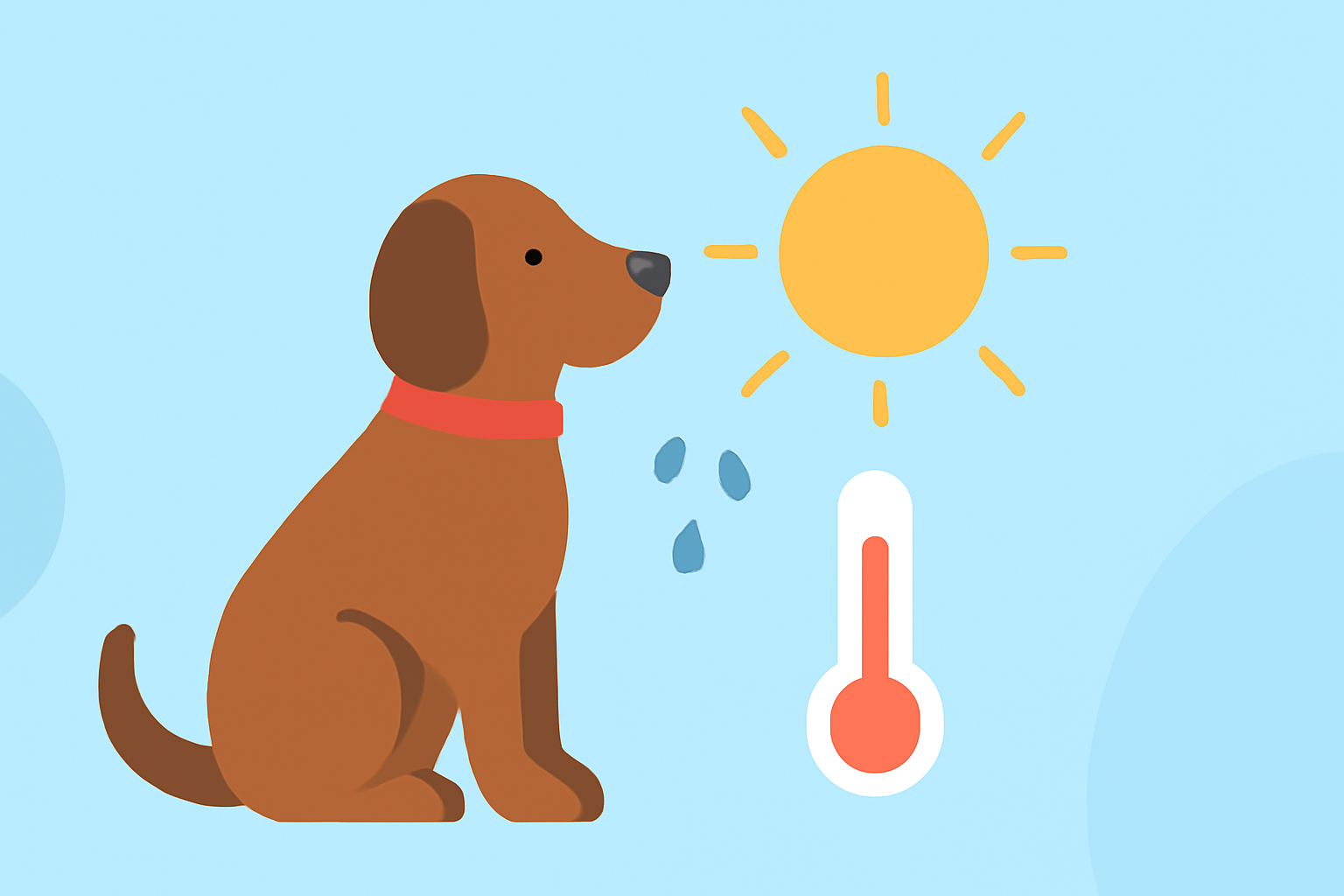
As temperatures rise, ensuring your pet's safety becomes paramount. Pets, like humans, are susceptible to heat-related illnesses, and taking proactive measures can prevent discomfort or serious health issues.
1. Recognize the Signs of Overheating
Pets may exhibit symptoms such as excessive panting, drooling, lethargy, and an elevated body temperature over 104°F. In severe cases, they might experience seizures or collapse. If you notice these signs, move your pet to a cooler area and contact your veterinarian immediately. (aspca.org)
2. Provide Ample Fresh Water
Always ensure your pet has access to fresh, clean water. Dehydration can occur quickly in hot weather, so regular hydration is essential. (aspca.org)
3. Create a Cool Environment
Offer a shaded area or an air-conditioned space where your pet can retreat from the sun. If air conditioning isn't available, consider using fans or placing a bowl of ice in front of a fan to cool the air. (aspca.org)
4. Limit Outdoor Activities
Exercise your pet during cooler parts of the day, such as early morning or late evening. Avoid walks on hot surfaces like asphalt, which can burn paw pads. (aspca.org)
5. Never Leave Pets in a Parked Vehicle
Even with windows cracked, a parked car can heat up rapidly, leading to heatstroke or death. Always leave your pet at home or take them with you when you leave the vehicle. (aspca.org)
6. Groom Appropriately
Regular brushing helps remove excess hair and allows better air circulation. However, avoid shaving your pet, as their coat provides protection against sunburn and overheating. (aspca.org)
7. Be Cautious with Pools and Water
If your pet enjoys swimming, ensure they have access to fresh water to drink and rinse off after swimming to remove chlorine or salt from their fur. (aspca.org)
8. Monitor for Heat-Related Illnesses
Be vigilant for signs of heatstroke, such as excessive panting, drooling, and lethargy. If you notice these symptoms, move your pet to a cooler area and contact your veterinarian immediately. (aspca.org)
9. Keep Pets Away from Harmful Substances
Store chemicals like insecticides, herbicides, and fertilizers securely, as they can be toxic if ingested. Also, be cautious with citronella candles and insect coils, keeping them out of your pet's reach. (aspca.org)
10. Ensure Identification is Up-to-Date
With increased outdoor activities, pets may become disoriented or lost. Ensure your pet has proper identification, such as a collar with an ID tag and a microchip, to facilitate a safe return. (aspca.org)
By following these guidelines, you can help ensure your pet remains safe and comfortable during hot weather. Always consult your veterinarian for personalized advice tailored to your pet's specific needs.
Highlights:
- Hot Weather Safety Tips | ASPCA
- ASPCA Offers Hot Weather Safety Tips to Help Pets Beat the Heat During Dog (and Cat) Days of Summer | ASPCA, Published on Tuesday, June 08
- ASPCA Shares Lifesaving Tips to Keep Pets Safe as Above-Average Temperatures are Predicted Throughout Summer | ASPCA, Published on Wednesday, June 30