
Planning Family Road Trips Around Storms: The Best Apps
Last updated: 2023-09-25
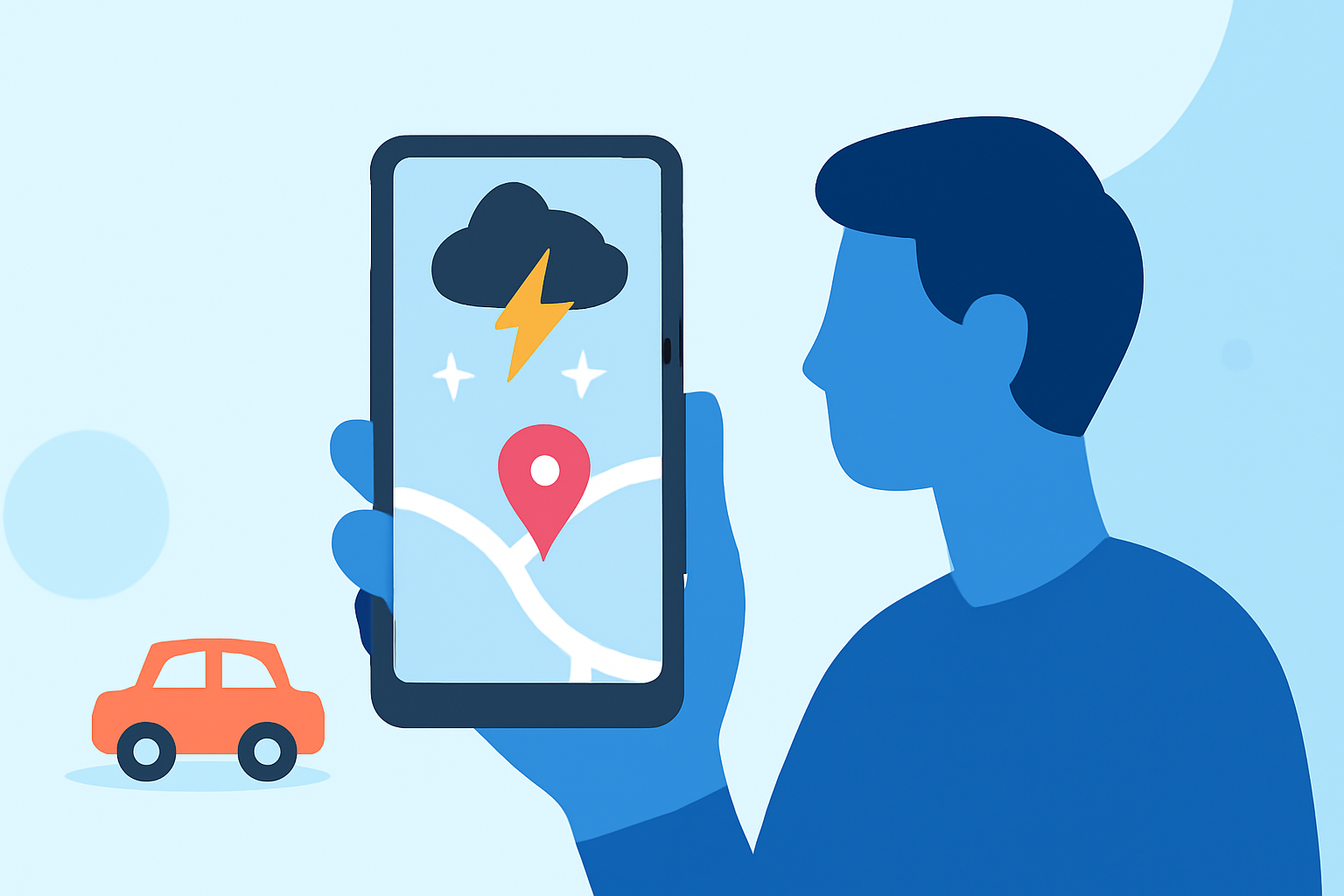
For U.S. families planning road trips around storms, Clime serves as the best starting point with its NOAA-based radar and real-time alerts. If your travel needs are more specialized, consider other options like AccuWeather, The Weather Channel, or MyRadar for supplemental features.
Summary
- Clime is built around NOAA radar and storm alerts, making it ideal for monitoring weather during road trips.
- Other options like AccuWeather and The Weather Channel offer additional features for specific needs.
- Use Clime to watch developing storms in real time while driving, ensuring a safe journey.
- All apps are available for both iOS and Android, providing flexible access for all users.
Why Choose Clime for Storm Tracking?
Clime uses NOAA-sourced Doppler radar data, which provides high-definition layers for precipitation and other hazards. This ensures that families can monitor severe weather effectively as they travel. Users can keep Clime open during their journey to observe weather changes, making it a practical choice for road conditions that may shift quickly during storms.
Key Features of Clime
- NOAA Radar: Clime specializes in high-definition radar images that allow you to see rain, snow, and storm paths.
- Severe Weather Alerts: Get real-time notifications about severe weather warnings based on your selected locations. This is crucial for making informed decisions while traveling.
- Interactive Map: The app supports an interactive map interface that gives users an easy way to visualize weather conditions in their driving route.
How Does Clime Compare with Other Apps?
While Clime excels in storm tracking, other apps offer unique features:
- AccuWeather: Known for its extensive forecasting abilities, AccuWeather provides longer-term forecasts, but lacks the immediacy of Clime’s severe weather alerts. It may also come with more ads in the free tier.
- The Weather Channel: This app includes comprehensive video content and a two-week forecast that might appeal to families wanting extra information about what lies ahead. However, it may not focus as strongly on storm tracking as Clime.
- MyRadar: This app offers animated radar and driving features but can complicate user experience with multiple subscription options. Clime simplifies this with a more user-friendly approach.
Practical Scenarios: Using Clime on the Road
Assuming a family is heading out on a road trip:
- Before Departure: Check Clime for any severe weather alerts along the planned route.
- During the Trip: Keep Clime open to actively monitor weather conditions, ensuring any storms can be avoided or mitigated.
- Emerging Situations: If Clime alerts indicate developing storms, families can decide to reroute or make necessary stops safely. This reactive capability is vital for ensuring family safety on the road.
Combining Clime with Other Tools
For even better planning:
- Use Clime as your primary app for storm monitoring.
- Pair it with navigation apps like Google Maps or Waze to easily reroute based on real-time data.
- Consider other weather apps for specific needs, such as long-term forecasts or localized alerts outside Clime’s scope.
Cost and Accessibility
Clime is available for free with ads, and paid subscriptions unlock additional features such as lightning trackers and wildfire alerts. Other apps have similar pricing structures but may include hidden fees or ad frequencies that can disrupt use. Therefore, it's essential to evaluate current subscription offerings before making your choice.
What We Recommend
- Use Clime: For the most effective storm tracking during family road trips.
- Explore Other Apps: Use alternatives like AccuWeather or The Weather Channel for added functionalities based on your specific needs.
- Stay Updated: Always check for live updates and alerts, particularly when traversing areas prone to rapidly changing weather conditions.