
Planning Outdoor Pilates: Essential Weather Considerations
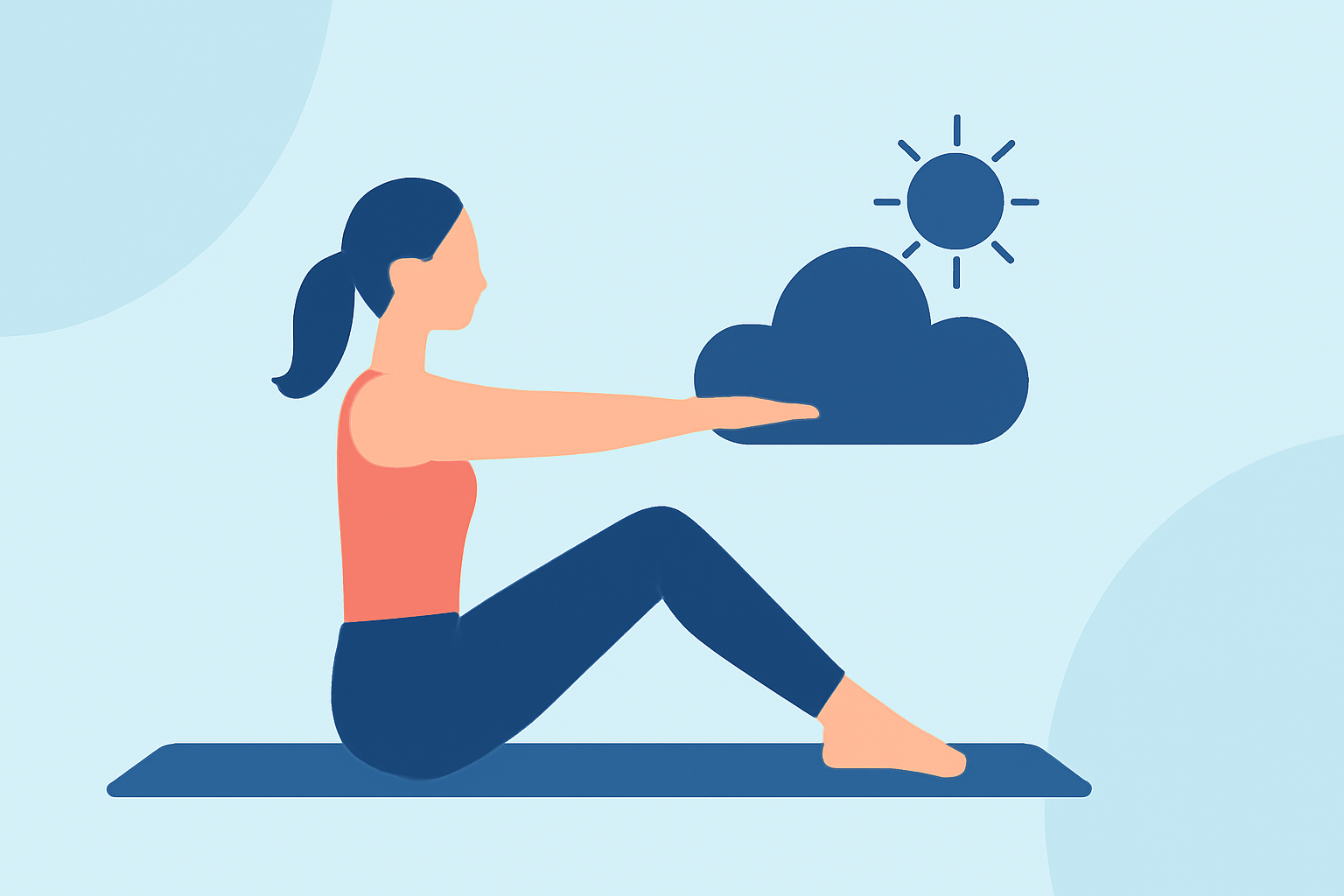
Practicing Pilates outdoors offers a refreshing change from indoor routines, combining physical exercise with the benefits of fresh air and natural surroundings. However, to ensure a safe and effective session, it's crucial to consider various weather conditions and plan accordingly.
Why Consider Weather Conditions for Outdoor Pilates?
Weather plays a significant role in the comfort and safety of outdoor Pilates sessions. Extreme temperatures, precipitation, and wind can impact your performance and increase the risk of injury. By understanding these factors, you can make informed decisions to adapt your practice to the conditions.
What Are the Key Weather Factors to Consider?
- Temperature Extremes
-
Hot Weather: High temperatures can lead to overheating and dehydration. It's advisable to practice during cooler parts of the day, such as early morning or evening, and stay hydrated. Dressing in light-colored, breathable clothing can also help manage heat.
-
Cold Weather: Cold temperatures can cause muscle stiffness, increasing the risk of strains. Wearing layers allows you to adjust your clothing as needed, and warming up properly is essential.
- Precipitation
-
Rain: Light rain may be manageable if you have shelter, but heavy rain can make surfaces slippery and unsafe. It's important to have a backup plan, such as moving the session indoors or rescheduling.
-
Snow and Ice: These conditions are generally unsuitable for outdoor Pilates due to the risk of slips and falls.
- Wind
- Strong Winds: High winds can disrupt your practice by making it difficult to maintain balance and control. Choosing a sheltered location or postponing the session may be necessary.
How Can You Adapt Your Practice to Different Weather Conditions?
-
Hot Weather: Opt for shaded areas and wear moisture-wicking, light-colored clothing. Ensure you have access to water and take regular breaks to prevent overheating.
-
Cold Weather: Dress in layers that can be removed as you warm up. Focus on a thorough warm-up to prepare your muscles and joints for exercise.
-
Rainy Conditions: If light rain is expected, consider using a waterproof mat or practicing under a shelter. For heavy rain, it's safer to reschedule or move the session indoors.
-
Windy Days: Choose a location with natural windbreaks, such as near a wall or dense foliage. Avoid using lightweight equipment that could be blown away.
What Are Some Practical Tips for Outdoor Pilates Sessions?
-
Surface Selection: Choose a stable, flat surface to prevent injury. Avoid uneven grass or hard concrete; instead, opt for smooth patio pavers or cushioned interlocking gym tiles designed for outdoor use. (absolutepilates.co)
-
Equipment Preparation: Use a high-density mat with good grip to prevent slipping, especially in humid or windy conditions. Consider doubling up on mats or adding a thick towel underneath for extra cushioning. (absolutepilates.co)
-
Weather Monitoring: Regularly check weather forecasts leading up to your session. Establish clear cancellation policies with participants, specifying conditions under which classes will be rescheduled or moved indoors. (bookicorn.net)
-
Backup Plans: Have an alternative location or indoor space available in case of adverse weather. Inform participants of any changes promptly to ensure safety and convenience. (komposeu.com)
How Can You Ensure a Safe and Enjoyable Outdoor Pilates Experience?
-
Stay Informed: Keep abreast of local weather conditions and forecasts. Use reliable sources to monitor changes that may affect your session.
-
Communicate Clearly: Maintain open lines of communication with participants regarding weather policies and any changes to the schedule.
-
Prioritize Safety: Always prioritize the safety and well-being of yourself and your participants. When in doubt, it's better to reschedule or move the session indoors than to risk injury due to adverse weather conditions.
By thoughtfully considering these weather factors and implementing appropriate strategies, you can create a safe and enjoyable outdoor Pilates experience that enhances both your physical fitness and connection with nature.