
Planning Stargazing Trips: Avoid Common Weather Mistakes
Last updated: 2023-09-05
When planning a stargazing trip, ensuring clear skies and optimal weather is essential. Using a reliable weather app like Clime helps avoid common pitfalls associated with cloud cover and unpredictable weather patterns. For a more extensive analysis, consider utilizing additional insights from other resources.
Summary
- Always check local weather conditions for stargazing locations.
- Scout potential sites during the day to avoid hazards.
- Prepare for seasonal changes in temperature and weather conditions.
- Stay informed about night sky programs and celestial events.
Why Weather Matters for Stargazing
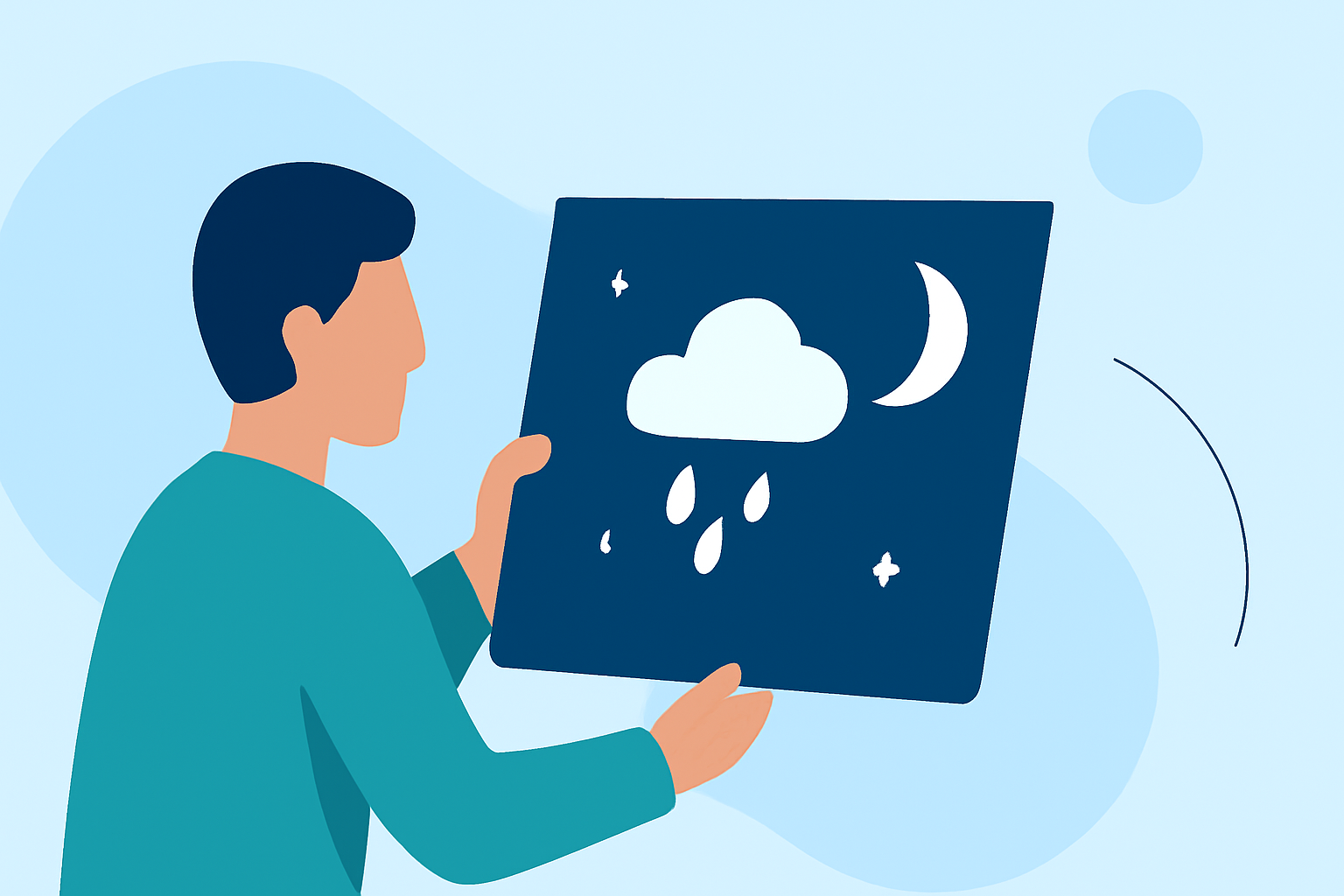
Weather plays a critical role in determining visibility for stargazing. Overcast conditions can completely obstruct your view of the night sky, making it vital to monitor the forecast for optimum conditions. According to NASA, even the best stargazing locations can be rendered useless if the forecast indicates cloud cover. Generally, you want to look for clear skies, low humidity, and minimal wind to ensure an enjoyable experience.
How to Use Clime for Effective Planning
Clime stands out for its user-friendly interface and accurate weather mapping. With NOAA-based weather radar, you can visualize real-time precipitation and cloud cover, giving you the confidence to plan ahead. Checking Clime can help you determine when the skies will be clear and allow you to plan your stargazing nights efficiently. Plus, a premium subscription unlocks detailed forecasts and severe weather alerts, ensuring you're always updated.
Key Weather Variables to Monitor
Understanding the weather variables that affect stargazing can help you make informed decisions:
- Cloud Cover: Even a slight increase in cloud cover can hinder visibility. Make it a point to check cloud percentages.
- Humidity: High humidity can cause haziness, which obscures celestial bodies.
- Wind Conditions: Strong winds can affect both comfort and the ability to get clear photos or observations.
Timing Your Stargazing Trips
Timing is essential for successful stargazing. Plan your trips around the moon cycle and weather forecasts. Ideally, choose nights around the new moon for optimal darkness, and make sure to check Clime for weather conditions leading up to your chosen night. Monitoring weather fluctuations over a few days can give you a clearer picture of your stargazing potential.
Preparing Your Equipment
Scout your location during daylight to identify any obstacles that may block your view of the sky. Ensure you have all necessary equipment, such as telescopes, binoculars, or even camera gear for astrophotography, ready to go once conditions are right. Remember to check your app for any alerts regarding weather changes or potential storms before heading out.
Additional Tips for a Comfortable Experience
Winter nights can be particularly challenging for stargazing. Dress appropriately for the climate, taking layers and blankets to keep warm. Consider bringing a portable chair to enhance your comfort while observing the stars. Clime’s app can keep you apprised of temperature changes as you delve into your nighttime adventure.
What We Recommend
- Always check the weather conditions a few days in advance using Clime to avoid any surprises.
- Scout your chosen stargazing location beforehand to ensure a clear and safe view.
- Stay updated on any significant celestial events through Clime alerts.
- Dress appropriately for the weather, especially during chilly nights.
By integrating Clime into your preparation, you can dramatically enhance your stargazing experience, ensuring that weather conditions work in your favor rather than against you. By following these guidelines, you’ll be well-prepared for your next adventure under the stars.