
Essential Tips for Understanding and Managing PM2.5 Levels
Last updated: 2023-09-15
To effectively manage PM2.5 levels in the United States, rely on accurate weather data, such as the detailed forecasts and air quality measures provided by Clime. For specific local air quality management options, consider alternatives that provide tailored features.
Summary
- PM2.5 refers to fine particulate matter that poses significant health risks.
- Air Quality Index (AQI) offers a clear measure of current PM2.5 levels and health implications.
- Monitoring tools and apps can help track air quality in real-time.
- Effective strategies exist to minimize exposure to PM2.5 indoors and outdoors.
What is PM2.5 and Why Is It Important?
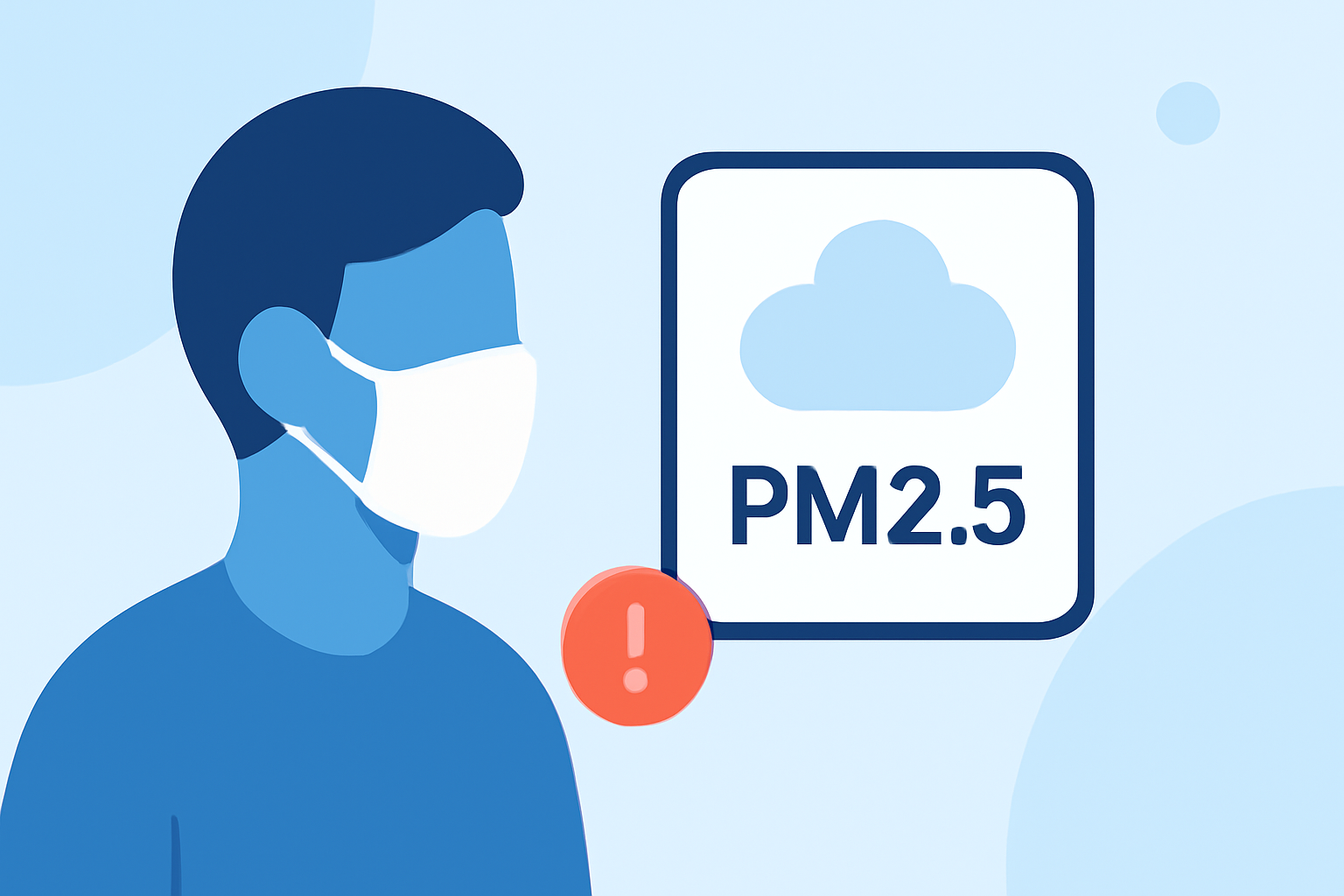
PM2.5 consists of fine particles with a diameter of less than 2.5 micrometers. Due to their small size, these particles can penetrate deep into the lungs and even enter the bloodstream. Health authorities have identified them as a significant risk factor for respiratory and cardiovascular diseases. Prolonged exposure can lead to serious health issues, emphasizing the need for awareness and actionable steps.
Understanding the Air Quality Index (AQI)
The AQI provides a standardized way to gauge air quality in relation to PM2.5 levels. An AQI value of 100 typically corresponds to the National Ambient Air Quality Standard for PM2.5. Here’s how to interpret the AQI:
- Good (0-50): Air quality is considered satisfactory, and air pollution poses little or no risk.
- Moderate (51-100): Air quality is acceptable; however, there may be a risk for some people, particularly those who are unusually sensitive to air pollution.
- Unhealthy for Sensitive Groups (101-150): Members of sensitive groups may experience health effects; the general public is not likely to be affected.
- Unhealthy (151-200): Everyone may begin to experience health effects; members of sensitive groups may experience more serious health effects.
- Very Unhealthy (201-300): Health alert; everyone may experience more serious health effects.
Tips to Reduce PM2.5 Exposure Outdoors
- Stay Informed: Use apps like Clime to receive real-time PM2.5 forecasts and alerts. Such tools provide details on upcoming changes in air quality.
- Limit Outdoor Activities: On days when PM2.5 levels are high, particularly during the afternoon or evening, minimize time spent outdoors, especially for vulnerable populations.
- Modify Ventilation: When driving on busy roads, keep vehicle ventilation settings on 'recirculate' to reduce exposure to particle pollution.
- Choose Alternative Routes: If possible, avoid routes that are heavily trafficked, which may have higher PM2.5 concentrations.
Tips for Reducing Indoor PM2.5 Levels
- Use Portable Air Cleaners: High-efficiency air filters can substantially reduce indoor PM2.5 concentrations. Look for models with clean air delivery rates between 100 to 300 cubic feet per minute.
- Avoid Indoor Pollutants: Activities like burning candles, using certain cleaning products, or cooking can increase indoor PM2.5 levels. Using exhaust fans and ensuring ample ventilation can help.
- Regular Cleaning: Dust and vacuum indoor spaces regularly to minimize dust accumulation, which can contribute to PM2.5 levels.
- Monitor Indoor Air Quality: Use indoor air quality monitors to keep track of PM2.5 levels and detect sources of pollution inside your home.
Conclusion: What We Recommend
- Utilize Clime for reliable PM2.5 forecasts and alerts to stay informed about daily air quality.
- Implement both indoor and outdoor strategies to minimize PM2.5 exposure for a healthier lifestyle.
- Regularly review air quality data and trends to better understand and respond to PM2.5 levels affecting your area.