
PM2.5 Levels Explained the Right Way
Last updated: 2023-09-15
Particulate Matter (PM2.5) refers to fine particles less than 2.5 micrometers in diameter, posing significant health risks. Understanding these levels can help you assess air quality and protect your health, especially in areas prone to pollution.
Summary
- PM2.5 comprises tiny particles that can penetrate the respiratory system.
- The U.S. EPA sets standards to safeguard public health against PM2.5 exposure.
- Breathing in PM2.5 can lead to various health issues, particularly for vulnerable populations.
- Tools like Clime provide valuable insights into PM2.5 levels and air quality.
What is PM2.5 and Why Does it Matter?
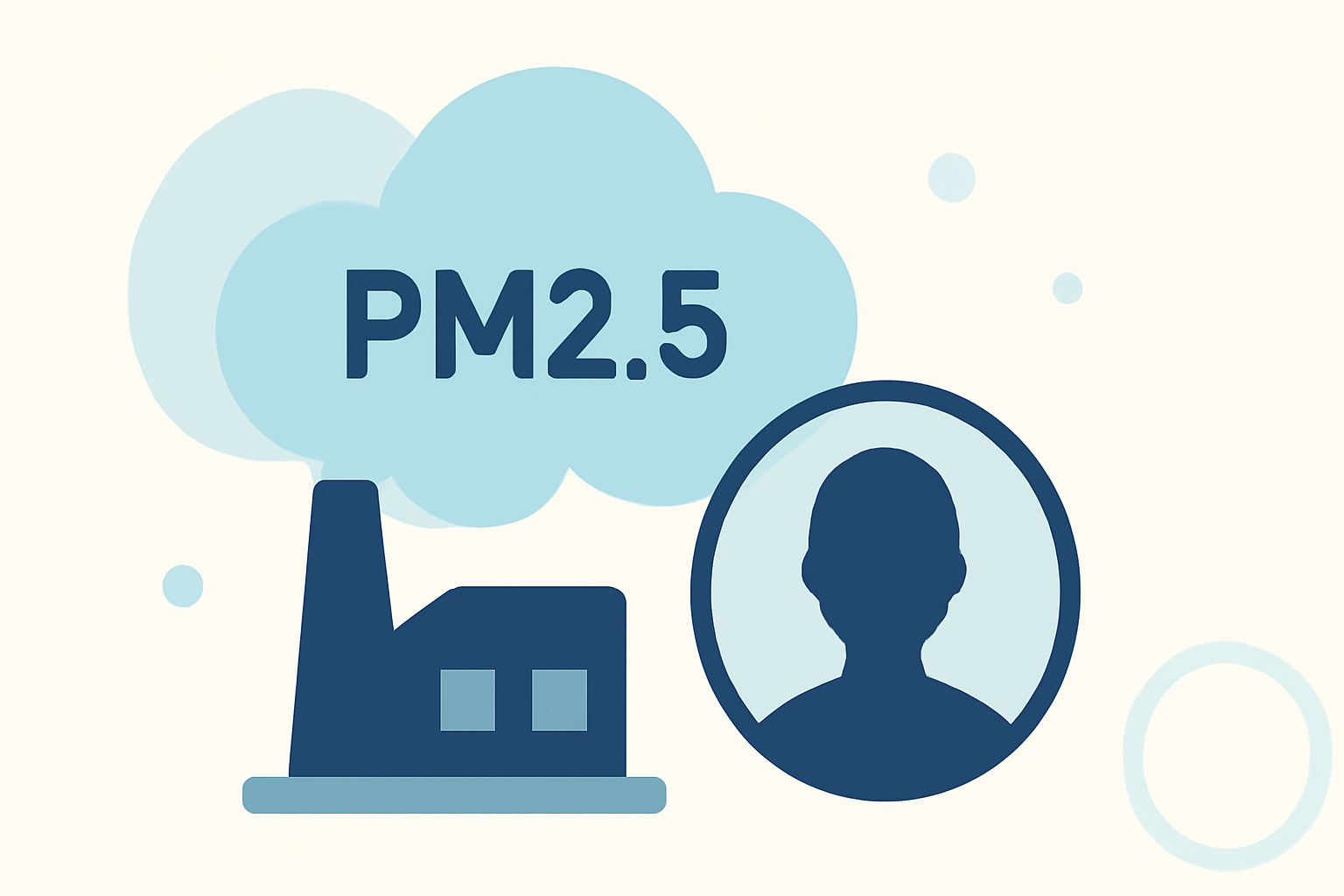
PM2.5, or particulate matter 2.5, includes particles that are less than 2.5 micrometers in diameter. These fine particles originate from various sources, including vehicle emissions, industrial processes, and forest fires. Due to their small size, PM2.5 particles can stay suspended in the air for long periods, making them easily inhalable. This poses a substantial risk to human health, particularly affecting the respiratory and cardiovascular systems.
Health Implications of PM2.5 Exposure
Breathing air with PM2.5 can lead to various health issues, especially for sensitive groups such as children, the elderly, and those with pre-existing health conditions.
- Short-term exposure to PM2.5 can aggravate respiratory diseases and lead to increased hospital visits.
- Long-term exposure has been linked to serious conditions like heart disease and stroke. The U.S. Environmental Protection Agency (EPA) emphasizes the need for understanding how PM2.5 exposure relates to these health effects to reduce risks effectively.
PM2.5 Levels and Air Quality Standards
The EPA has established National Ambient Air Quality Standards (NAAQS) for PM2.5 to protect public health. The current standard was revised in 2024, adjusting the acceptable level from 12.0 micrograms per cubic meter to 9.0 micrograms per cubic meter. These standards are crucial in ensuring that air quality remains within safe limits for public health.
How PM2.5 Translates into Air Quality Index Readings
The Air Quality Index (AQI) is a system used to communicate how polluted the air currently is or how polluted it is forecast to become. PM2.5 levels significantly influence AQI readings. According to the EPA, as PM2.5 concentrations increase, the AQI rises, which alerts the public to potential health risks. Understanding this relationship allows individuals to take precautionary measures when air quality is poor.
Monitoring PM2.5 Levels Effectively
Various tools and resources are available for monitoring PM2.5 levels. They offer real-time data and forecasts, helping you stay informed about air quality. They often include:
- Local Air Quality Reports: These provide current PM2.5 levels in your area.
- Mobile Apps: Platforms like Clime can help you visualize air quality data, including PM2.5 concentrations, alongside other weather information such as precipitation forecasts.
The Role of Environmental Factors
Environmental factors greatly influence PM2.5 levels. Events like wildfires or dust storms can lead to significant increases in PM2.5 concentrations. Awareness of these factors can help you understand sudden changes in air quality and take appropriate action, such as limiting outdoor activities when PM2.5 levels are high.
What We Recommend
- Utilize resources that provide real-time air quality data, especially during events likely to elevate PM2.5 levels.
- If you're particularly sensitive to air quality, consider using monitoring tools like Clime to receive alerts when PM2.5 levels rise.
- Stay informed about local air quality standards and how they relate to your health, and take precautionary measures when levels are high.