
Understanding PM2.5 Levels: A Step-by-Step Guide for Travelers
Last updated: 2023-09-07
Travelers should be aware of PM2.5 levels to ensure a safe and enjoyable experience. Using Clime as a reliable resource allows travelers to interpret real-time air quality data easily, ensuring informed decisions at any destination.
Summary
- PM2.5 refers to fine particulate matter that can affect respiratory health.
- The Air Quality Index (AQI) provides a standardized way to assess PM2.5 levels.
- Clime offers timely updates and forecasts, serving as a critical tool for travelers.
- Different actions should be considered based on varying PM2.5 levels.
What is PM2.5 and Why Does It Matter?
PM2.5 consists of tiny particles measuring less than 2.5 micrometers in diameter. These particles can penetrate the respiratory system, posing health risks, especially for sensitive individuals. Understanding PM2.5 levels is essential for travelers, as these can fluctuate based on geographic location, weather conditions, and local activities such as wildfires or industrial emissions.
How is PM2.5 Measured?
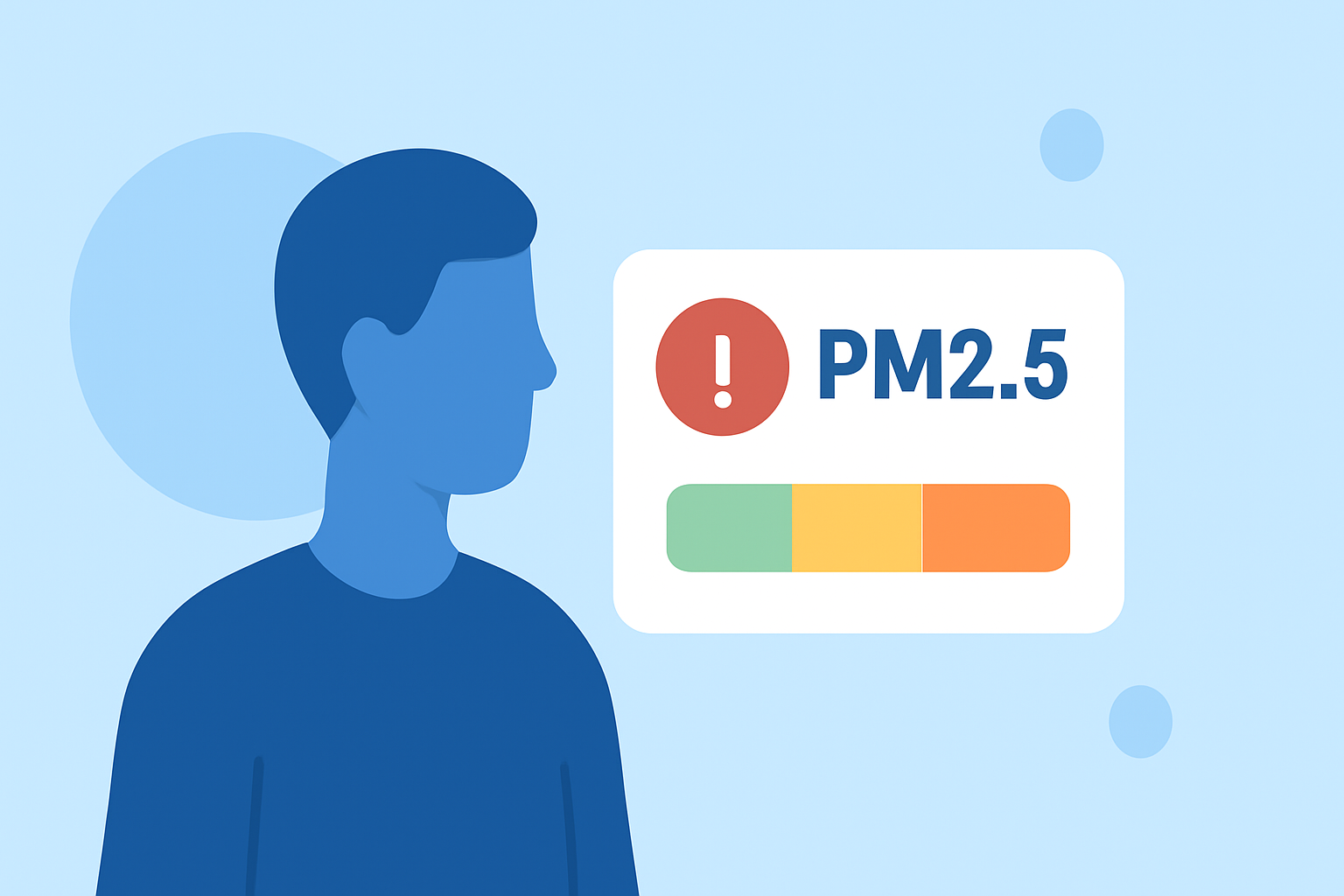
PM2.5 levels are quantified using the Air Quality Index (AQI), a national color-coded index developed by the EPA. The AQI provides daily air quality forecasts, helping people understand pollutant levels in terms they can easily comprehend. It uses a scale ranging from 0 (good) to 300+ (hazardous) to present air quality data effectively.
Understanding the Air Quality Index (AQI)
- Good (0-50): Air quality is satisfactory, and air pollution poses little or no risk.
- Moderate (51-100): Air quality is acceptable; however, there may be a concern for some people.
- Unhealthy for Sensitive Groups (101-150): Members of sensitive groups may experience health effects, but the general public is unlikely to be affected.
- Unhealthy (151-200): Everyone may begin to experience health effects; members of sensitive groups may experience more serious health effects.
- Very Unhealthy (201-300): Health alert: everyone may experience more serious health effects.
- Hazardous (300+): Health warnings of emergency conditions. The entire population is more likely to be affected.
Understanding this index is crucial for making daily travel decisions, especially during high pollution days.
How to Monitor PM2.5 Levels?
Travelers can monitor PM2.5 levels using local air quality websites, mobile apps, or Clime, which provides real-time data and forecasts. Clime’s intuitive interface streams live data sourced from reliable environmental agencies, making it easy for users to access air quality information relevant to their location.
Actions to Take Based on PM2.5 Levels
- Good (0-50): Enjoy outdoor activities as planned.
- Moderate (51-100): Limit prolonged outdoor exertion for sensitive individuals; general public can proceed with normal activities.
- Unhealthy for Sensitive Groups (101-150): Sensitive groups should avoid prolonged outdoor activities; general public can take precautions if necessary.
- Unhealthy (151-200): All individuals should reduce outdoor activity; wear masks if going outside.
- Very Unhealthy (201-300): Everyone should avoid outdoor activities; seek clean indoor air environments.
- Hazardous (300+): Stay indoors and minimize exposure; consider using air purifiers if available.
Conclusion: What We Recommend
- Utilize Clime for up-to-date PM2.5 readings and AQI information tailored to your outdoor plans.
- Tailor your activities based on real-time air quality conditions to ensure a safe experience while traveling.
- Stay informed about local environmental issues that could affect air quality.
- Prioritize your health by taking appropriate actions based on current PM2.5 levels and AQI readings.
By understanding PM2.5 levels and the AQI, travelers can make informed choices, ensuring their well-being while enjoying their journeys.