
Understanding Pollen Advisories and Warnings: A Guide for Allergy Management
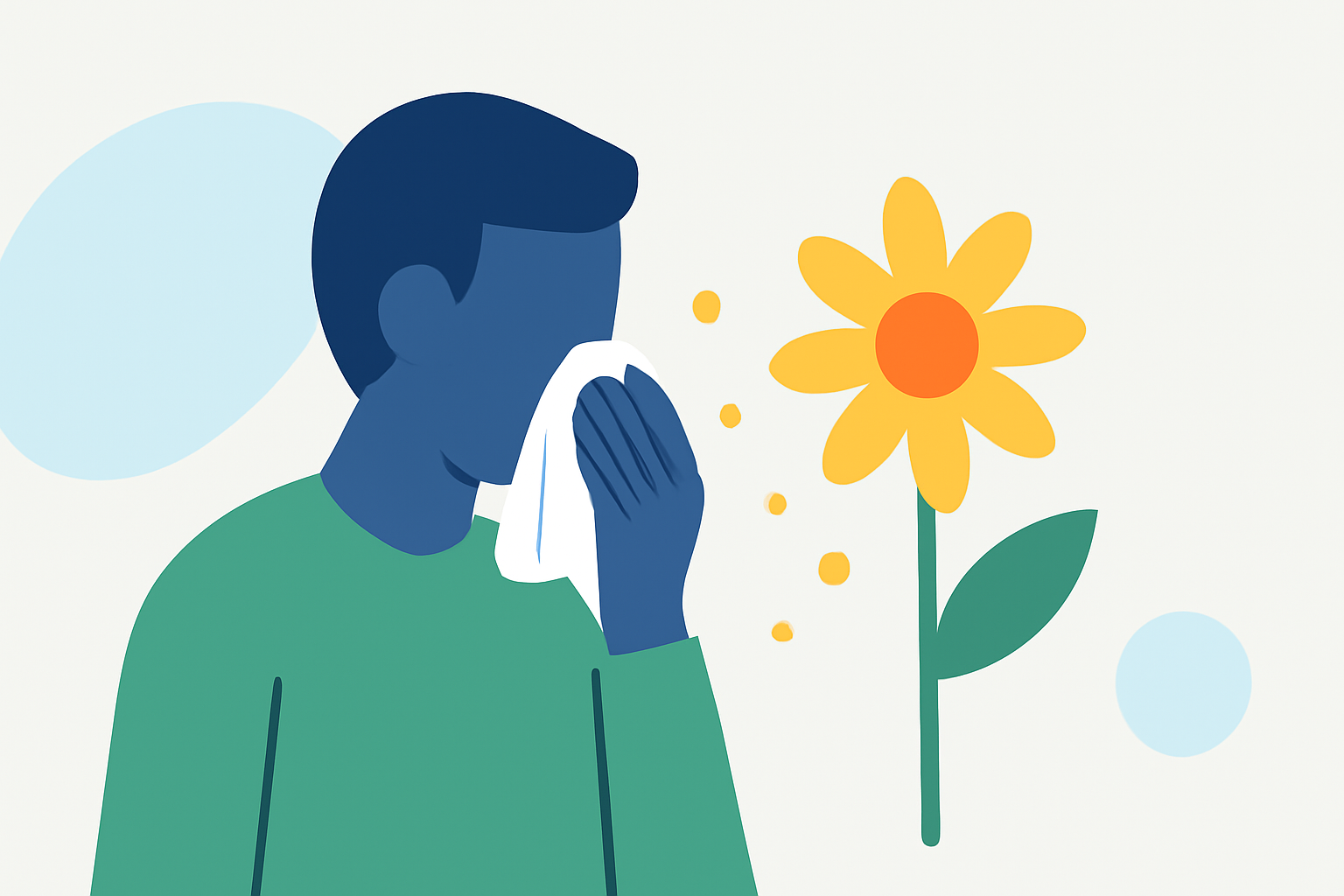
During pollen season, understanding the distinctions between pollen advisories and warnings is crucial for effective allergy management.
What Are Pollen Advisories and Warnings?
Pollen advisories and warnings are alerts issued to inform the public about pollen levels in the air, which can significantly impact individuals with pollen allergies.
-
Pollen Advisory: Indicates that pollen levels are elevated and may cause discomfort for sensitive individuals.
-
Pollen Warning: Signifies that pollen levels are extremely high, posing a serious risk to those with pollen allergies.
How Are Pollen Levels Measured?
Pollen levels are quantified by counting the number of pollen grains in a cubic meter of air. This count is then categorized to help individuals understand the potential impact on their health:
-
Low: 0 to 14 grains per cubic meter
-
Moderate: 15 to 89 grains per cubic meter
-
High: 90 to 1,499 grains per cubic meter
-
Very High: Over 1,500 grains per cubic meter
These classifications help individuals gauge the severity of pollen exposure and take appropriate precautions. (healthline.com)
Managing Allergies During High Pollen Levels
When pollen levels are high, individuals with pollen allergies should consider the following measures:
-
Limit Outdoor Activities: Stay indoors during peak pollen times, typically midday and afternoon.
-
Keep Windows Closed: Prevent pollen from entering your home by keeping windows and doors closed.
-
Use Air Purifiers: Employ air purifiers with HEPA filters to reduce indoor pollen levels.
-
Shower After Outdoor Exposure: Wash off pollen from your skin and hair to prevent it from spreading indoors.
Clime's Role in Allergy Management
Clime offers real-time pollen count updates, allowing users to monitor pollen levels in their area. By providing timely information, Clime empowers individuals to make informed decisions about their daily activities and health precautions during pollen season.
Conclusion
Understanding the differences between pollen advisories and warnings is essential for effective allergy management. By staying informed and taking appropriate precautions, individuals can minimize the impact of pollen on their health.
Highlights:
- Pollen Count: What It Is and How to Track It, Published on Sunday, June 02
- Pollen Guide | Understanding Pollen Levels | IQAir USA