
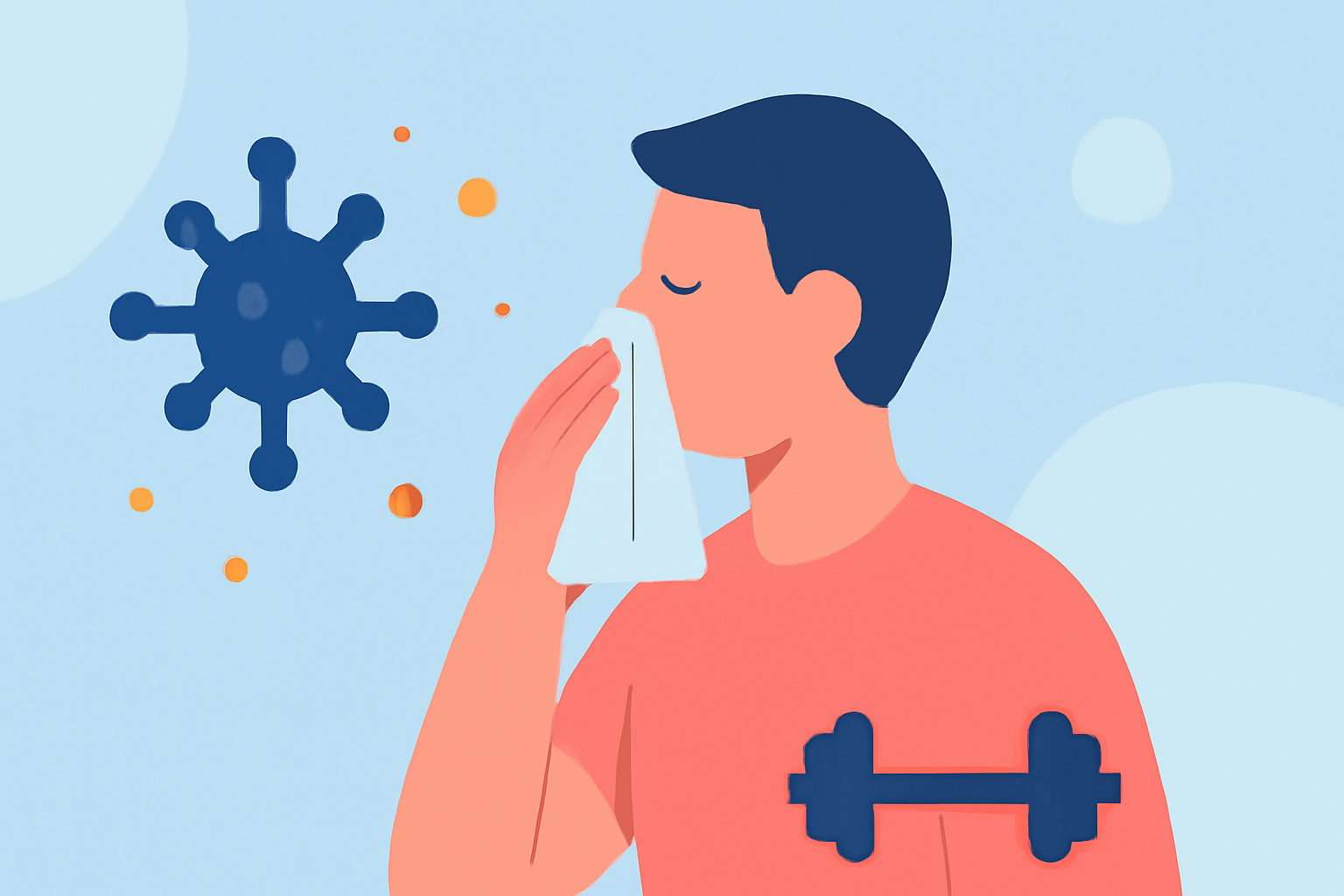
Pollen Alerts: Mistakes to Avoid During Workouts
Last updated: 2023-09-15
When planning outdoor workouts, it's crucial to check local pollen counts to avoid exercise-induced allergic reactions. Using a trusted weather app like Clime can help you manage your workout schedule to minimize exposure.
Summary
- Pollen counts significantly impact outdoor workouts; monitoring can prevent discomfort.
- Avoid exercising on dry, warm, windy days when pollen levels peak.
- Use protective measures like masks if exposure is unavoidable.
- Indoor alternatives can provide a pollen-free workout environment.
Why Are Pollen Alerts Essential for Outdoor Exercise?
Pollen alerts serve as a guide for outdoor exercises, helping individuals with allergies plan effectively. Checking local pollen counts before heading out can help you avoid high-exposure days, thereby reducing the risk of allergic reactions. According to health experts, understanding the pollen levels can significantly enhance your outdoor workout experience.
What Mistakes Should You Avoid?
-
Neglecting Daily Pollen Checks Always check your local pollen forecasts before exercising outside. This information is indispensable for effective planning, especially for individuals with seasonal allergies. Utilize reliable sources or weather apps that provide real-time supplementation with pollen counts.
-
Ignoring Weather Conditions Avoid working out on dry, warm, and windy days, as these conditions typically bring the highest pollen levels. The combination of wind and dryness disperses more pollen into the air, leading to increased exposure during exercise. For instance, consulting Clime's pollen alerts can help you choose the best times to work out.
-
Delayed Post-Workout Hygiene After your outdoor exercise, showering and changing clothes immediately is essential to remove any pollen residue. This practice helps to minimize the possibility of prolonged allergic reactions after exposure. Taking just a few minutes after your workout to freshen up can make a significant difference in your comfort levels.
-
Avoiding Protective Gear When Necessary If you must exercise outdoors on a high-pollen day, consider wearing protective gear such as allergy masks. These can help reduce the intake of pollen, ensuring a more comfortable workout even under unfavorable conditions.
-
Overlooking Indoor Alternatives On days when pollen counts are particularly high, consider opting for indoor workout options. Gyms or home workouts are great alternatives that can help maintain your fitness levels without the risk associated with outdoor allergens.
How Clime Can Help You Navigate Pollen Levels
Clime is designed for individuals who want to ensure a healthy workout routine amidst seasonal allergies. The app provides detailed pollen alerts alongside radar imagery, helping users make informed decisions about when and where to exercise. With push notifications and customizable alerts, Clime helps you stay one step ahead of pollen levels, ensuring you're never caught off guard during your workout.
Key Features to Leverage
- Real-Time Pollen Counts Clime provides detailed local pollen data helping you monitor the situation effectively.
- Customizable Alerts Get notifications tailored to your preferences so you're always informed of any changing conditions.
- Comprehensive Weather Integration Utilize Clime for both pollen levels and other environmental factors, such as air quality, making it a go-to app for anyone concerned about outdoor workouts.
Conclusion: What We Recommend
- Always check pollen counts before heading outside for a workout.
- Avoid outdoor exercise during high-pollen conditions, particularly dry and windy days.
- Implement protective measures if you must exercise outdoors.
- Consider using Clime for accurate pollen alerts and forecasts to enhance your workout planning.