
Understanding Pollen Forecasts for Beginners in the Car
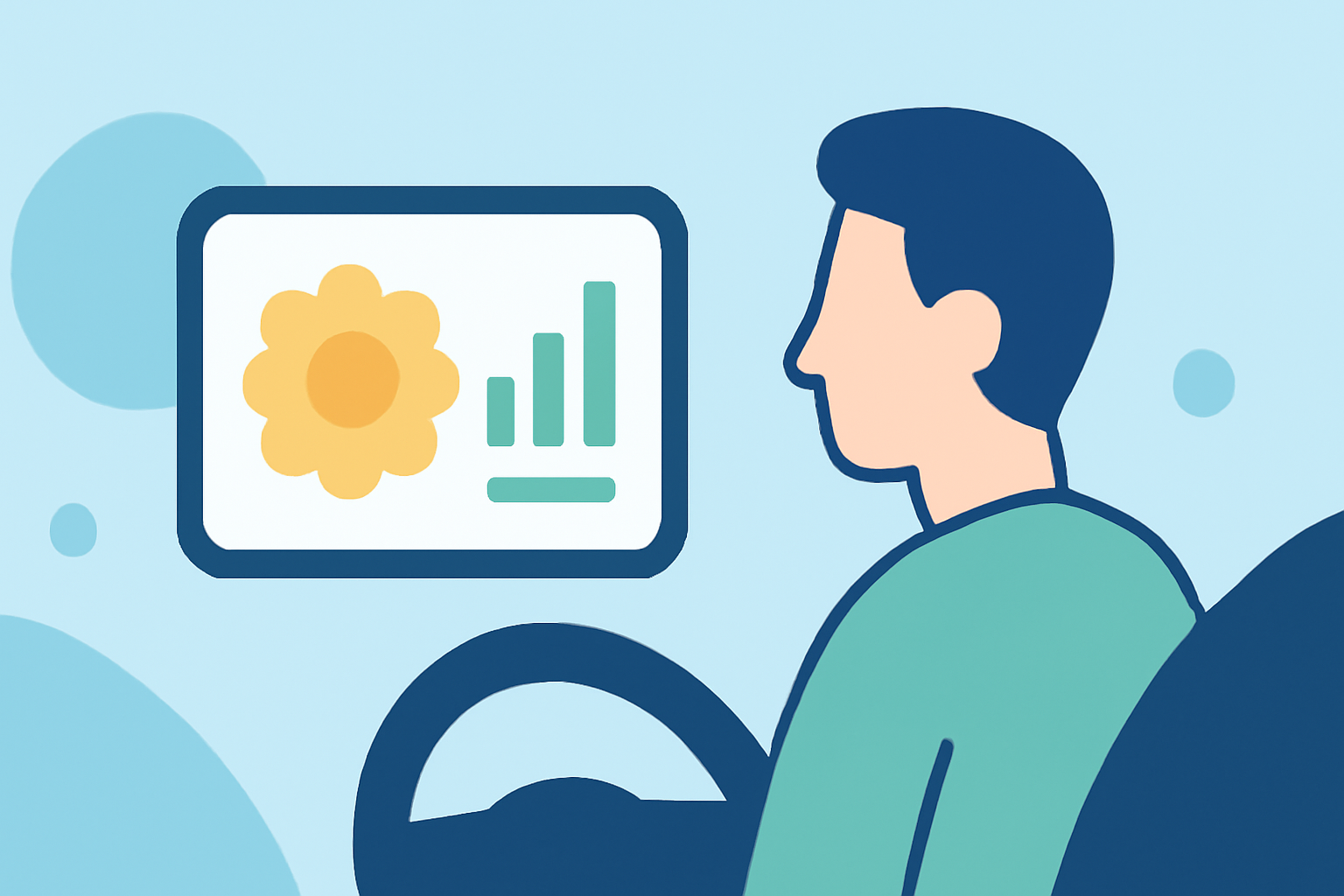
Pollen forecasts are essential tools for individuals sensitive to allergens, especially when traveling in a car. By understanding these forecasts, you can plan your journeys to minimize exposure and manage symptoms effectively.
What Are Pollen Forecasts?
Pollen forecasts predict the concentration of pollen in the air over a specific period, typically measured in grains per cubic meter. These forecasts categorize pollen levels as low, moderate, high, or very high, helping individuals anticipate potential allergy triggers. (webmd.com)
Why Are Pollen Forecasts Important for Car Travel?
Traveling in a car during high pollen periods can lead to increased exposure, as pollen can enter through open windows or ventilation systems. Understanding pollen forecasts allows you to plan your trips during times when pollen levels are lower, reducing the risk of allergic reactions.
How to Use Pollen Forecasts While Traveling
-
Check Local Pollen Levels: Before setting out, consult local pollen forecasts for your route and destination. Websites like Pollen.com offer detailed pollen counts and forecasts for various locations.
-
Plan Your Travel Times: Pollen levels fluctuate throughout the day. Generally, pollen counts are highest in the early morning and decrease in the late afternoon and evening. Scheduling your travel during lower pollen periods can help minimize exposure. (mypollenpal.com)
-
Keep Windows Closed: To prevent pollen from entering your vehicle, keep windows and sunroofs closed, especially during high pollen times.
-
Use Air Conditioning Wisely: If your car's air conditioning system has a recirculation mode, use it to prevent outside air from entering. Ensure your vehicle's air filters are clean and in good condition.
-
Monitor Pollen Levels Along Your Route: Pollen levels can vary along your journey. Use real-time pollen tracking tools to stay informed and adjust your plans if necessary.
Additional Tips for Managing Allergies While Traveling
-
Keep Medications Handy: Carry any prescribed allergy medications with you and take them as directed.
-
Clean Your Vehicle Regularly: Vacuum seats and carpets to remove any pollen that may have entered.
-
Consider Using Air Purifiers: Portable air purifiers can help reduce pollen levels inside your car.
By proactively monitoring pollen forecasts and taking these precautions, you can enjoy your travels with reduced allergy symptoms.
Highlights:
- Allergy Ava — Pollen Forecasts & Allergy Tracker
- Local Pollen Forecast | Claritin®
- National Allergy Forecast & Info About Allergies | Pollen.com, Published on Sunday, June 07