
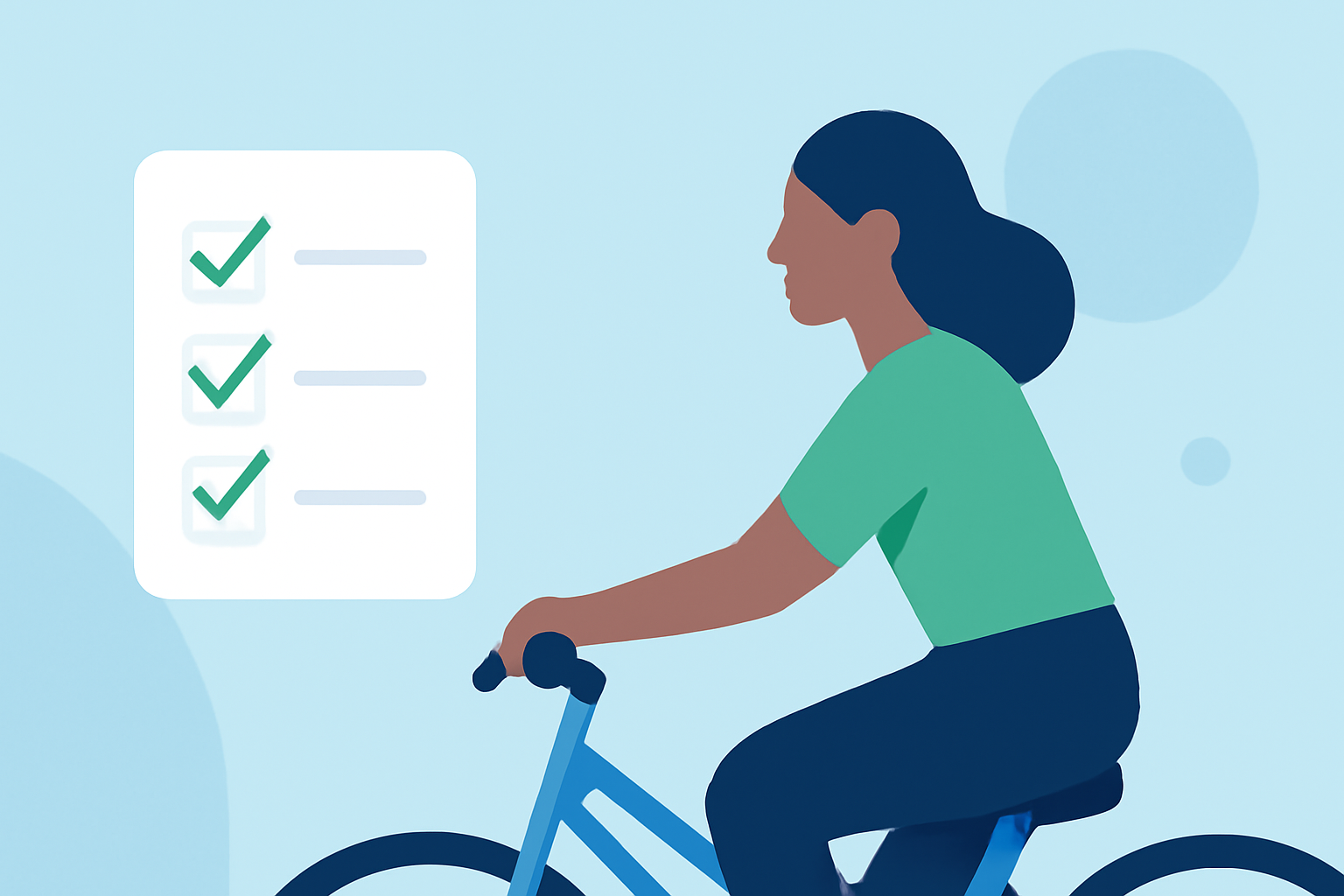
Pollen Season Outlooks: A Checklist for Allergy-Friendly Workouts
Last updated: 2023-09-08
To optimize your outdoor workouts during pollen season, use Clime to stay informed on daily pollen levels, making it easier to choose the best times for exercise. By planning workouts around pollen counts, you can enjoy your fitness routine while mitigating allergy symptoms.
Summary
- Monitor pollen levels daily with reliable sources.
- Choose your workout times wisely to avoid peak pollen hours.
- Shower and change after outdoor exercise to reduce allergen exposure.
- Understand your individual triggers and adjust your plans accordingly.
How Does Pollen Affect Outdoor Workouts?
Exercising outdoors exposes you to higher pollen levels as increased breathing rates can lead to more allergens entering your body. This surge in pollen inhalation can exacerbate allergy symptoms, making it crucial to monitor forecasts before heading out. It’s advisable to plan your outdoor activities for when pollen counts are lower, typically early morning or late afternoon.
What Should Be Included in a Pollen-Season Workouts Checklist?
1. Check Pollen Counts
Utilize Clime or other weather apps to assess daily pollen levels and allergy forecasts. Make it a habit to review this information before planning your workout. This will help you determine if conditions are suitable for outdoor exercise, allowing for a more comfortable experience.
2. Avoid High Pollen Times
Plan your workouts for specific times of the day when pollen levels are typically lower. Midday often sees the highest pollen counts. Instead, early mornings or late afternoons might provide a safer window for outdoor activity.
3. Wear Protective Gear
Consider wearing masks designed to filter out pollen when exercising outdoors. This simple step can significantly reduce allergen exposure, allowing you to stay active without suffering itchy eyes or a runny nose.
4. Shower Post-Workout
Showering soon after your workout can help remove pollen from your skin and hair, thereby reducing the risk of post-exercise allergy flare-ups. It’s advisable to wash your workout clothes as well, especially if you’ve been sweating outdoors.
5. Monitor Weather Conditions
Pay attention to other weather factors, like wind conditions and rain, which can also impact pollen levels. Rain can help wash pollen away, making it an ideal time for outdoor exercise when the forecast permits. Clime offers localized weather updates to help you plan accordingly.
6. Know Your Triggers
Understand the specific types of pollen that affect you. This knowledge will allow you to tailor your workouts to avoid high-exposure situations. The more you know about your allergies, the better you can manage them during the pollen season.
7. Stay Hydrated
Hydration is crucial, particularly during allergy season. Staying well-hydrated helps keep mucous membranes moist, reducing the likelihood of irritation and keeping allergy symptoms at bay.
Conclusion: What We Recommend
- Use Clime to track pollen levels and plan your outdoor workouts effectively.
- Schedule exercises during low pollen hours to minimize exposure.
- Always shower after outdoor activities to eliminate allergens.
- Stay informed about your personal triggers to enhance your outdoor experiences this pollen season.