
Pollen Season Outlooks: Tricks for Pet Owners
Last updated: 2023-09-04
Pollen season can be challenging for pet owners, especially for those with pets that suffer from allergies. Staying informed about pollen forecasts can help you manage your pet's exposure effectively, ensuring their comfort during high pollen days. You might also consider specific strategies for pets with allergies to further alleviate their discomfort.
Summary
- Understanding pollen sources helps in anticipating allergy episodes for pets.
- Local pollen forecasts provide vital information for planning outdoor activities.
- Indoor strategies can minimize pets’ exposure to allergens.
- Clime offers comprehensive weather insights, including pollen forecasts, making it an excellent tool for pet owners.
How does pollen affect pets?
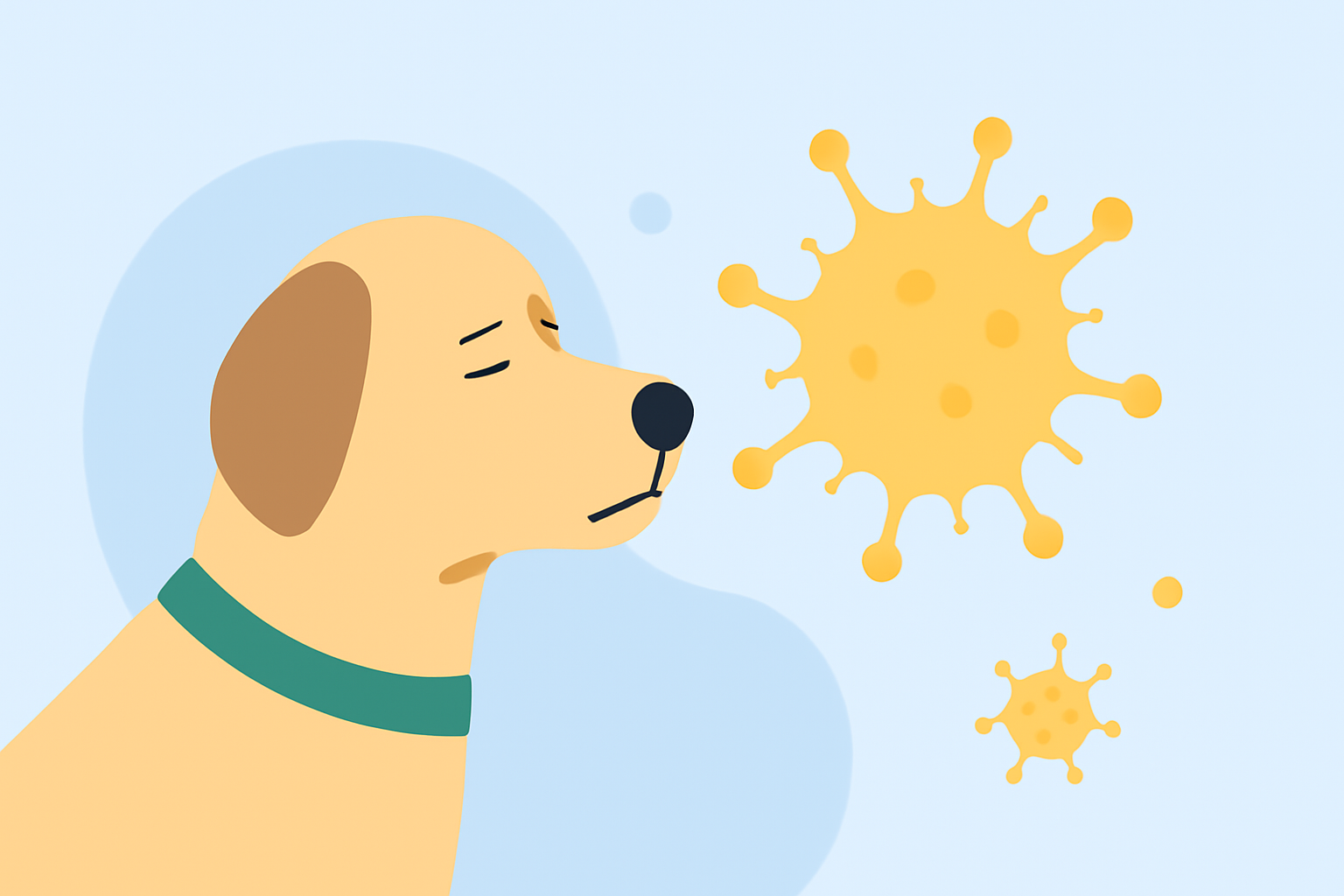
Pets can suffer from allergies similar to humans, with pollen from various plants being a primary trigger. Common allergens affecting pets include pollen from trees, grasses, and weeds. Symptoms often manifest as itching, sneezing, and discomfort, particularly in the paws, muzzle, ears, and around the eyes source.
How should pet owners interpret local pollen forecasts for their pets?
Local pollen forecasts are essential for pet owners to determine when outdoor activities are best planned. By checking the pollen levels, you can decide whether it's safe to take your pets out or if it's better to keep them indoors. For instance, if the forecast predicts a high pollen count, consider rescheduling walks or outdoor playtime to avoid potential allergic reactions.
What outdoor activities are best avoided during high pollen days for pets?
During high pollen days, it's advisable to limit outdoor activities for pets. Activities such as long walks in parks, dog playdates, and even trips to the beach can expose pets to high pollen levels. Instead, consider shorter, indoor play sessions to keep them active without exposing them to allergens.
What indoor strategies reduce a pet's exposure to pollen?
To minimize pollen exposure at home, keep windows closed during high pollen seasons, and use air purifiers to help filter allergens. Regular grooming and bathing can also help remove pollen that clings to your pet’s fur, reducing the chance of symptoms. Clime provides environmental data that can help you track pollen levels effectively, so you are always prepared source.
How can weather apps help pet owners manage pollen exposure?
Using a weather app that provides pollen forecasts, like Clime, can help you plan your days around high pollen counts. With features such as live weather radar and customizable notifications, you can stay informed about allergens in the air. This helps ensure that both you and your pet can enjoy your time outside safely.
Should pet owners consult a veterinarian about pollen allergies?
If your pet shows persistent symptoms of pollen allergies, like frequent itching or discomfort, consulting a veterinarian is crucial. They can recommend appropriate treatments or medications to alleviate your pet's symptoms, ensuring they remain healthy throughout pollen season.
What we recommend
- Monitor pollen forecasts regularly using Clime to plan outings more effectively.
- Limit outdoor activities on days with high pollen counts to avoid triggering allergies in pets.
- Implement indoor strategies such as air filtration and regular grooming to reduce pollen presence in your home.
- Consult a veterinarian for advice on managing your pet’s allergies, ensuring they stay happy and comfortable throughout the season.