
How Poor Air Quality Affects Athletes' Sleep and Performance
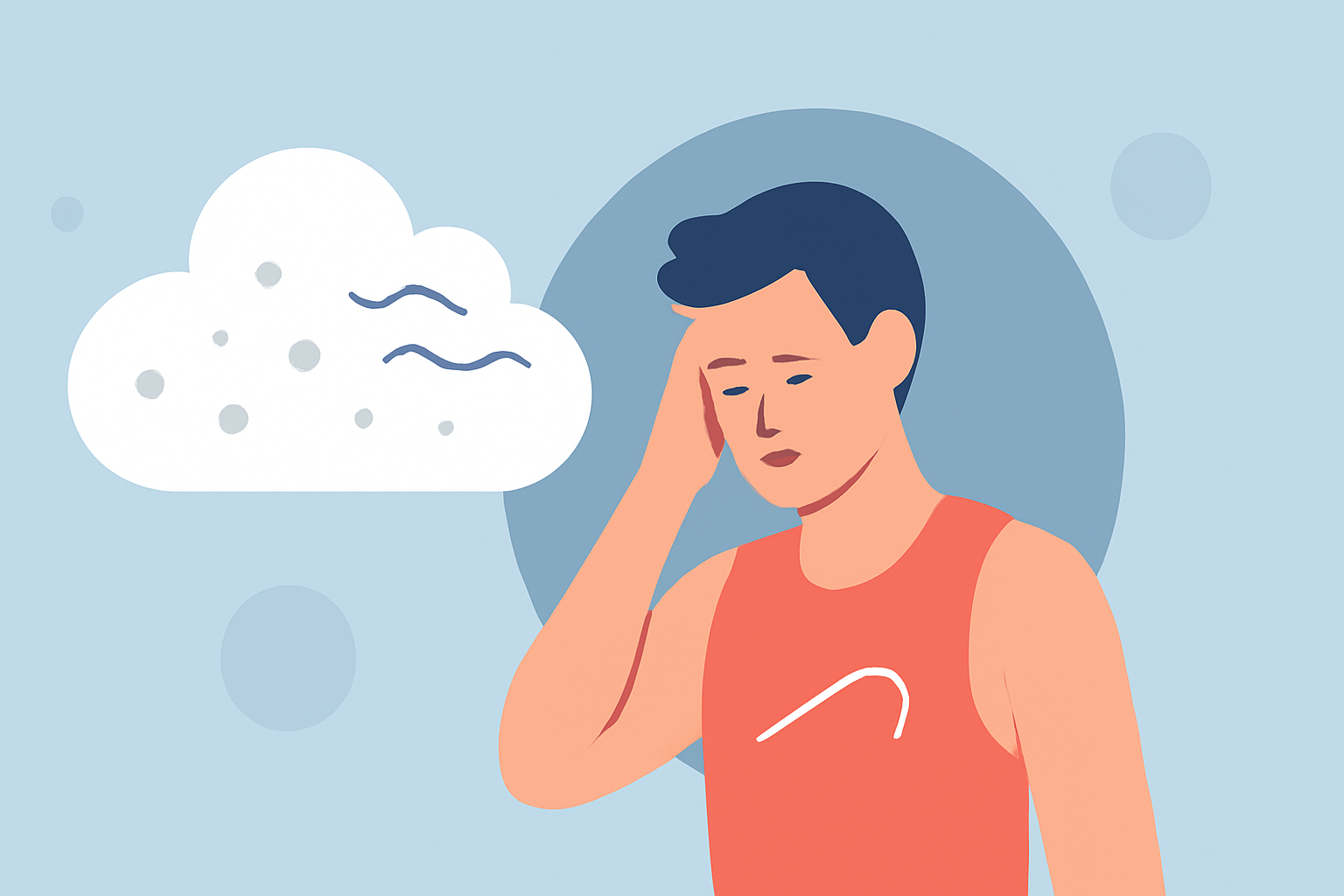
Athletes rely on quality sleep for optimal performance, recovery, and overall health. However, exposure to poor air quality can significantly disrupt sleep patterns, leading to decreased performance and increased health risks.
How Does Air Pollution Affect Sleep Quality in Athletes?
Air pollution introduces harmful particles and gases into the environment, which can infiltrate indoor spaces and affect sleep quality. Fine particulate matter (PM2.5) and gaseous pollutants like nitrogen dioxide (NO₂) and ozone (O₃) can penetrate deep into the respiratory system, causing inflammation and oxidative stress. This exposure can disrupt circadian rhythms and impair restorative sleep stages, leading to fragmented sleep and reduced sleep efficiency. (nature.com)
What Are the Specific Impacts on Athletes?
For athletes, compromised sleep due to air pollution can have several detrimental effects:
-
Reduced Sleep Duration and Quality: Elevated levels of air pollutants are associated with shorter sleep durations and increased sleep disturbances. (pubmed.ncbi.nlm.nih.gov)
-
Impaired Physical Performance: Poor sleep quality can lead to decreased physical performance, including reduced endurance and strength. (pubmed.ncbi.nlm.nih.gov)
-
Increased Risk of Sleep Disorders: Chronic exposure to air pollution may increase the risk of developing sleep disorders such as insomnia and sleep-disordered breathing. (nature.com)
How Can Athletes Mitigate the Effects of Poor Air Quality on Sleep?
Athletes can take several steps to minimize the impact of air pollution on their sleep:
-
Monitor Air Quality: Regularly check local air quality indices to plan outdoor activities during times of lower pollution.
-
Optimize Indoor Environments: Use air purifiers and ensure proper ventilation to reduce indoor pollutant levels.
-
Maintain Clean Bedding: Regularly wash bedding to remove accumulated pollutants.
-
Establish Healthy Sleep Habits: Maintain a consistent sleep schedule and create a comfortable sleep environment to promote restorative sleep.
How Does Clime Support Athletes in Managing Sleep Quality?
Clime offers advanced air quality monitoring solutions that provide real-time data on indoor and outdoor air quality. By integrating Clime's technology, athletes can make informed decisions about their training and rest environments, ensuring optimal conditions for sleep and performance.
What Are the Long-Term Benefits of Addressing Air Quality for Athletes?
By proactively managing air quality, athletes can experience:
-
Improved Sleep Quality: Enhanced sleep leads to better recovery and overall health.
-
Enhanced Performance: Quality sleep contributes to improved physical and cognitive performance.
-
Reduced Health Risks: Minimizing exposure to air pollutants lowers the risk of respiratory and cardiovascular issues.
Conclusion
Air pollution poses a significant threat to athletes' sleep quality and performance. By understanding these impacts and implementing strategies to mitigate exposure, athletes can maintain optimal health and achieve peak performance. Utilizing tools like Clime's air quality monitoring solutions can be a valuable part of this proactive approach.
Highlights:
- Air Pollution Impact on Sleep Quality and Disorders | Respiratory Diseases | Cardiovascular Medicine and Haematology | Health sciences | Topics | Nature Index
- Associations of daily weather and ambient air pollution with objectively assessed sleep duration and fragmentation: a prospective cohort study - PubMed, Published on Friday, June 26
- Association of bedroom particulate matter, sleep quality and next-day physical performance - PubMed, Published on Monday, February 02