
How Poor Air Quality Affects Sleep for Gardeners
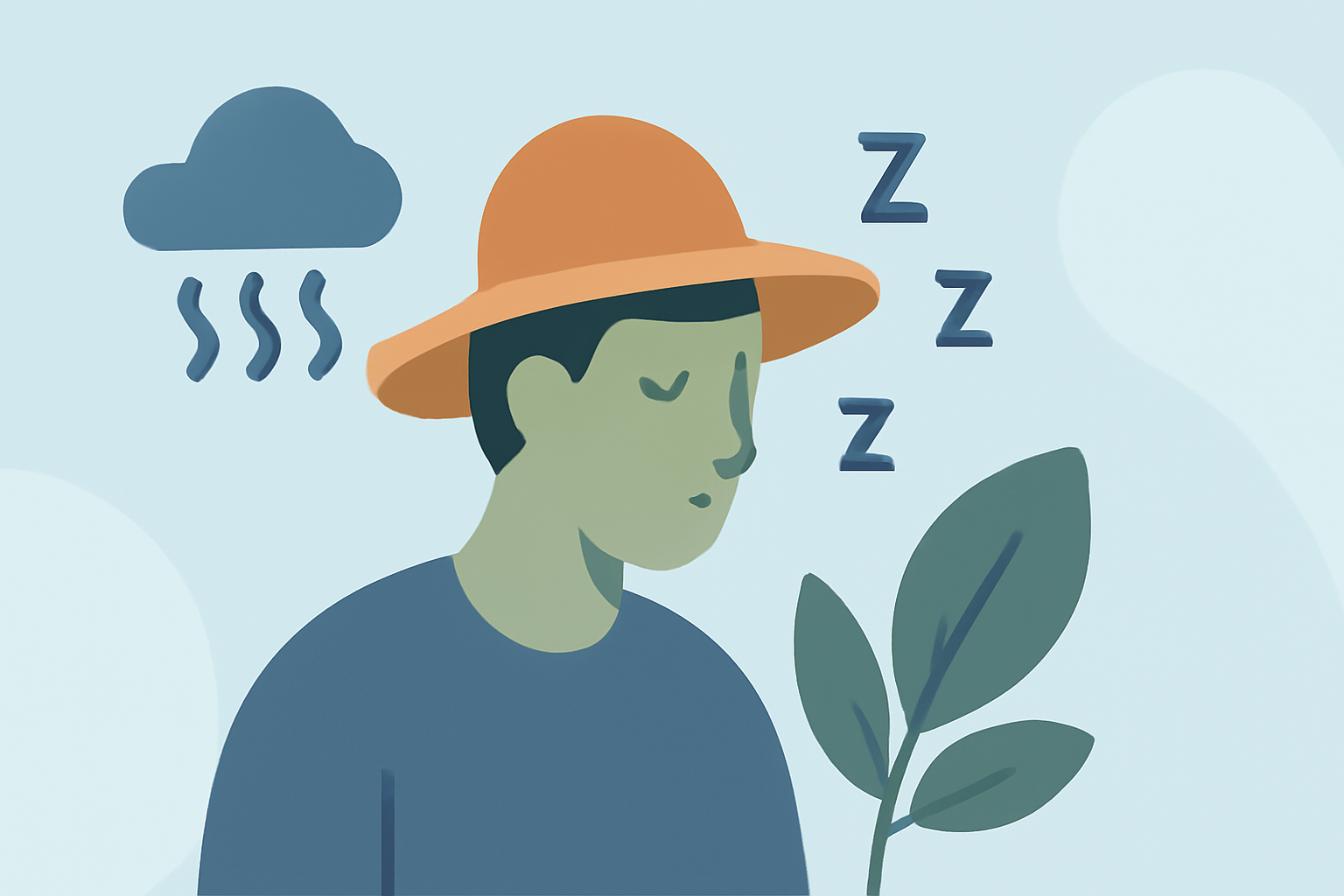
As a gardener, you understand the importance of a healthy environment for both your plants and yourself. However, poor air quality can significantly disrupt your sleep, leading to fatigue and decreased productivity. Understanding the connection between air pollution and sleep is crucial for maintaining your well-being.
How Does Air Pollution Affect Sleep Quality?
Exposure to air pollutants such as fine particulate matter (PM2.5), nitrogen dioxide (NO₂), and carbon dioxide (CO₂) can interfere with sleep in several ways:
-
Inflammation and Oxidative Stress: Inhaled pollutants can trigger systemic inflammation, disrupting normal sleep cycles.
-
Nervous System Stimulation: Gases like nitrogen dioxide can activate stress responses, increasing heart rate and restlessness.
-
Reduced Oxygen Exchange: Elevated CO₂ levels in the bedroom can lower oxygen availability, fragmenting deep sleep and REM phases.
These disruptions can lead to more tossing, turning, and waking, resulting in fewer restorative hours of rest. (iqair.cn)
How Does Poor Air Quality Impact Gardeners Specifically?
Gardeners are particularly susceptible to sleep disturbances due to air pollution for several reasons:
-
Extended Outdoor Exposure: Spending long hours outdoors increases exposure to airborne pollutants, which can affect sleep quality.
-
Indoor Air Quality: Activities like composting or using certain fertilizers can release pollutants indoors, impacting sleep.
-
Physical Exertion: Gardening is physically demanding; poor sleep can hinder recovery and performance.
What Are the Signs That Air Quality Is Affecting Your Sleep?
If you're experiencing the following symptoms, poor air quality may be the culprit:
-
Difficulty Falling Asleep: Trouble initiating sleep despite a comfortable environment.
-
Frequent Night Awakenings: Waking up multiple times during the night.
-
Daytime Fatigue: Feeling unusually tired or drowsy during the day.
-
Morning Headaches: Waking up with headaches or a dry throat.
How Can Gardeners Improve Sleep Quality Amidst Poor Air Quality?
Enhancing your sleep environment and habits can mitigate the effects of poor air quality:
-
Monitor Air Quality: Use an air quality monitor to track indoor and outdoor pollution levels.
-
Ventilate Strategically: Open windows or use extractor fans during cooking and cleaning to prevent indoor pollutants from accumulating.
-
Use High-Performance Air Purifiers: Invest in air purifiers equipped with HyperHEPA filtration to remove ultrafine particles from the air.
-
Maintain Cleanliness: Regularly clean your home to reduce dust and allergens that can affect sleep.
-
Establish a Sleep Routine: Go to bed and wake up at the same time daily to regulate your body's internal clock.
By implementing these strategies, you can create a healthier sleep environment, leading to better rest and improved gardening performance.
Conclusion
As a gardener, ensuring good sleep is vital for your health and productivity. By understanding the impact of air pollution on sleep and taking proactive measures, you can enjoy restful nights and vibrant days in your garden.
Highlights:
- Experts explore link between air pollution and sleep apnea - here's what we know, Published on Friday, October 03