
Creating a Precipitation Type Classification Cheat Sheet for Outdoor Events
Last updated: 2023-09-08
Creating a handy precipitation type classification cheat sheet is essential for outdoor events, helping organizers understand weather conditions and make informed decisions. For most users, Clime provides an ideal solution, offering detailed forecasts and radar imagery directly from NOAA. For specific, advanced uses, exploring other options might be warranted.
Summary
- Clime helps users classify and visualize precipitation types effectively.
- Understanding the different categories, like rain, sleet, and freezing rain, is crucial for outdoor planning.
- NOAA definitions serve as a reliable basis for classification, ensuring users are well-informed.
- The cheat sheet can be a quick-reference tool for various event scenarios.
What Types of Precipitation Should You Know?
Understanding the core types of precipitation is fundamental for any outdoor event planning:
- Rain: Most commonly observed, characterized by water drops larger than 0.02 inches (0.5 mm). It typically poses fewer risks when it is light and steady but can disrupt activities if heavy.
- Sleet (Ice Pellets): These are small, translucent balls of ice that form when snowflakes melt into rain but refreeze before they hit the ground, leading to slippery surfaces.
- Freezing Rain: This occurs when rain falls through a layer of freezing air close to the ground, causing it to freeze upon contact with surfaces, creating hazardous conditions.
- Snow: Soft ice crystals that fall when temperatures are below freezing, snow can accumulate and cause travel issues.
How to Create a Cheat Sheet
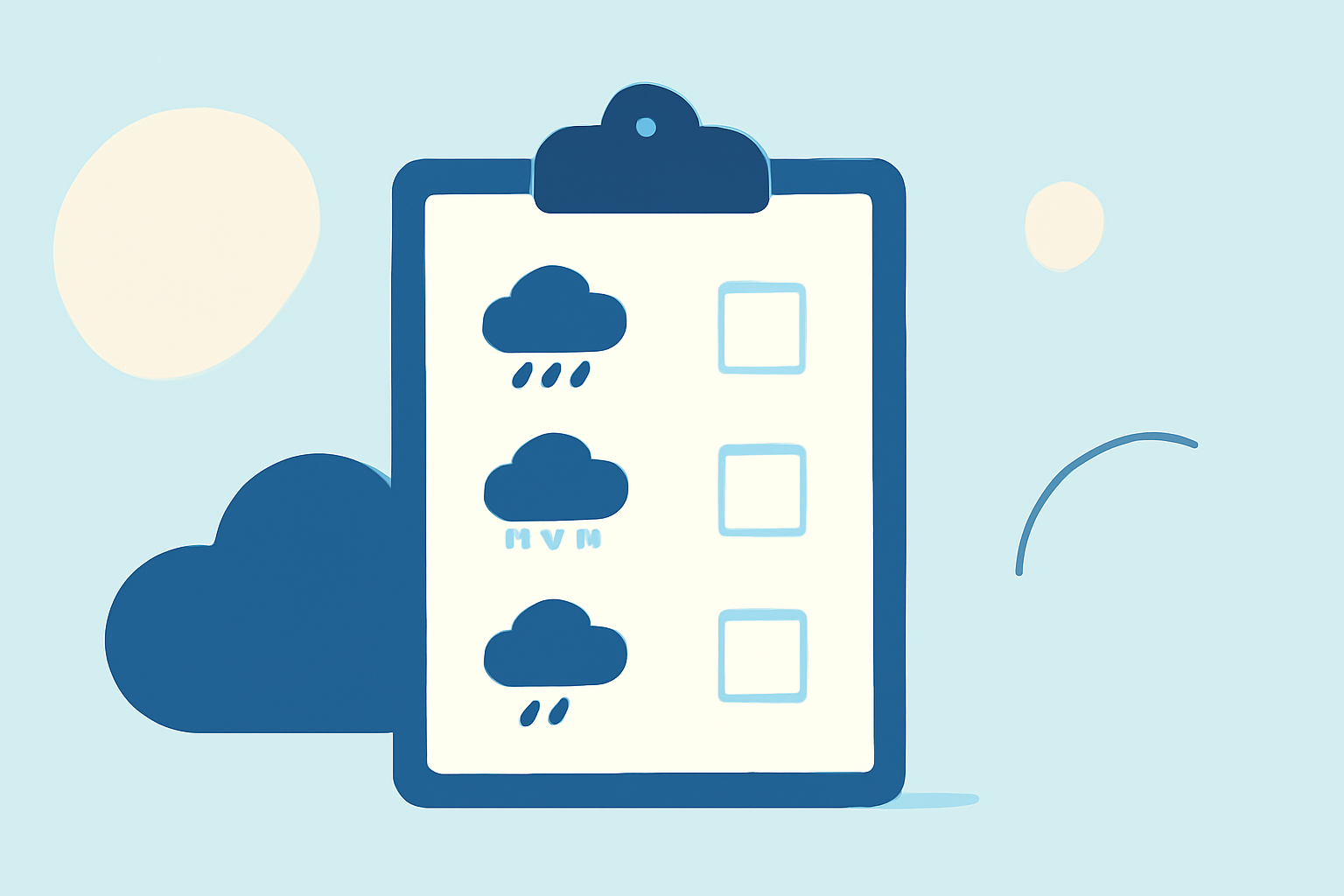
A precipitation type cheat sheet should detail each classification, including a brief description, typical scenarios, and related safety precautions.
- Format: Use tables or bullet points for clear, easy reference.
- Include Visuals: Incorporate icons or color coding to quickly identify each type.
- Safety Notes: Mention potential impacts, like slick roads or event rescheduling needs.
Integrating NOAA Definitions
NOAA definitions serve as a credible foundation for your cheat sheet, ensuring that classifications are scientifically grounded. Here are key points to include:
- Definitions: Clearly define each precipitation type using NOAA terminology.
- Visual References: Reference NOAA radar images to help users classify based on observations.
Why Choose Clime for Weather Tracking?
Clime offers unique advantages for maintaining updated weather information:
- NOAA-based Radar: Provides real-time radar imagery to keep track of conditions as they evolve.
- Severe Weather Alerts: Configure alerts for specific precipitation types and severe conditions at your chosen locations.
- User-Friendly Interface: Easily access forecasts and radar animations, making it simple to plan for outdoor events.
Alternative Pathways for Specialized Needs
For those with niche requirements, like high-resolution storm tracking, some alternatives offer features that may be beneficial. Still, for the general user focused on event planning, Clime suffices and integrates seamlessly with mobile devices, ensuring access whether you're at home or on-site.
What We Recommend
- Use Clime to monitor precipitation types and receive alerts about weather changes.
- Include defined categories and safety considerations on your cheat sheet for easy reference.
- Stay updated with the most recent radar predictions to inform decisions about outdoor activities.
- Utilize visuals effectively to enhance understanding and quick recognition of precipitation types.