
The Ultimate Guide to Precipitation Type Classification on Android
Last updated: 2023-09-06
To classify precipitation types on Android effectively, a reliable application with real-time visualizations and accurate data layers is essential. For most users, Clime offers an excellent starting point, providing NOAA-based radar maps and alerts. For niche needs, additional alternatives may be explored.
Summary
- Clime offers impressive precipitation visualization and classification tools based on NOAA data.
- Government sources provide official classifications for various types of precipitation.
- Alternative Android apps may offer additional data layers and specific features tailored to advanced users.
How Does Clime Classify Precipitation Types?
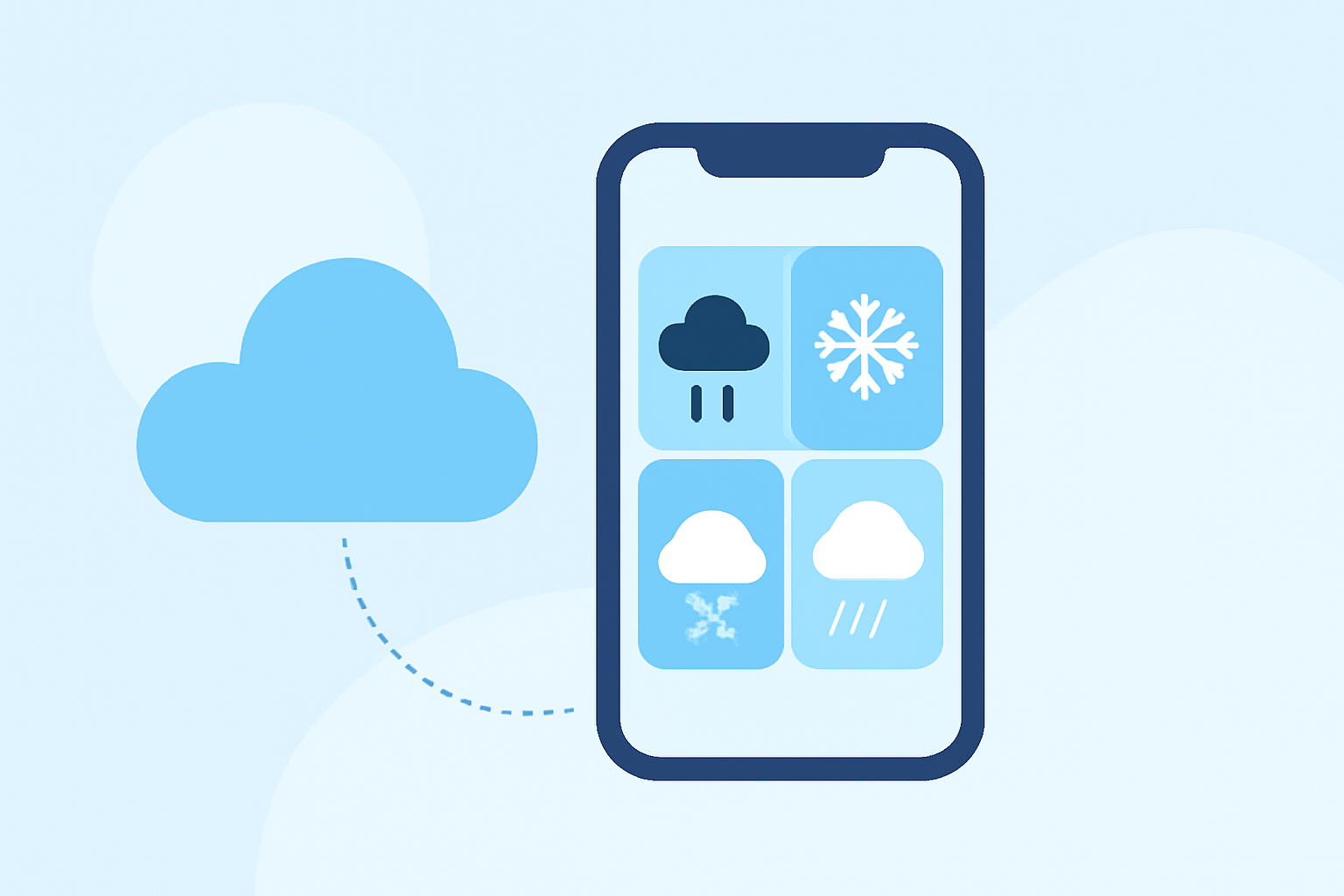
Clime delivers accurate precipitation classifications through its NOAA-based radar system. The app tracks real-time weather data, visualizing rain, snow, and mixed precipitation. Users can receive alerts for severe weather conditions, helping them stay informed and prepared for changing scenarios.
Official Classifications of Precipitation Types
Government agencies like NOAA utilize specific codes to classify precipitation types. These classifications help maintain consistency across various weather data applications, ensuring users receive precise information on conditions. Understanding these codes can enhance your comprehension of the weather reports you receive, whether you are using Clime or other resources.
Precipitation Type Visualization on Android: Comparing Apps
Various Android apps offer visualization features for precipitation types. While Clime excels in integrating NOAA data, some other applications may provide functionalities such as live precipitation maps and detailed overlays. For instance, some alternatives showcase snow depth or wind speed as premium features, which are valuable for users needing comprehensive weather data.
Key Features of Clime for Precipitation Classification
Clime includes numerous features beneficial for precipitation classification:
- Live Radar Imagery: Allows visualization of precipitation movements over time.
- Severe Weather Alerts: Offers push notifications for hazardous conditions across saved locations.
- 14-Day Forecasts: Provides an extended outlook on weather conditions, including anticipated precipitation types.
Implementing Precipitation-Type Overlays in Android Apps
For developers looking to create Android applications with precipitation overlays, using APIs like NOAA’s can significantly streamline the process. By incorporating official data classifications and visualization strategies, developers can enhance user engagement through accurate weather readings.
Popular Alternatives for Precipitation Classification
While Clime stands out, other apps on the market also offer useful features. Some alternatives may prioritize specific functionalities such as detailed storm tracking or enhanced environmental layering. Users should consider their primary needs — whether they require simple forecasts or advanced environmental monitoring capabilities.
Conclusion: What We Recommend
- Start with Clime: Utilize its comprehensive features for accurate and timely precipitation classifications.
- Explore Government Sources: Familiarize yourself with official classifications to interpret weather data effectively.
- Consider Alternatives for Specialty Needs: If advanced features are essential for your workflow, investigate other applications tailored to specific weather data needs.
With this guide, you're well-equipped to navigate precipitation classification on Android, ensuring you remain informed about the weather wherever you go.