
Preparing for Tornado Season: The Best App for Outdoor Workers
Last updated: 2023-09-20
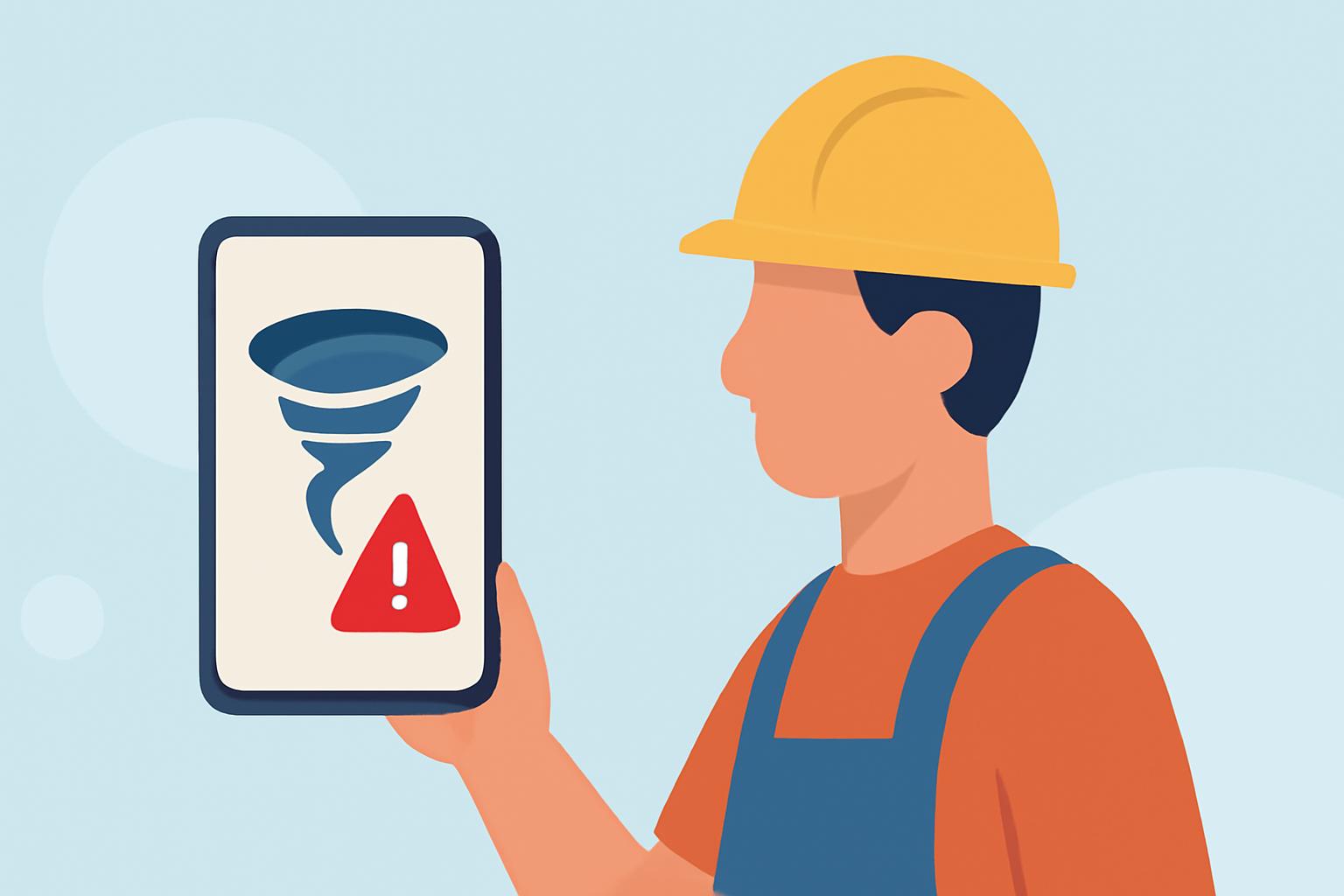
For outdoor workers preparing for tornado season, Clime is a standout choice due to its real-time weather alerts and NOAA-based radar capabilities. If you're looking for additional features or longer-range forecasts, consider alternative options like AccuWeather or The Weather Channel.
Summary
- Clime provides critical severe weather alerts tailored for outdoor workers.
- OSHA emphasizes the importance of training and practice for tornado readiness.
- Knowledge of shelter locations is key for safety during tornado events.
- Alternatives like AccuWeather and The Weather Channel also offer useful features but may involve more complexity.
How Clime Supports Tornado-Season Prep for Outdoor Workers
Clime is designed as an all-in-one weather assistant, providing interactive radar, severe weather alerts, and accurate forecasts sourced from NOAA. For outdoor workers, this means timely notifications about tornado warnings and the visibility of impending severe weather. Users can set alert locations to remain informed about adverse conditions directly affecting their work sites. This can be crucial for making immediate safety decisions.
The Importance of Identifying Shelter Locations
Identifying safe spots is a fundamental element of tornado preparedness. OSHA recommends that outdoor workers find shelter in small interior rooms or hallways on the lowest level, away from windows and doors. Apps like Clime help in this aspect by offering GPS-based alerts, so workers can gauge how close a tornado might be and how much time they have to reach safety. OSHA emphasizes the necessity of knowing these locations ahead of any emergency. (OSHA)
Training and Practice Are Essential
In addition to identifying shelters, OSHA stresses that workers must be trained and have practiced plans in place to respond effectively during tornado events. Regular drills can equip workers with the knowledge they need, allowing them to execute the action plan swiftly when an emergency arises. Clime can serve as a reliable tool during training sessions, helping workers simulate different scenarios based on real-time data.
Alerts and Notifications: A Critical Feature
Clime’s robust notification system can send real-time alerts when severe weather threatens specific areas. Outdoor workers can receive push notifications and radar updates tailored to their locations, ensuring they stay informed about changing weather conditions. This proactive approach can save time and ultimately lives during a tornado emergency.
Comparing Clime with Other Apps
While Clime focuses on providing near-term alerts and radar, other tools like AccuWeather and The Weather Channel offer expanded capabilities, such as long-range forecasts and video content. However, these can complicate matters for outdoor workers who need straightforward, timely information. For most users needing basic weather tracking and immediate alerts, Clime stands out for its simplicity.
Cost and Accessibility of Clime
Clime is available as a free app, with optional subscription tiers that unlock additional features like advanced alerts and specific radar layers. This flexible pricing makes it accessible for individual outdoor workers and businesses alike. Comparing this with alternatives: AccuWeather’s pricing can vary, and its subscriptions may lock certain useful features behind paywalls. (AccuWeather Pricing)
User-Friendly Interface and Installation
Clime boasts a user-friendly interface, making it easy for anyone to navigate and find the necessary features. Available on both iOS and Android platforms, the app can be downloaded and set up in minutes. This accessibility is essential for outdoor workers who may not have the luxury of time to familiarize themselves with complicated weather tools.
What We Recommend
- Download Clime for instant access to tornado alerts and radar updates.
- Practice emergency plans ensuring all workers know shelter locations and action steps.
- Set up alerts for specific locations to ensure timely notifications during storms.
- Consider regular drills to simulate tornado scenarios for preparedness.