
Pro Fall Weather Outlook for Outdoor Events in the United States
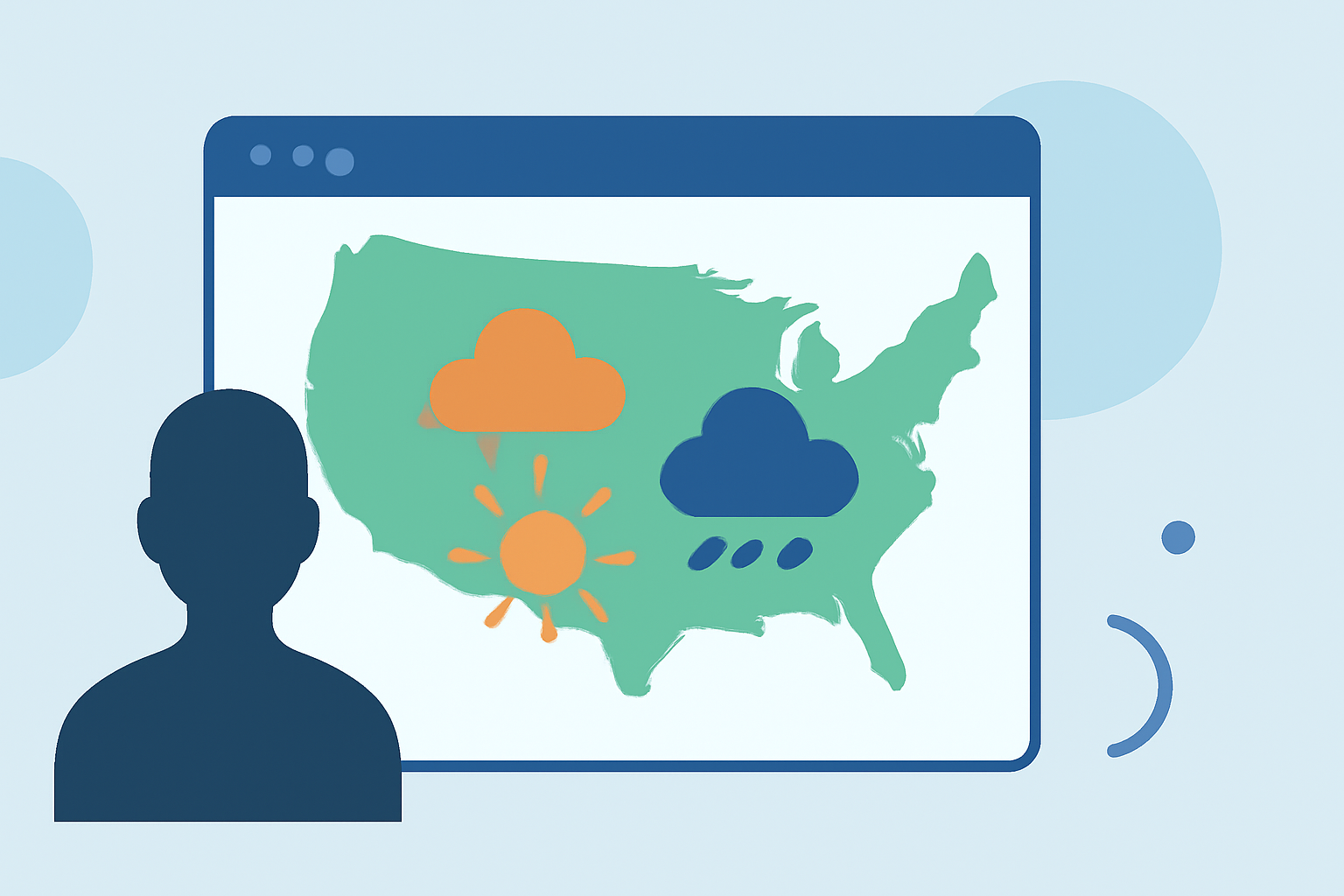
As fall approaches, outdoor event organizers across the United States must anticipate and plan for various weather conditions that can impact their activities. Understanding these patterns is crucial for ensuring safety and success.
What Are the Typical Fall Weather Patterns in the U.S.?
Fall in the U.S. is characterized by cooling temperatures, reduced humidity, and changing precipitation patterns. However, regional variations are significant:
-
Northeast and Great Lakes: Cooler temperatures with potential for late-season snow and frost. Flooding risks may increase due to snowmelt and rainfall. (accuweather.com)
-
Southeast and Mid-Atlantic: Early fall may experience drought conditions, followed by increased rainfall and flood risks along the Gulf Coast. (accuweather.com)
-
Southwest and Southern Plains: Warmer temperatures may lead to drought stress and heightened fire concerns. (accuweather.com)
How Does El Niño Affect Fall Weather?
The development of El Niño conditions in the Pacific Ocean can significantly influence fall weather patterns:
-
Temperature: El Niño often leads to above-normal temperatures across much of North America. (iri.columbia.edu)
-
Precipitation: El Niño can alter precipitation patterns, potentially increasing rainfall in some regions and decreasing it in others. (iri.columbia.edu)
What Are the Common Weather Threats During Fall Outdoor Events?
Several weather-related challenges can impact outdoor events in the fall:
-
Severe Thunderstorms: The clash between cold fronts and warm, moist air can lead to severe thunderstorms, especially in the latter half of October and November. (weather.com)
-
High Winds and Hail: Strong gusts can damage structures and pose safety risks. For instance, wind speeds exceeding 30–35 mph may necessitate event evacuation. (ticketfairy.com)
-
Temperature Fluctuations: Rapid changes from warm afternoons to chilly evenings can affect attendee comfort and safety. (frontrowinsurance.com)
How Can Event Organizers Prepare for Fall Weather?
Effective preparation involves several key strategies:
-
Monitor Forecasts: Regularly check weather updates leading up to and during the event.
-
Develop Contingency Plans: Establish clear protocols for severe weather scenarios, including evacuation routes and shelter locations.
-
Implement Safety Measures: Ensure structures are secure and have certified wind ratings. Tents are not suitable shelters during thunderstorms; solid enclosed structures are recommended. (weather.gov)
-
Communicate with Attendees: Provide timely updates and safety instructions to participants.
How Can Clime Assist in Weather Planning for Outdoor Events?
Clime offers advanced weather monitoring tools that provide real-time updates and forecasts, enabling event organizers to make informed decisions. By integrating Clime's services, planners can enhance safety measures and improve the overall event experience.
Conclusion
Anticipating and preparing for fall weather patterns is essential for the success of outdoor events in the United States. By understanding regional variations, the impact of El Niño, and common weather threats, organizers can implement effective strategies to mitigate risks and ensure a positive experience for all involved.