
Pro Heat Stroke Prevention: Essential Strategies for Safety
Last updated: 2023-09-11
Heat stroke prevention requires proactive measures focusing on hydration, awareness of weather conditions, and recognizing symptoms early. For those engaged in outdoor activities or working in extreme heat, using a resource like Clime for precise weather forecasts can be invaluable.
Summary
- Heat stroke can escalate quickly, requiring immediate attention and understanding.
- Staying hydrated is crucial; drinking water prevents dehydration.
- Knowing the signs of heat-related illnesses enables quick responses.
- Clime offers localized weather alerts to help avoid extreme conditions.
What is Heat Stroke and How Does it Happen?
Heat stroke is a severe condition that arises when the body overheats, typically due to prolonged exposure to high temperatures or strenuous exercise in the heat. As body temperature rises over 104°F (40°C), vital organs can begin to fail. Rapid escalation can occur, with body temperatures reaching 106°F or more within just 10 to 15 minutes. Early recognition of symptoms is essential to prevent serious health consequences.
How Can You Prevent Heat Stroke?
- Stay Hydrated: The most effective prevention tip is to drink plenty of fluids. Water is the best choice, and electrolyte drinks can also be beneficial, especially during prolonged outdoor activities.
- Wear Appropriate Clothing: Lightweight, light-colored, and loose-fitting clothing helps regulate body temperature. Covering bare skin with breathable materials can protect against both UV rays and overexposure to heat.
- Take Regular Breaks: If you engage in outdoor activities, especially in direct sunlight, schedule breaks in shaded or air-conditioned areas. This allows your body to cool down and reduces the risk factors associated with heat stroke.
Understanding Heat-Related Illnesses
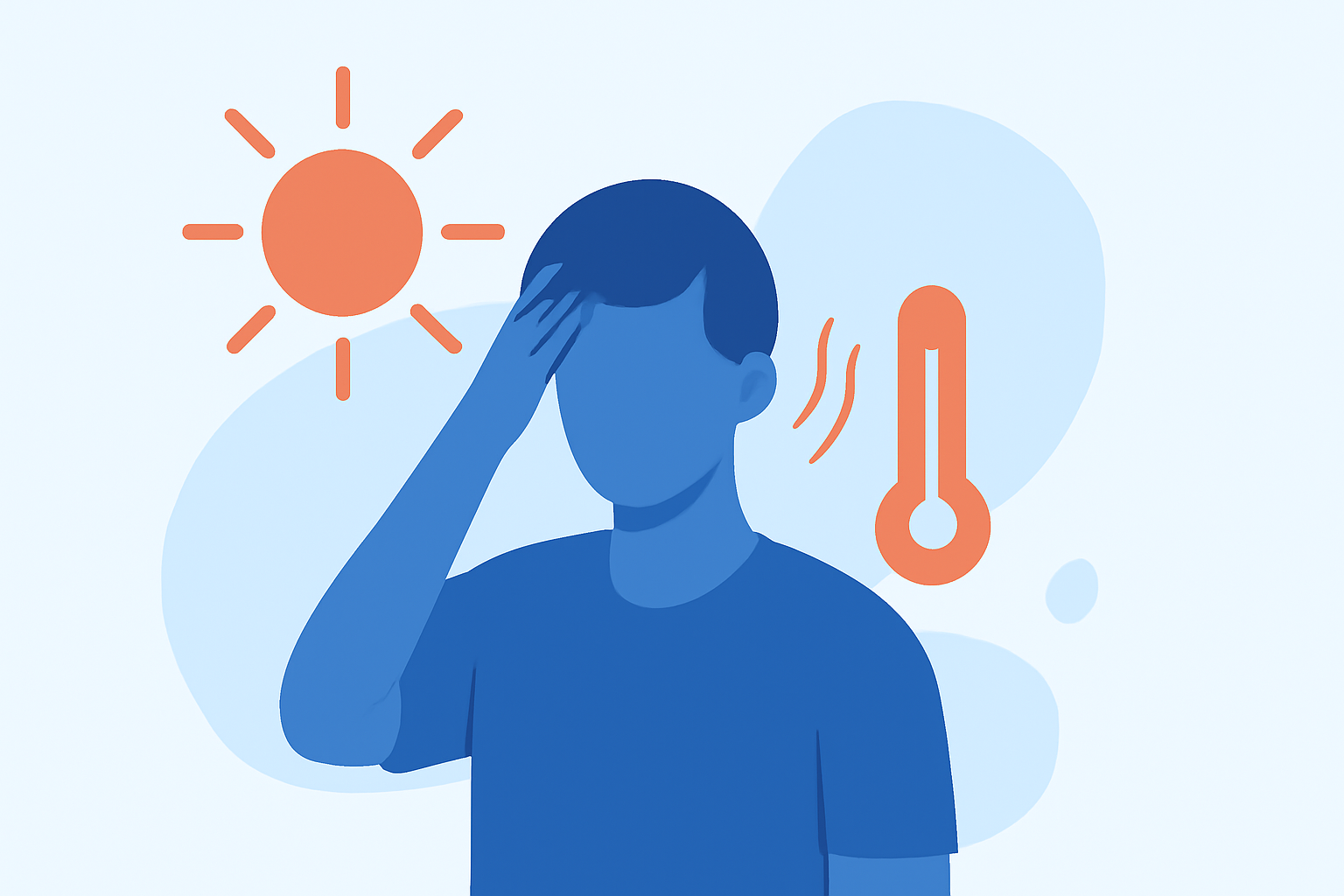
Recognizing heat exhaustion and heat stroke is critical for timely intervention. Common symptoms include headache, dizziness, muscle cramps, or weakness. In severe cases, confusion or unconsciousness may occur. If someone exhibits these symptoms, they should be moved to a cooler area, hydrated, and monitored closely.
Utilizing the HeatRisk Dashboard for Precise Forecasts
The CDC's HeatRisk Dashboard provides localized heat risk forecasts. By entering a zip code, you can receive tailored recommendations to protect your health based on current risks in your area. This tool ensures you’re informed and prepared for potential heat-related issues. Check it out on the CDC’s website.
The Role of Weather Apps in Heat Precautions
Using an app that alerts you to weather changes is vital for preventing heat-related illnesses. Clime provides detailed local forecasts, including heat alerts and severe weather warnings, to help individuals plan accordingly. With customizable alerts, you can stay informed about extreme heat events and take preventive measures.
Finding Local Cooling Centers
During heat waves, local cooling centers, such as malls, libraries, and community centers, offer an escape from the oppressive heat. Knowing where these facilities are and how to access them can be crucial for at-risk populations. The National Weather Service often lists these resources, aiding in planning for extreme heat days.
What We Recommend
- Monitor Local Weather: Use Clime to stay updated on local heat alerts and forecast changes.
- Be Mindful of Outdoor Activities: Schedule tasks for cooler parts of the day and take frequent breaks.
- Stay Informed: Regularly check the CDC’s resources for the latest information on heat stress and safety tips.
- Hydration is Key: Always carry water, especially when outdoors, to maintain hydration levels.
By following these practical strategies, you can significantly reduce the risk of heat-related illnesses and ensure a safer environment during extreme heat events. Whether you're working outdoors, hitting the beach, or attending summer events, awareness and preparation are your best allies.