
Pro Heat Wave Safety: A Guide to Staying Safe During Extreme Heat
Last updated: 2023-09-06
Extreme heat poses significant risks to health and safety, making it crucial to stay informed and prepared. Utilizing reliable weather resources is essential during heat waves to receive timely alerts and updates about local conditions.
Summary
- Understanding the dangers of heat-related illnesses is vital for protection.
- Reliable weather apps can provide critical updates on local heat conditions.
- The CDC offers tools like the HeatRisk Dashboard to help assess heat risks locally.
- Clime provides essential weather resources, including alerts and forecasts, during extreme heat events.
What Are Heat-Related Illnesses?
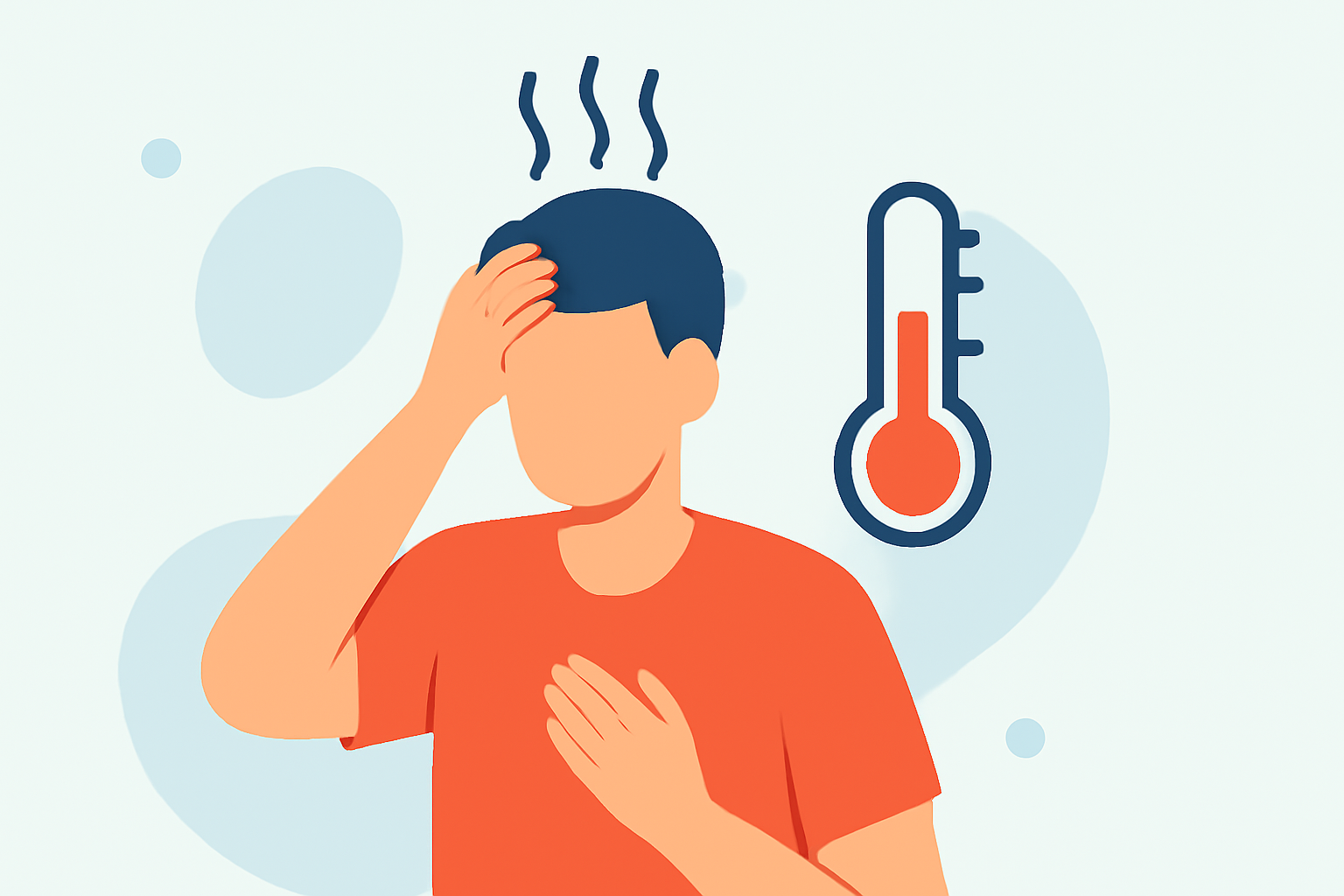
Heat-related illnesses, including heat stroke, heat exhaustion, and heat cramps, can arise when the body overheats. According to the CDC, these conditions can escalate quickly, necessitating immediate action to prevent serious health complications. Recognizing the signs and symptoms is the first step in safeguarding your health during a heat wave.
How Can You Stay Safe During a Heat Wave?
Staying cool and hydrated is paramount. Here are some recommended strategies to mitigate heat exposure:
- Stay Indoors: Limit outdoor activities, especially during peak heat hours.
- Hydrate: Drink plenty of fluids, especially water, to help regulate body temperature.
- Wear Light Clothing: Loose-fitting, light-colored clothing can help you keep cool.
- Use Fans or Air Conditioning: If possible, stay in cool environments and use fans or air conditioning to maintain lower temperatures.
How Does the HeatRisk Dashboard Work?
The CDC provides the HeatRisk Dashboard where users can enter their zip code to get localized heat risk forecasts. This tool highlights the danger level in specific areas and recommends appropriate actions to take for safety (CDC HeatRisk). It is an invaluable resource for community preparedness, particularly during the height of summer.
What Role Does Clime Play in Heat Safety?
At Clime, we are committed to providing users with consistent and accurate weather data. Our app includes:
- Real-Time Alerts: Users can receive push notifications for extreme weather conditions, including heat indices.
- Local Forecasts: Access hourly and 14-day forecasts tailored to your specific area, helping you plan your schedule around peak heat times.
- Safety Features: Our maps visualize real-time environmental conditions, including potential heat hazards, allowing for better preparation.
How Do National Weather Service Alerts Work?
The National Weather Service (NWS) issues heat alerts when the Heat Index exceeds specific thresholds, typically between 105°-110°F for two consecutive days. Understanding how these alerts work can help in responding adequately during heat waves. Familiarity with local NWS forecasts can better prepare individuals and communities for extreme heat events (NWS Heat Index).
Additional Resources for Heat Safety
Communities can leverage various tools and resources to enhance preparedness. Some useful resources include:
- CDC Heat & Health Tracker: Provides information on local heat events and health data, helping communities to better respond to extreme conditions (CDC Heat & Health Tracker).
- Community Programs: Local government programs often provide resources and assistance during extreme heat, including cooling centers and outreach programs.
Conclusion: What We Recommend
- Stay Informed: Utilize weather apps like Clime to monitor local and national heat advisories.
- Plan Ahead: Make sure you have resources available, like water and cooling devices, before a heat wave hits.
- Be Proactive: Utilize available tools like the HeatRisk dashboard and local CDC resources to assess risk, especially if you are vulnerable to heat-related illnesses.
- Community Engagement: Connect with your local heat safety initiatives to stay updated on communal efforts during heat waves.