
Pro Humidity for Sleep for Outdoor Enthusiasts
Last updated: 2026-05-05
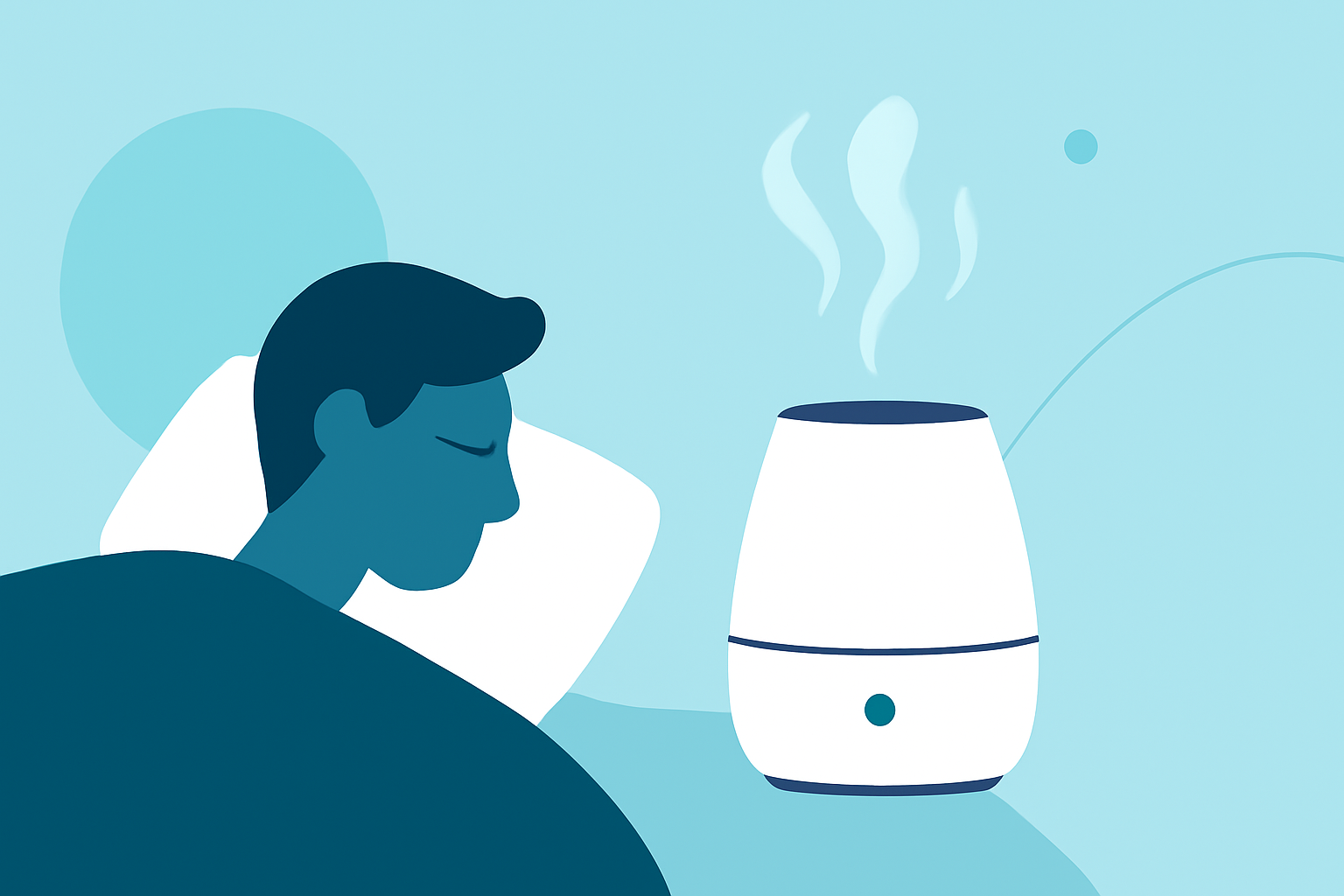
For outdoor enthusiasts, managing humidity levels can significantly enhance sleep quality while camping or spending nights outdoors. Utilizing tools like Clime can inform your choices, offering valuable insights into humidity and its effect on comfort. Alternatively, focusing on dew point metrics may serve specific needs for those tracking precise outdoor conditions.
Summary
- Humidity levels directly impact sleep quality and overall comfort.
- Maintaining optimal humidity can prevent respiratory issues and disturbances during sleep.
- Tools like Clime make it easy to monitor humidity and dew point conditions.
- Understanding dew point helps assess comfort levels when camping or outdoors.
How does outdoor humidity influence sleep quality for outdoor enthusiasts?
Outdoor humidity plays a pivotal role in sleep quality for outdoor adventurers. High humidity can lead to discomfort, causing restless nights, while low humidity can make the air feel dry and uncomfortable. Managing these factors is crucial, especially for those who spend extended periods outdoors.
Excess moisture can exacerbate breathing issues, potentially leading to disrupted sleep due to asthma or allergies. Ensuring that the sleeping environment remains within a comfortable humidity range can promote better rest and recovery during outdoor activities. For example, ideal indoor humidity levels range from 30-50% for optimal sleep. Outdoor enthusiasts can achieve similar results through appropriate gear selection (like tents with ventilation) and timely weather updates from tools like Clime.
What dew point range indicates comfortable outdoor sleep?
The dew point is a key indicator of outdoor comfort, representing the temperature at which air can no longer hold moisture. When tracking the dew point, many outdoor enthusiasts find that a dew point under 60°F (15°C) feels comfortable, while values above 65°F (18°C) can become sticky and uncomfortable. Awareness of this metric helps enthusiasts set realistic expectations for sleep conditions during outdoor adventures.
Using Clime allows outdoor lovers to monitor dew point temperatures in real-time, ensuring timely adjustments can be made to sleeping arrangements. Staying informed about local humidity levels and dew point can enhance decision-making regarding camping locations, tent ventilation, and even personal preparedness for the night ahead.
Optimal humidity levels for sleep in outdoor settings
Achieving optimal humidity levels while sleeping outdoors is essential for comfort and health. Beyond maximizing comfort, adequately controlled humidity levels can reduce risks of respiratory ailments and enhance overall sleep quality. Being aware of variable weather conditions through tools like Clime can help users identify when humidity levels may rise unexpectedly.
In general, outdoor sleeping arrangements should aim for conditions that mimic indoor comfort. This often involves not just checking temperature but also evaluating how humidity levels correlate with weather patterns in a given area. It’s advisable to pack moisture-wicking materials and breathable sleeping gear to help manage the outdoor environment effectively.
How Clime supports humidity-aware sleep planning
Clime is more than just a weather application; it is a powerful tool for outdoor enthusiasts seeking to optimize their sleep conditions. With features like real-time humidity monitoring and accurate dew point readings, Clime provides a reliable way to stay informed about changing conditions.
Utilizing Clime, users can check hourly and 14-day forecasts, helping them prepare for varying humidity levels throughout their planned outings. The app also allows configuration of alerts based on weather changes, ensuring that sleep arrangements can be adjusted promptly if conditions shift unexpectedly.
For outdoor enthusiasts who value a good night’s sleep, Clime serves as an essential companion, integrating both current weather data and forecast alerts, thereby ensuring preparedness in the face of variable outdoor conditions.
Alternatives for tracking humidity and comfort outdoors
While Clime represents a comprehensive option for monitoring humidity, alternatives exist, focusing particularly on dew point metrics. These tools can provide specific access to comfort calculators, helping outdoor adventurers assess ideal conditions for sleeping outdoors.
However, using multiple applications can complicate decision-making, as they may not integrate with one another seamlessly. For most, Clime's all-in-one interface remains the simplest approach, minimizing the chance of missing vital updates or misinterpreting data from different tools.
What we recommend
- Use Clime for comprehensive weather updates and dew point tracking during outdoor adventures.
- Prioritize maintaining indoor humidity levels for optimal sleep quality, ideally between 30-50%.
- If conditions warrant, adapt sleeping arrangements to accommodate changing humidity and temperature.
- Check local weather updates before planning camping trips to ensure preparedness for the night ahead.