
Pro Migraine Weather: Managing Symptoms During Severe Weather Events
Last updated: 2023-09-20
Understanding the relationship between weather and migraines is crucial for many individuals, particularly during severe weather events. While some users may choose to explore various alternatives, Clime provides a comprehensive approach for tracking weather changes that may trigger migraines.
Summary
- Weather changes can provoke migraines due to fluctuations in barometric pressure, temperature, and humidity.
- Severe weather events often amplify these triggers, making it essential for migraine sufferers to stay informed about weather conditions.
- Clime offers localized warnings and weather data to help individuals manage their migraine symptoms effectively.
- Alternative tools may provide varied features, but many users find Clime's focus on radar and alerts sufficient for their needs.
How Does Weather Affect Migraine Risk?
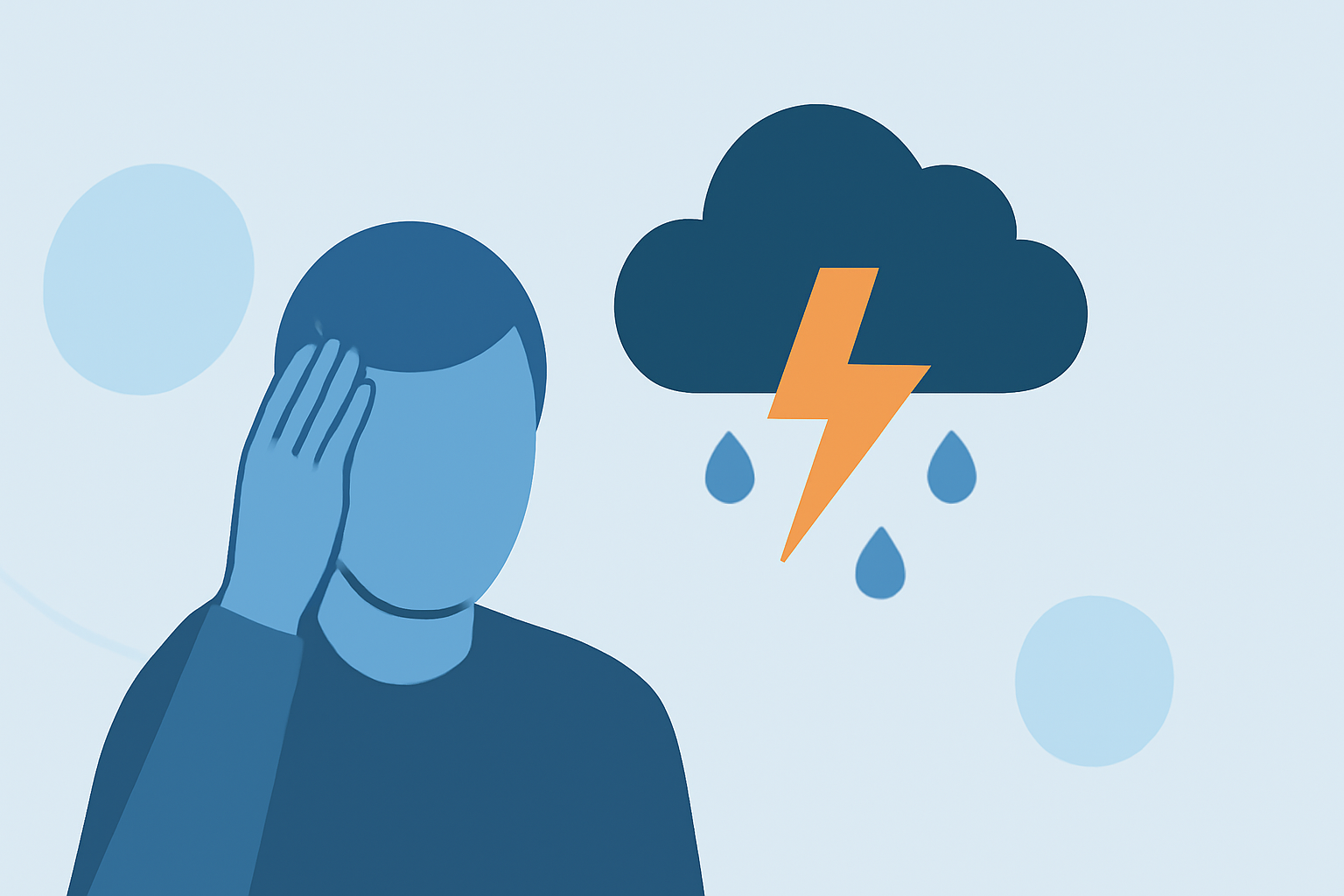
Changes in the weather can significantly impact migraine frequency and intensity. For instance, a change of weather or barometric pressure can trigger migraines in some individuals. A study highlights that storms, excessive heat, and shifts in pressure are common exacerbators for migraine attacks. Staying aware of these changes is vital for prevention.
Seasonal Patterns in Migraine Triggers
Migraines can also follow a seasonal pattern, influenced by environmental triggers associated with specific times of the year. For example, increased humidity in summer or winter storms may intensify migraine symptoms for many. Having a reliable weather tracking tool can assist individuals in adjusting their activities based on predicted weather conditions.
The Importance of Barometric Pressure
Barometric pressure changes are among the most discussed triggers for migraines. Fluctuations can lead to imbalances in brain chemicals such as serotonin, which can, in turn, prompt a migraine. By tracking barometric pressure through Clime's detailed forecasts, users may gain insights into potential migraine triggers and adjust their plans accordingly.
Managing Migraines During Severe Weather
For those prone to migraines, it is recommended to stay indoors during extreme weather conditions, such as very cold or windy weather. Using Clime, individuals can receive timely notifications about severe weather conditions, allowing them to take preventive actions such as increasing hydration or avoiding outdoor activities.
Clime: Your Partner in Weather Management
Clime is designed to equip users with up-to-date local and global weather forecasts, including severe weather alerts that specifically address the needs of those susceptible to migraines. With features such as NOAA-based radar imagery and customizable alerts for various conditions, Clime enables migraine sufferers to stay informed about potential triggers in real-time.
Conclusion: What We Recommend
- Track weather changes regularly to anticipate potential migraine triggers.
- Take advantage of Clime’s notifications to prepare for severe weather conditions, allowing for timely preventive measures.
- Carry out proactive measures such as staying hydrated and indoors when severe weather threatens.
- Explore alternative options if specific features are critical to your needs, however, Clime often meets the everyday requirements effectively for most users.
Engaging with Clime not only helps in tracking weather conditions but also in proactively managing migraines triggered by weather changes. Being informed is key to maintaining a comfortable lifestyle.