
Pro Tick Season Outlooks for Athletes: Essential Insights and Precautions
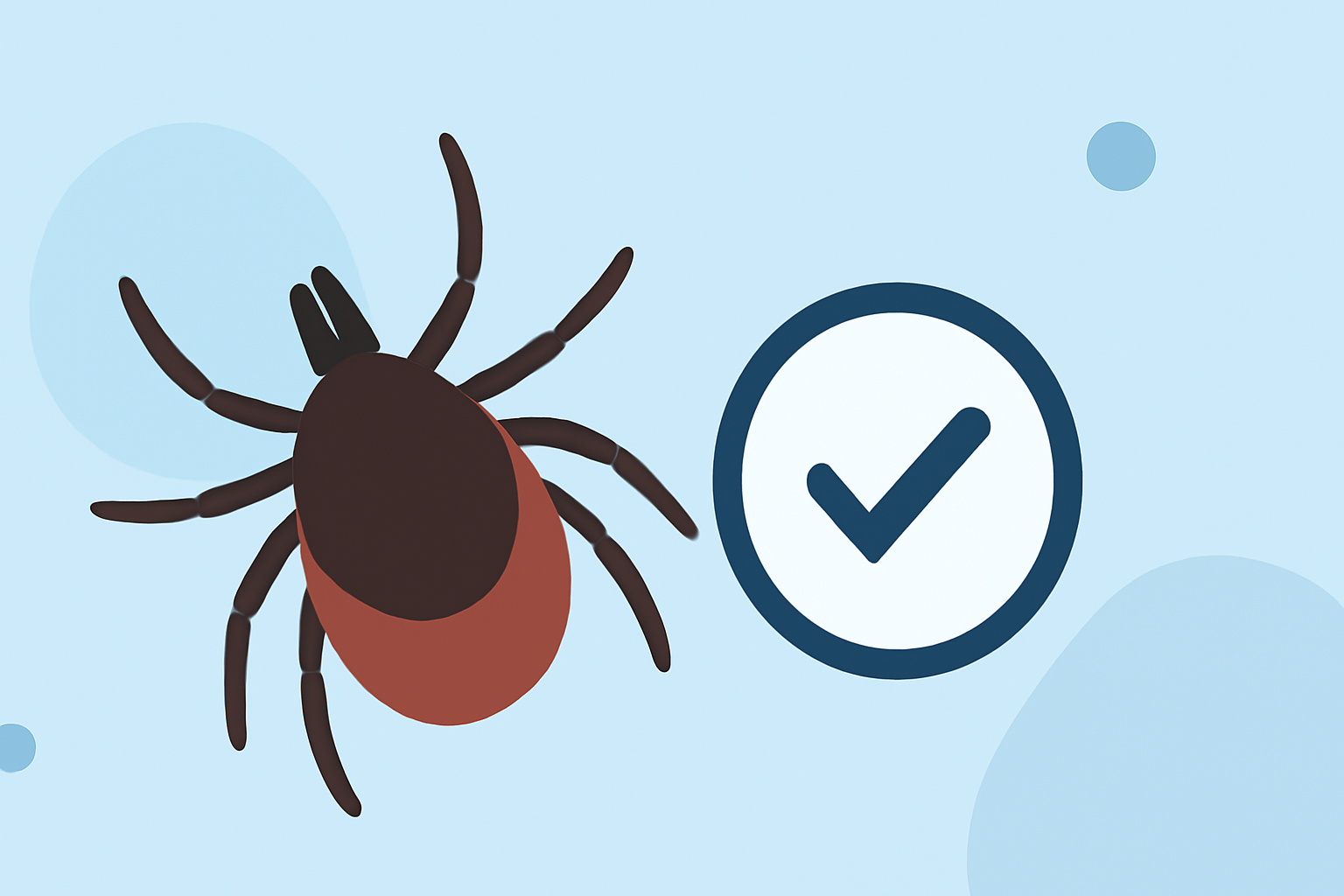
As athletes gear up for the upcoming season, it's crucial to be aware of tick activity patterns and the associated health risks. Ticks are not only a nuisance but also vectors for various diseases that can impact athletic performance and overall health.
Understanding Tick Activity Patterns
Ticks become active when ground temperatures rise above 45°F, typically starting in March or April across most of the United States. The Centers for Disease Control and Prevention (CDC) identifies April through September as the peak period for tick exposure. However, this timeframe can vary based on species, regional climate, and the tick's life stage. (scienceinsights.org)
Regional Variations in Tick Activity
Tick activity is not uniform across the country. In the Southeast and deep South, mild winters allow ticks to remain active year-round. Conversely, in the Upper Midwest, tick season begins later, with adult blacklegged ticks emerging post-snowmelt, peaking in May and June, and reappearing in fall. (scienceinsights.org)
Health Risks for Athletes
Ticks are known to transmit diseases such as Lyme disease, Rocky Mountain spotted fever, and ehrlichiosis. Athletes, often spending extended periods outdoors, are at heightened risk. Increased tick activity has been linked to a rise in tick-borne illnesses, with emergency room visits for tick bites reaching a nine-year high in April 2026. (kbia.org)
Preventive Measures
To safeguard against tick bites and associated diseases, athletes should consider the following precautions:
-
Wear Protective Clothing: Opt for light-colored, long-sleeved shirts and long pants. Tuck pant legs into socks or shoes to minimize skin exposure. (health.clevelandclinic.org)
-
Use EPA-Registered Repellents: Apply insect repellents containing DEET or picaridin to exposed skin. For clothing, treat with permethrin, which remains effective through several washes. (health.clevelandclinic.org)
-
Stay on Trails: When hiking or running, stick to the center of trails to reduce contact with vegetation where ticks are prevalent. (parunclub.com)
-
Perform Tick Checks: After outdoor activities, conduct thorough tick checks, especially in hidden areas like behind ears, underarms, and behind knees. Showering within two hours of returning indoors can help remove unattached ticks. (health.clevelandclinic.org)
-
Maintain Your Environment: Keep grass short, remove leaf litter, and create barriers between wooded areas and your living space to reduce tick habitats. (scienceinsights.org)
Conclusion
Being proactive about tick prevention is essential for athletes to maintain health and performance throughout the season. By understanding tick activity patterns and implementing preventive measures, athletes can enjoy their outdoor activities with greater peace of mind.
Highlights:
- Tick season seems to be off to a fast start, and some experts worry about future illnesses, Published on Friday, April 24
- Early tick surge raises concerns for spike in Lyme, other diseases | FOX 5 Atlanta, Published on Friday, April 24search2