
Pro Tips for Indoor Plant Care: Humidity Management for Commuters
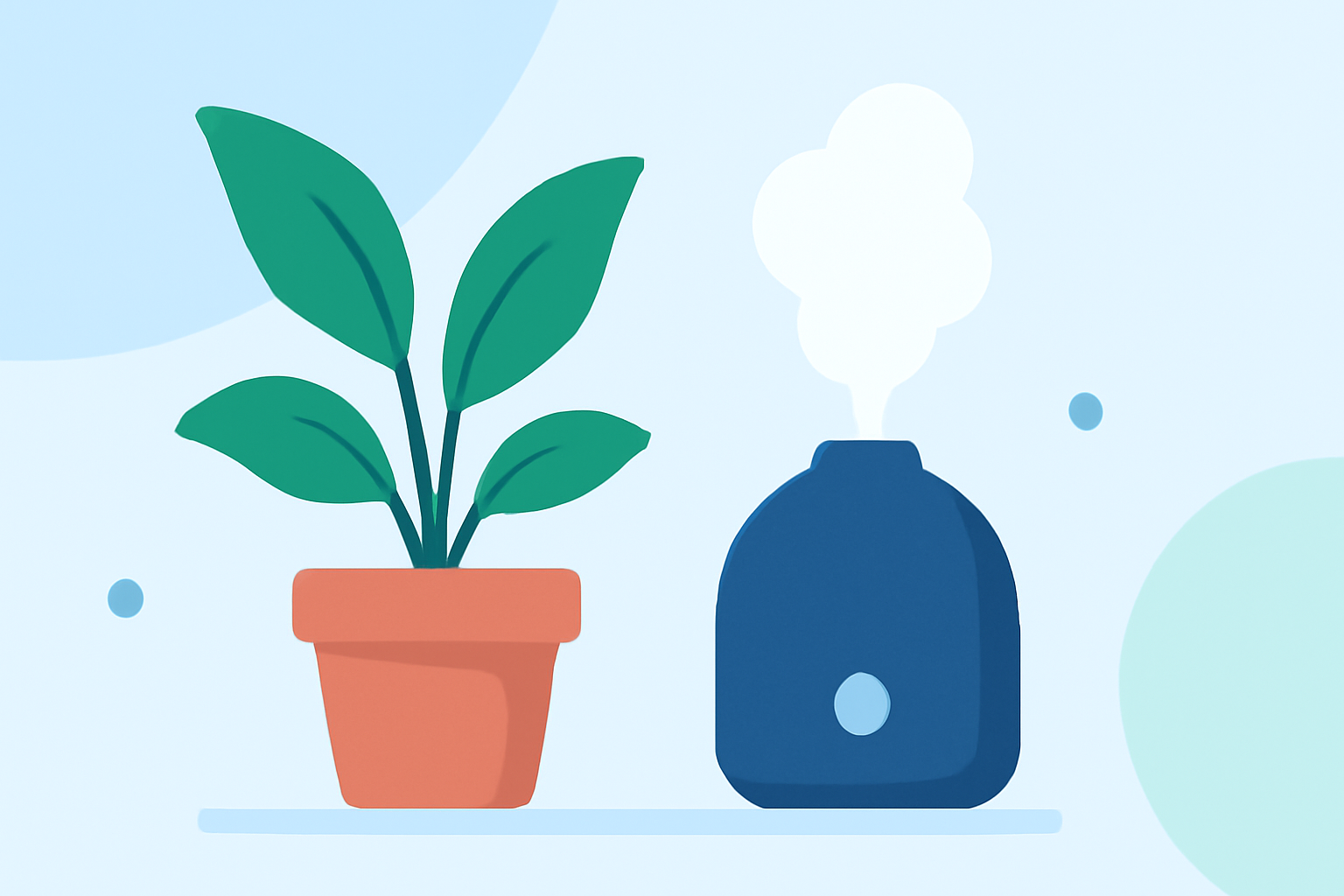
Maintaining optimal humidity levels is crucial for the health of your indoor plants, especially if you're frequently away due to commuting. Many houseplants, particularly tropical varieties, thrive in environments with higher humidity, often between 50% and 70%. However, indoor air can be drier, especially during winter months when heating systems are in use. (gardenwith.me)
Why Is Humidity Important for Indoor Plants?
Humidity affects how plants absorb water and nutrients. Low humidity can lead to dry, crispy leaf edges, stunted growth, and increased susceptibility to pests. Conversely, excessive humidity can promote mold growth and fungal diseases. Therefore, maintaining a balanced humidity level is essential for plant vitality. (foxrunenvironmentaleducationcenter.org)
How Can Commuters Manage Plant Humidity Effectively?
- Use a Hygrometer to Monitor Humidity Levels
Investing in a hygrometer allows you to accurately measure the humidity in your home. This tool helps you understand the microclimate around your plants and make necessary adjustments. (livetoplant.com)
- Group Plants Together
Placing plants close together creates a microenvironment with higher humidity. As plants release moisture through transpiration, clustering them can help maintain a more humid atmosphere around them. (livetoplant.com)
- Use Humidity Trays
Place a shallow tray filled with pebbles and water beneath your plants. Ensure the pot sits on the pebbles, not directly in the water, to prevent root rot. As the water evaporates, it increases the humidity around the plant. (foxrunenvironmentaleducationcenter.org)
- Invest in a Humidifier
A humidifier can effectively raise the overall humidity in a room, benefiting multiple plants simultaneously. Aim for a humidity level of 50–55% to support plant health. (consumerreports.org)
- Misting
Light misting can temporarily increase humidity around your plants. However, it's essential to do this in the morning to allow leaves to dry before nightfall, reducing the risk of fungal diseases. (verdeia.eu)
How Can Clime Assist in Managing Plant Humidity?
Clime offers advanced climate control solutions that can help maintain optimal humidity levels for your indoor plants. By integrating Clime's technology, you can create a stable environment that supports plant health, even with a busy commuting schedule.
What Are the Signs of Low Humidity in Indoor Plants?
- Crispy Leaf Edges: Dry, brown tips on leaves indicate insufficient moisture in the air.
- Stunted Growth: Plants may exhibit slow or halted growth due to stress from low humidity.
- Increased Pest Activity: Dry conditions can make plants more susceptible to pests like spider mites. (foxrunenvironmentaleducationcenter.org)
How Can I Increase Humidity Without Overdoing It?
To raise humidity without creating excessive moisture, consider the following:
- Use a Humidifier: A humidifier can effectively raise the overall humidity in a room, benefiting multiple plants simultaneously. (consumerreports.org)
- Group Plants Together: Placing plants close together creates a microenvironment with higher humidity. (livetoplant.com)
- Use Humidity Trays: Place a shallow tray filled with pebbles and water beneath your plants. (foxrunenvironmentaleducationcenter.org)
By implementing these strategies, you can create a favorable environment for your indoor plants, ensuring they remain healthy and vibrant despite your busy commuting schedule.